The Engineer’s Guide: How to Properly Tension a Roller Chain for Maximum Service Life
A visual estimate of chain slack is not a maintenance protocol; it is a recipe for catastrophic drive failure. You know the frustration of a snapped chain halting production during a critical shift because tensioning standards vary between technicians. We understand that inconsistent maintenance leads to excessive downtime and increased energy consumption through unnecessary friction. This guide explains how to properly tension a roller chain using a repeatable, engineering-focused framework that eliminates guesswork.
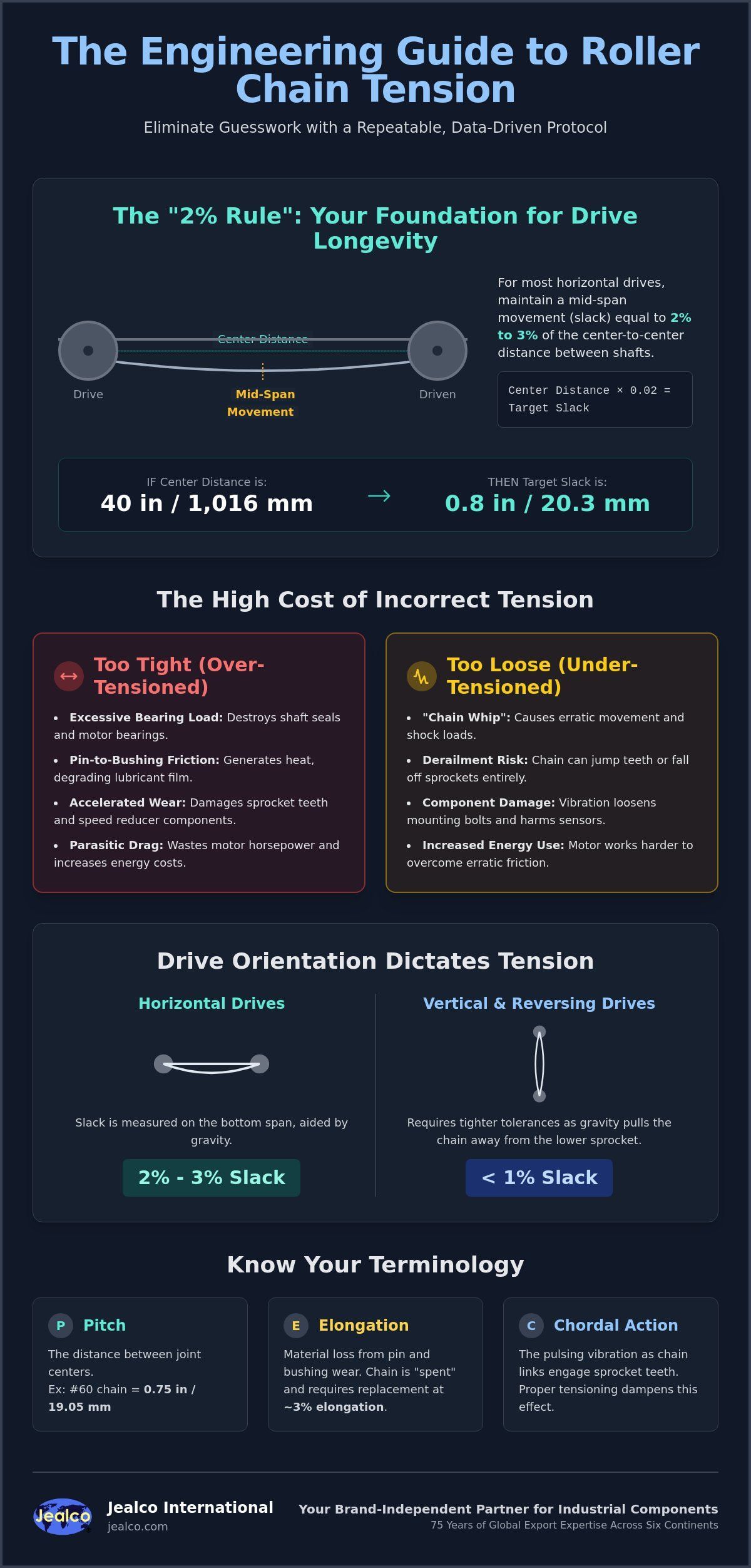
Chain manufacturers generally specify a mid-span movement of 2% to 3% of the center distance for horizontal drives. For a drive with a 40 inch / 1,016 mm center distance, this equates to roughly 0.8 inches / 20.3 mm of total movement. We'll walk you through calculating these specific tolerances for your equipment and identifying signs of sprocket misalignment. You'll learn a technical protocol that stabilizes your operations and helps you source high-quality components without brand-specific supply chain delays.
Key Takeaways
- Understand why controlled slack is the primary variable in drive longevity and how to identify the non-load-bearing span where tensioning occurs.
- Master the "2% Rule" for how to properly tension a roller chain to achieve precise mid-span movement, such as 0.8 inches / 20.3 mm for a 40 inch / 1,016 mm center distance.
- Implement a professional adjustment protocol that integrates LOTO safety standards with a thorough inspection of your motor mounts and gearing products.
- Learn to diagnose technical failures like galling and sideplate wear before they lead to lubricant film breakdown or permanent system damage.
- Gain a strategic advantage by using brand-independent sourcing to eliminate supply chain delays and secure high-specification industrial components across six continents.
Understanding the Mechanics of Roller Chain Tension
Proper tensioning is one of the most important factors in chain drive life. When we discuss tension, we aren't talking about rigidity. Instead, tension refers to the controlled slack in the non-load-bearing span of a drive. Understanding this distinction is the first step in learning how to properly tension a roller chain. Drives fail early when chains are treated like static cables rather than dynamic power transmission components.
Every drive system consists of a tight side and a slack side. The tight side transmits power by pulling the load from the drive sprocket to the driven sprocket. The slack side, usually the bottom span in a horizontal drive, is where we measure and adjust the system. If you ignore the physics of this loop, you risk premature failure. Many technicians believe that "tight" is "right," but excessive tension increases the radial load on your motor shafts and industrial bearings. This creates unnecessary pin-to-bushing friction that generates heat and degrades your lubricant film. A chain that's too tight won't allow the rollers to seat correctly in the sprocket gullets, leading to accelerated wear on the teeth.
The Consequences of Improper Tension
Over-tensioning doesn't just wear out the chain. It destroys shaft seals and creates parasitic drag that wastes motor horsepower. When you pull a chain too tight, you accelerate the wear on the internal components of your speed reducers. Conversely, under-tensioning leads to "chain whip." This erratic movement causes the chain to jump teeth or derail from the sprockets entirely. Excess slack can cause enough vibration to loosen mounting bolts and damage sensitive sensors. This vibration also increases energy consumption as the motor works harder to overcome the erratic friction at the joints.
Technical Definitions for Procurement Managers
- Pitch: This is the distance between joint centers. For example, a #60 chain has a pitch of 0.75 in / 19.05 mm.
- Elongation: This is often called "stretch," but it's actually material loss. As the pins and bushings wear down, the joints sit further apart. A chain is typically considered "spent" when it reaches 3% elongation.
- Chordal Action: This is the pulsing effect that occurs as chain links engage sprocket teeth. Proper tensioning dampens this vibration, protecting your drive components from fatigue.
By establishing these technical baselines, we move away from visual guesswork and toward a repeatable maintenance standard. This technical approach ensures that your drive systems operate at peak efficiency while minimizing the risk of sudden breakage.
Measuring and Calculating Optimal Chain Slack
We recommend the "2% Rule" for standard horizontal industrial drives. This isn't just a guideline; it's a mathematical necessity for balancing joint wear against bearing load. To begin, measure the center-to-center distance between your drive and driven shafts. We use this distance as the baseline for all subsequent calculations. Measuring from the center of each shaft ensures you account for the actual length of the chain span rather than just the gap between sprocket teeth.
To calculate the mid-span sag, place a straight edge across the top of the two sprockets. Use a precise scale to measure the vertical distance from the straight edge to the center of the slack span. We insist on dual-unit documentation for all our global clients to maintain consistency across different regions. For example, converting 1/4 in to 6.35 mm for your maintenance logs ensures that your technical standards remain clear for both domestic and international teams. If your measurements show your drive components are at their wear limits, contact our technical team about replacement specifications.
Horizontal vs. Vertical Drive Calculations
Horizontal drives typically target 2% to 3% of the center distance for the slack span. Vertical drives require much tighter tolerances, usually less than 1%, because gravity pulls the chain away from the lower sprocket. Without this precision, the chain will likely jump teeth or vibrate excessively. For incline conveyor belting systems, midpoint tensioning is critical. These systems experience variable load distributions, and improper slack can lead to uneven belt tracking or catastrophic sprocket engagement failure.
The Formula for Precision Slack
We use a specific formula to determine how to properly tension a roller chain. The formula is S = C x 0.02, where S is the slack and C is the center distance. Let's look at a practical example. For a drive with a 40 in / 1,016 mm center distance, your target sag should be 0.8 in / 20.32 mm. In high-speed applications, we take this a step further by calculating a specific pre-load. Follow the tensioner or chain manufacturer's guidance for the force needed to stabilize the chain. This prevents the harmonic vibration that often leads to sideplate fatigue in high-RPM environments.
Executing a Professional Tension Adjustment Procedure
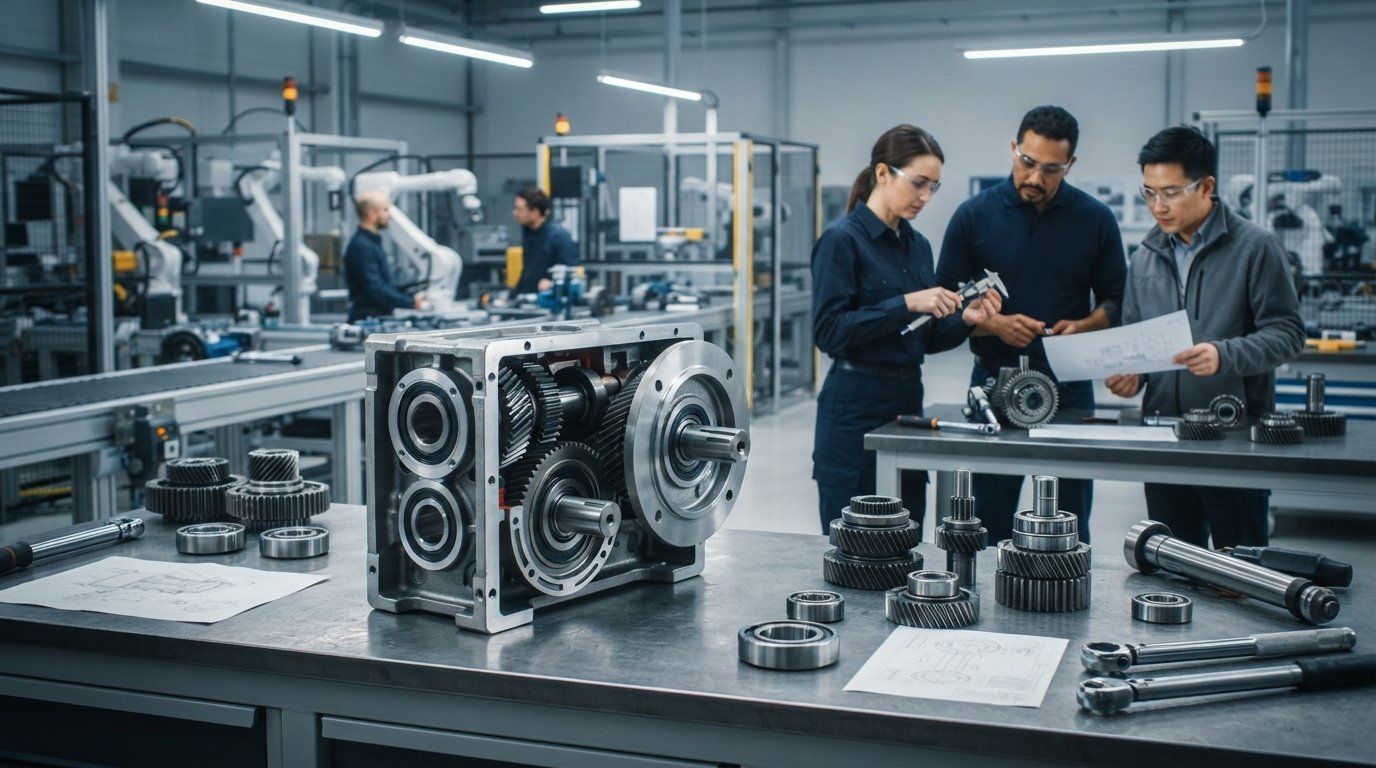
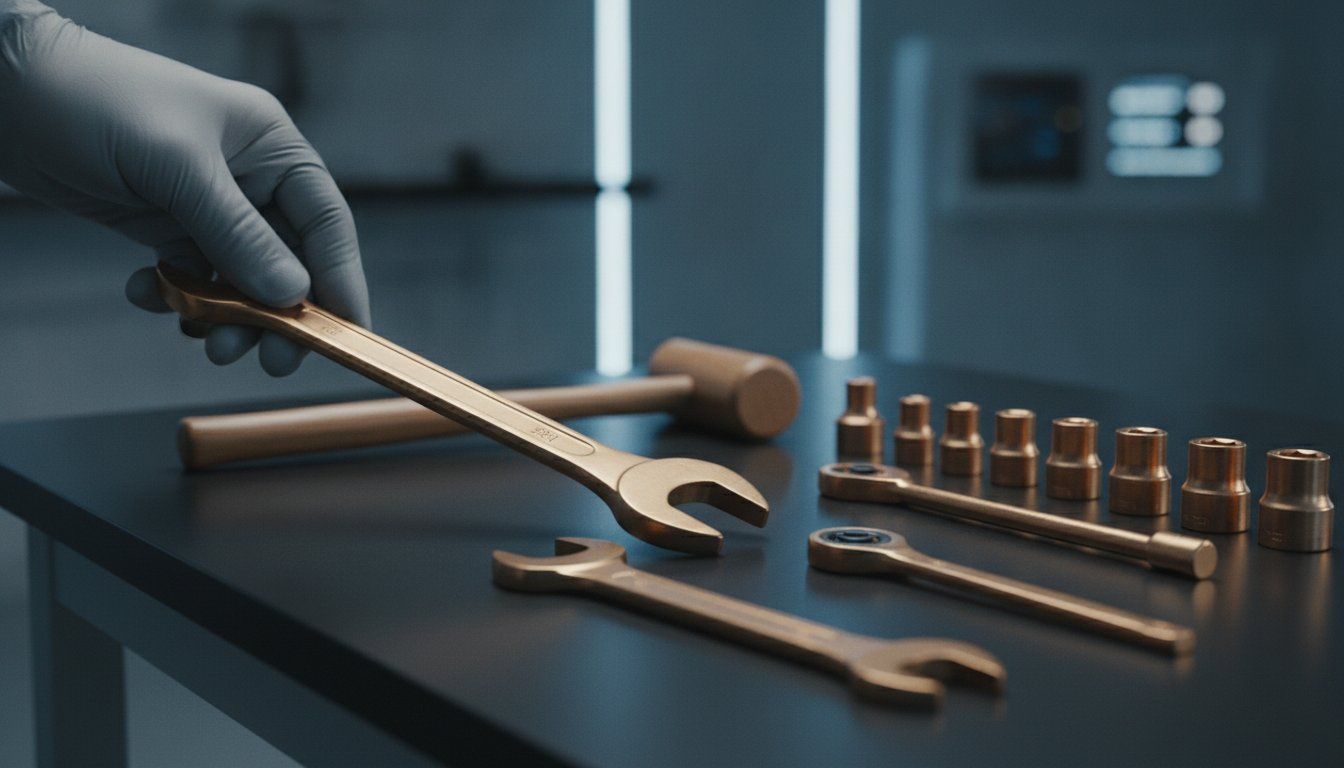
Safety is our non-negotiable starting point. Before you remove any safety guards or touch the drive system, you must ensure the system is locked out and tagged out (LOTO) according to your facility's safety standards. A quick check on a live system is a common cause of preventable injuries. Once the power is isolated, we perform a comprehensive inspection of the gearing products and motor mounts. Hairline cracks in a motor mount or a loose base plate will make it impossible to maintain consistent tension, no matter how precise your calculations are.
We utilize a systematic four-step process for all industrial chain adjustments to ensure repeatability across different shifts. This protocol ensures that every technician understands how to properly tension a roller chain without relying on subjective feel. We also emphasize that you must check alignment concurrently with tension. Moving a motor to take up slack often introduces a slight angular or parallel misalignment that will destroy your sprockets within weeks. Precision in these early steps prevents the "maintenance loop" where a drive requires adjustment every few days.
Manual Adjustment Steps
- Loosen Mounting Bolts: Slightly loosen the motor or speed reducer mounting bolts. You only need enough clearance for the unit to slide; don't remove the bolts entirely.
- Adjust Jack Screws: Use the jack screws to move the drive unit away from the driven sprocket. We recommend moving in small, controlled increments of 0.06 in / 1.5 mm to avoid over-tensioning.
- Verify Alignment: Use a laser alignment tool or a precision straight edge across the sprocket faces. We insist on this step because even a 0.5 degree misalignment causes uneven wear on the chain sideplates.
- Final Torque: Tighten the mounting bolts to the manufacturer's torque specification. Once secured, re-check the slack using the calculations we established earlier to account for any movement during the torquing process.
Utilizing Automatic Tensioners and Idlers
In applications with variable loads or high shock forces, spring-loaded or elastomeric tensioners are often the better choice. These components automatically compensate for chain elongation and momentary surges, reducing the need for frequent manual intervention. We always place idler sprockets on the slack side of the drive, ideally positioned near the larger sprocket to maximize wrap angle. Maintaining idler bearings is a critical part of this setup. A seized idler bearing creates localized heat that can reach 200°F / 93.3°C, quickly degrading the chain's lubricant and causing a total system seizure.
Identifying the Consequences of Improper Tensioning
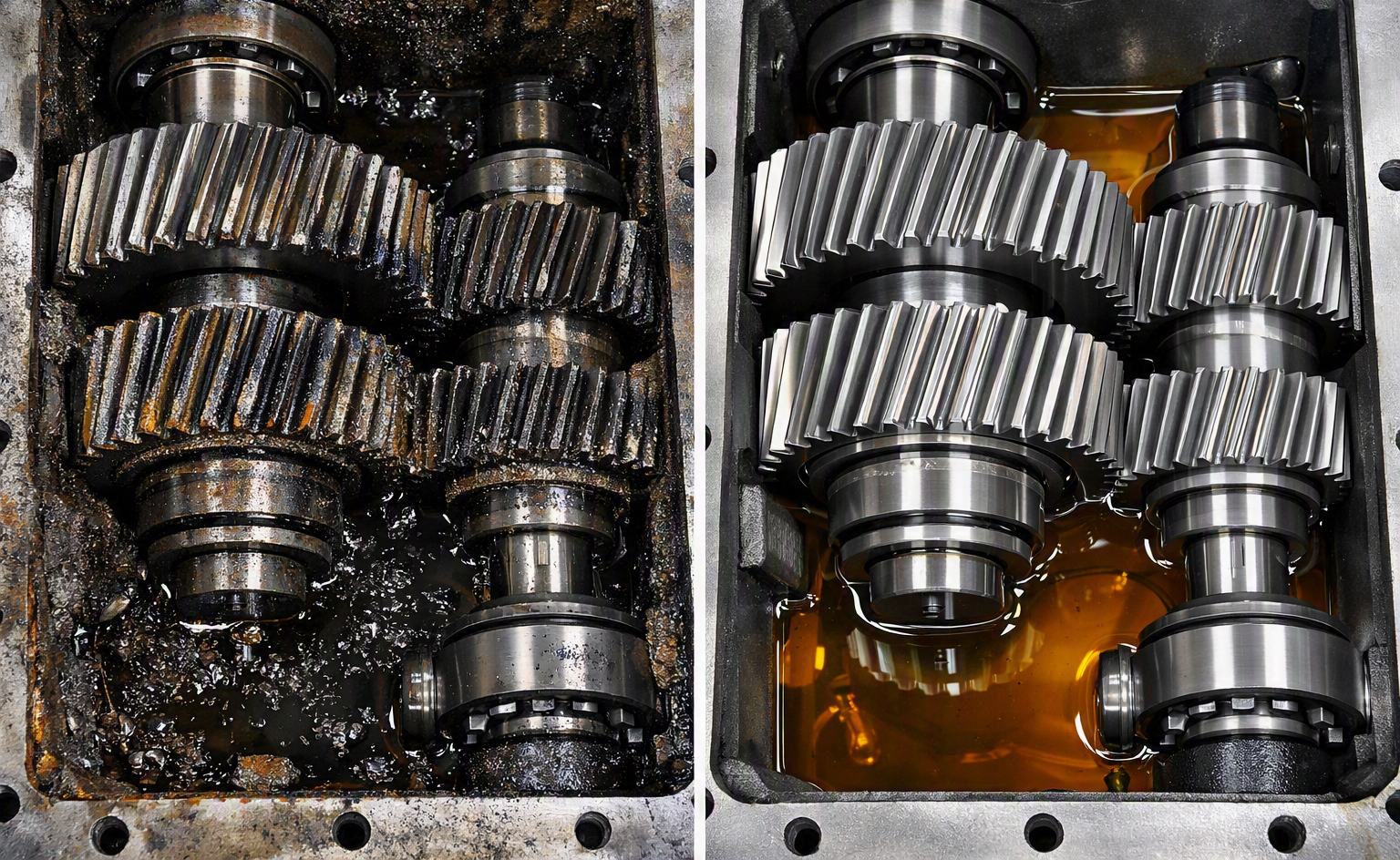
Identifying failure modes is as important as the adjustment process itself. When technicians don't know how to properly tension a roller chain , they often encounter "galling." This phenomenon occurs when excessive tension destroys the microscopic lubricant film between the pin and the bushing. Without this film, metal-on-metal contact generates localized heat and material transfer. This isn't just standard wear; it's a structural compromise that leads to sudden, catastrophic chain breakage during peak production cycles.
Sideplate wear acts as a primary indicator of misalignment during the tensioning process. If you notice shiny or grooved inner plates, the chain is rubbing against sprocket teeth or guides because the shafts aren't parallel. We use the "3% Rule" as a hard limit for replacement. When elongation reaches 3% of the original length, the chain pitch no longer matches the sprocket teeth. For a 1 in / 25.4 mm pitch chain, this is a deviation of only 0.03 in / 0.76 mm per link. Start procurement planning well before a chain reaches the replacement limit to avoid emergency downtime. Contact our technical team to secure high-specification replacements before your system reaches the point of failure.
Wear Pattern Analysis
Inspect your sprockets regularly for hooked teeth. This pattern indicates that an elongated chain has been running too long, effectively re-profiling the sprocket metal through improper engagement. You may also see polished link plates. This is evidence of chain whip and interference with guards, usually caused by under-tensioning. Discolored joints, appearing blue or straw-colored, are signs of extreme heat. This heat usually stems from the friction of excessive tension or a total lack of lubrication in the joints.
Lubrication and Tension Synergy
Proper tension allows lubricant to penetrate the "critical bearing area" between the pin and bushing. If the chain is too tight, the joints remain under constant load, preventing the oil from wicking into the internal clearances. We recommend selecting lubricants based on chain speed and environmental temperature to ensure the film strength remains intact. Never apply new tension to a dry, rusted chain without a thorough cleaning. Rust particles act as an abrasive, and increasing tension only accelerates the destruction of the internal joint surfaces.
Strategic Procurement of Industrial Drive Components
Establishing a technical protocol for how to properly tension a roller chain is only effective if the components you install meet the rigorous demands of your application. Jealco International, Inc. provides a brand-independent approach to sourcing chains and sprockets, ensuring that your engineering requirements dictate the product choice rather than a manufacturer's sales quota. By navigating global supply chains without brand-specific constraints, we secure high-specification components that minimize elongation and withstand the shock loads common in mid-market industrial operations.
Our consultative process focuses on providing expert technical support to operations managers who can't afford the lead-time constraints of large-scale distributors. We use our export experience since 1950 to ship critical drive components to six continents, handling all international compliance and documentation. Consolidating orders for heavy-duty components, such as conveyor chain, can reduce the landed cost for overseas procurement buyers while ensuring the integrity of the power transmission system.
The Independent Distributor Advantage
We avoid restrictive brand agreements to prioritize your specific operational needs. This independence allows us to source specialty chains that many generic suppliers don't stock, including:
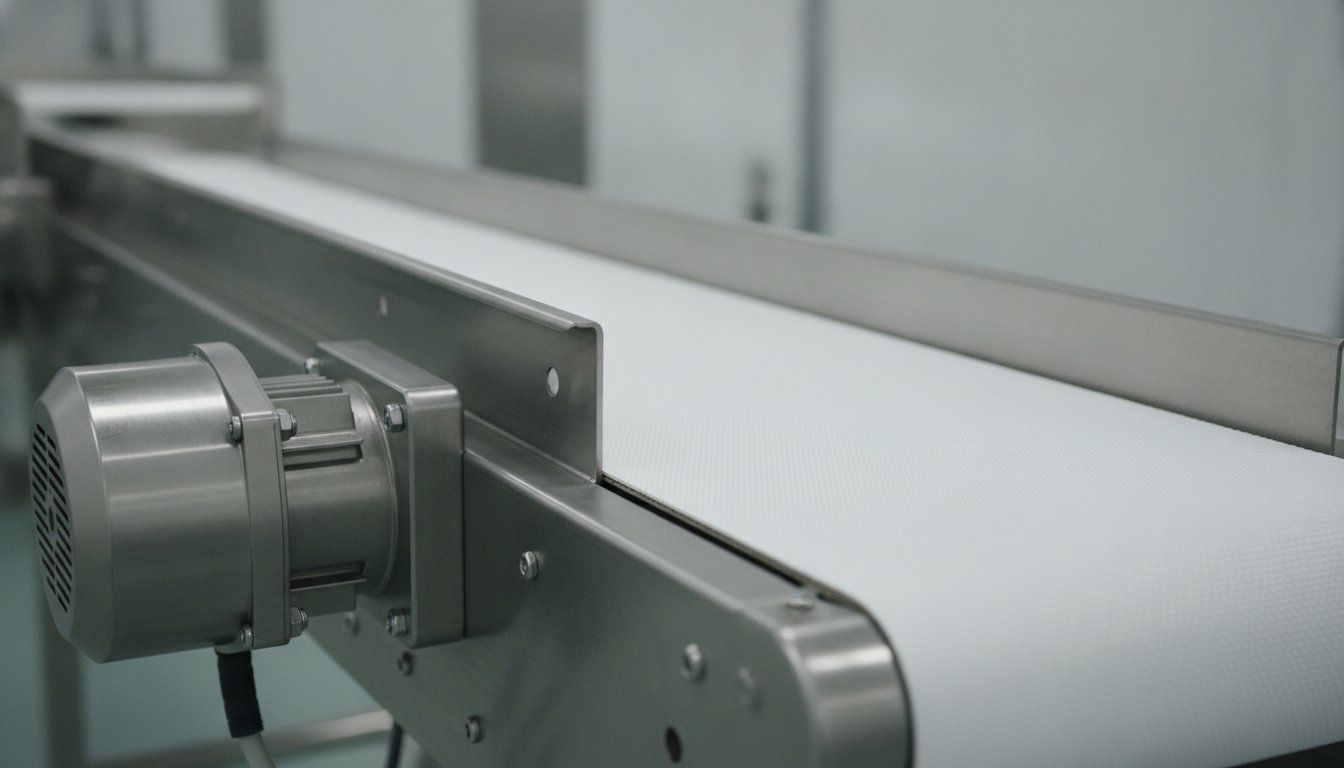
- Stainless Steel: For high-moisture or food-grade environments requiring frequent washdowns.
- Nickel-Plated: Providing superior corrosion resistance without the cost of full stainless construction.
- Self-Lubricating: Ideal for clean-room applications where external oiling is prohibited.
- Heavy Series: Featuring thicker sideplates for increased fatigue resistance in high-impact drives.
We support small repairs with the same technical rigor as a full warehouse automation overhaul. This flexibility ensures you get the exact pitch and material you need, whether you require 10 ft / 3.05 m or 1,000 ft / 304.8 m of chain.
Global Logistics and Export Excellence
Managing the international shipment of heavy-duty drive components requires more than just a carrier; it requires a logistics partner. We manage the entire export process, ensuring that your speed reducers and chains arrive at your facility without customs delays. Our team specializes in the technical consultation required for complex material handling projects outside North America. We invite you to contact us for a detailed review of your drive specifications to ensure your next procurement cycle focuses on maximum service life and operational reliability.
Optimizing Your Drive Systems for Long-Term Reliability
Implementing a standardized protocol for how to properly tension a roller chain transforms maintenance from a reactive chore into a strategic advantage. By adhering to the 2% slack rule and monitoring elongation limits, you protect your industrial bearings and speed reducers from unnecessary fatigue. These technical steps ensure your equipment operates at peak efficiency while minimizing the risk of catastrophic downtime during critical production cycles.
We understand that sourcing high-specification components shouldn't be limited by manufacturer lead times or restrictive brand agreements. With export experience since 1950 and a global logistics network reaching six continents, Jealco International, Inc. provides consultative, brand-independent sourcing tailored to mid-market operations. Contact Jealco International, Inc. for a technical consultation or a quote on high-performance drive components.
We look forward to supporting your next material handling project and ensuring your systems achieve their maximum service life.
Frequently Asked Questions
How often should I check the tension on my roller chain?
Perform an initial inspection after the run-in period recommended by the chain manufacturer. After that, check tension at the manufacturer's recommended interval or during regular maintenance cycles. High-load or high-speed systems require more frequent checks to prevent chain whip. Regular monitoring is the only way to ensure you know how to properly tension a roller chain before vibration causes secondary component damage.
What is the maximum allowable elongation for an industrial roller chain?
The maximum allowable elongation for most industrial roller chains is 3% of the original length. For a 100 in / 2,540 mm length of chain, this equates to a total elongation of 3 in / 76.2 mm. Running a chain all the way to the 3% limit can damage sprocket teeth. Start procurement well before that limit to allow for global logistics and delivery before the drive becomes a liability.
Can I remove a link to fix a sagging chain?
We do not recommend removing a link to compensate for excessive sag. A sagging chain is usually a sign of wear-induced elongation, meaning the pitch of the links has changed. Removing a link masks the problem while the increased pitch continues to destroy your sprocket teeth. If your chain has elongated beyond the adjustment range of your motor mounts, it is time to install a new, high-specification replacement from our inventory.
How does temperature affect roller chain tension?
Temperature changes cause the metal components to expand or contract. High temperatures increase the center distance of the shafts and cause the chain to expand, resulting in more slack. Conversely, extreme cold can tighten the system beyond its design limits. You must account for these environmental variables when determining how to properly tension a roller chain in outdoor or unconditioned facility environments to prevent bearing overload.
Is it necessary to replace sprockets every time I replace the chain?
You should almost always replace sprockets when installing a new chain. Worn sprocket teeth have a hooked profile that won't seat correctly with new rollers. This mismatch leads to rapid wear on the new chain, shortening its service life. We provide brand-independent sourcing for both components to ensure a correct mechanical match.
Where should a chain tensioner be located in a drive system?
You must locate the tensioner on the slack side of the drive. Positioning it near the larger sprocket is the most effective way to increase the wrap angle and prevent tooth jumping. We prefer using idler sprockets rather than flat rollers to maintain proper tooth engagement. Ensure the idler is mounted securely to avoid introducing harmonic vibrations that can reach 80 decibels or higher in confined spaces.
What tools are required for precision chain tensioning?
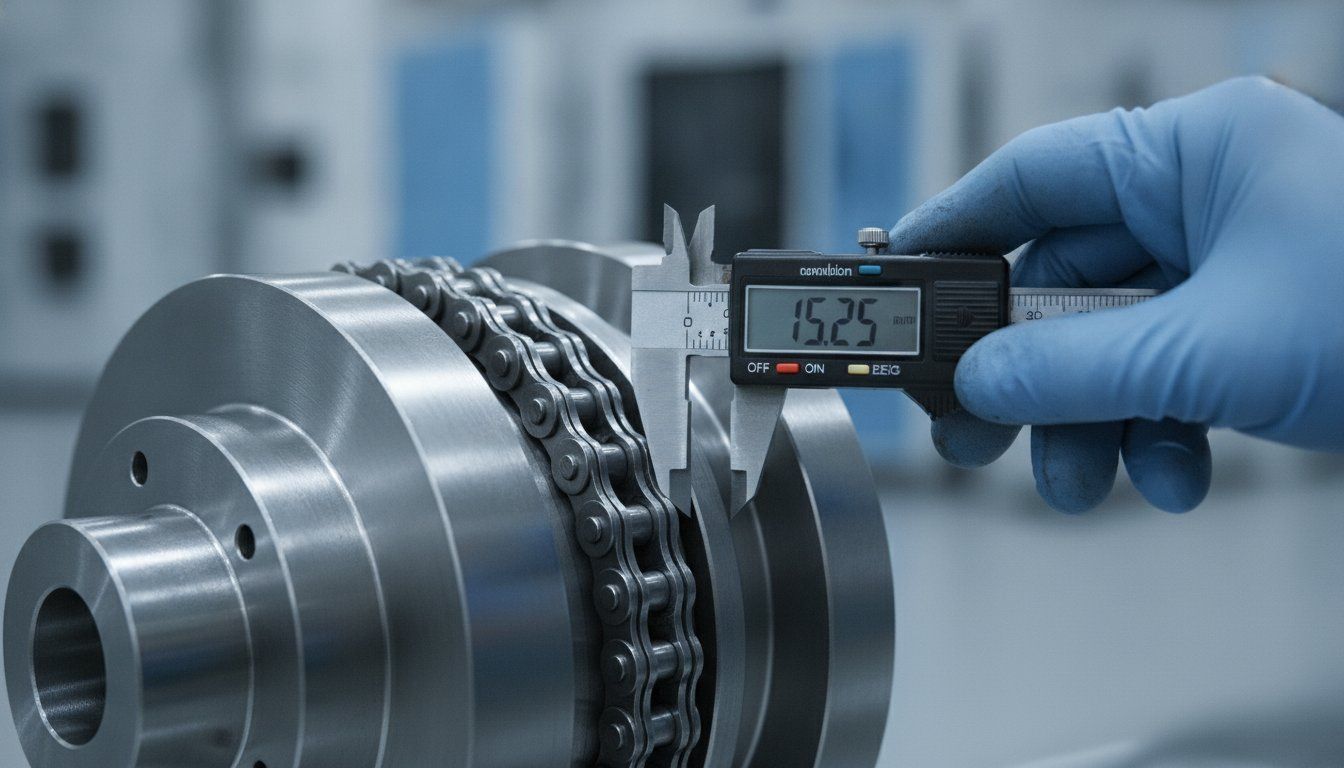
Precision tensioning requires a straight edge, a precise scale or ruler, and calipers for measuring elongation. For high-speed drives, we use laser alignment tools to ensure the sprockets are perfectly parallel. These tools allow you to measure the 2% sag rule, such as 0.8 in / 20.32 mm for a 40 in / 1,016 mm center distance. Having the right equipment eliminates the subjective "thumb test" that often leads to over-tensioning.
Can a chain be too tight even if it doesn’t break immediately?
Yes, a chain can be too tight even if it appears to run smoothly. Excessive tension creates a massive radial load on your industrial bearings and shaft seals. This pressure destroys the lubricant film between the pin and bushing, causing "galling" and internal seizure. Even if the chain doesn't snap immediately, the heat generated will permanently damage the drive motor and speed reducer internals through parasitic drag.
Need parts or a quote?
Jealco has supplied industrial equipment and parts since 1950, in the U.S. and for export worldwide. Send us your part number, size or application and we'll quote it.
Prefer to talk? Call +1 770-998-2124. Hablamos español.
Recent Posts