The Strategic Business Case for Upgrading to an Automated Conveyor System
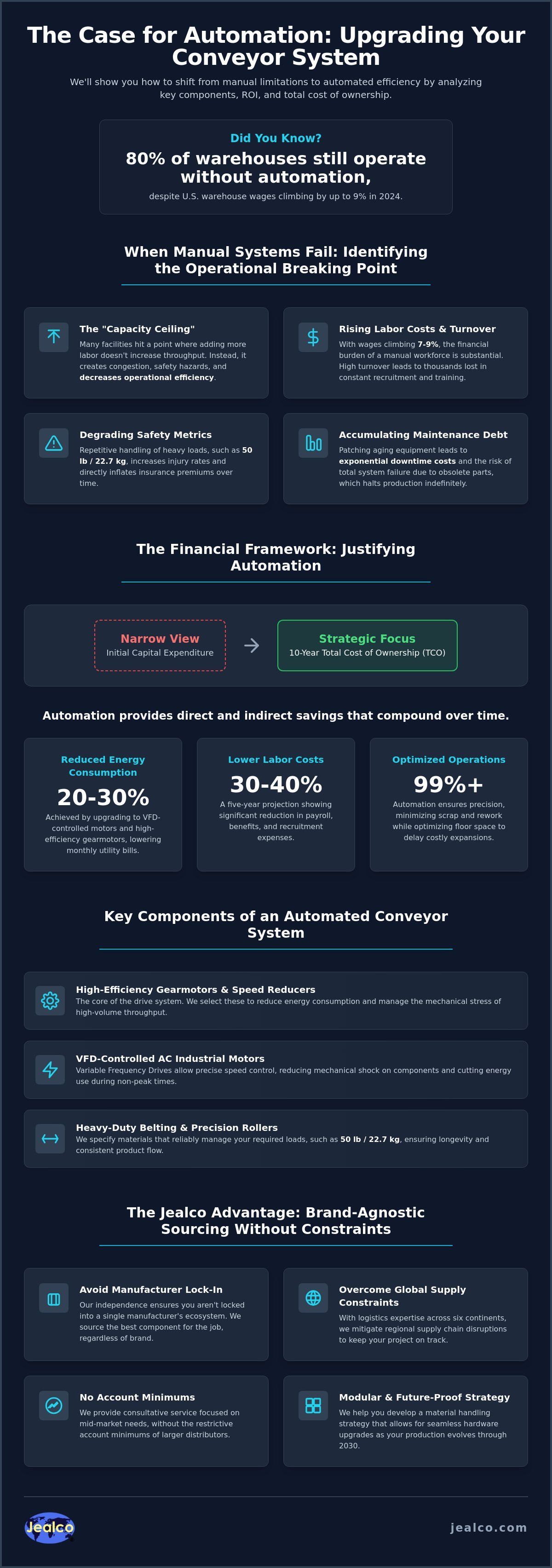
Many warehouses still operate without automation, even as warehouse wages keep climbing. We recognize the strain that high labor turnover and rising recruitment costs place on your operational budget. You're likely also contending with unpredictable downtime from aging mechanical parts that fail during critical seasonal spikes. Facilities relying on manual sortation face significant throughput limitations compared to those utilizing the key components of an automated conveyor system. We'll show you how to justify a transition to automation through precise ROI frameworks and technical component selection.
This article provides a clear roadmap for calculating your return on investment while identifying the specific hardware required for your application. We'll explore how upgrading to high-efficiency gearmotors and precision rollers can increase operational efficiency when moving 50 lb / 22.7 kg loads. You'll also learn why our brand-agnostic approach at Jealco International, Inc. ensures you aren't locked into a single manufacturer's ecosystem. We'll break down the technical justifications for specific upgrades, helping you build a robust material handling strategy that supports long-term growth across global markets.
Key Takeaways
- Identify the "capacity ceiling" where increasing manual labor fails to scale production and actually decreases operational efficiency.
- Shift your financial justification from initial capital expenditure to a comprehensive 10-year Total Cost of Ownership (TCO) model.
- Evaluate the key components of an automated conveyor system , specifically how heavy-duty belting and precision gearmotors manage 50 lb / 22.7 kg loads.
- Discover the strategic advantage of brand-agnostic sourcing from Jealco International.
- Develop a modular material handling strategy that allows for seamless hardware upgrades as production requirements evolve through 2030.
Identifying the Operational Breaking Point: When Manual Systems Fail
We define an automated conveyor system as a self-regulating material handling solution integrated with control logic. Unlike manual lines that rely on human physical intervention, these systems use sensors and software to dictate flow. Many facilities eventually hit a "capacity ceiling." At this point, adding more labor doesn't increase throughput. It actually creates congestion and safety hazards. Once a manual line exceeds its design limits, the cost per unit processed begins to climb sharply.
Human error represents a significant hidden cost in high-precision sortation environments. Even a small error rate in packaging leads to thousands of dollars in reverse logistics and lost customer trust. Inconsistent line speeds also wreak havoc on downstream machinery. For example, if your palletizer is rated for 40 cartons per minute but receives uneven bursts of 15 and 60, the mechanical shock damages the key components of an automated conveyor system . This stress often causes premature failure in critical parts like speed reducers and drive motors.
The Labour Crisis and Production Limits
The labor market in 2026 continues to challenge the manufacturing sector. With warehouse wages rising, the financial burden of a manual workforce is substantial. Recruitment and training for high-turnover roles add up quickly. Physical fatigue also degrades safety metrics. When workers handle loads of 50 lb / 22.7 kg repeatedly, injury rates rise. This directly inflates your insurance premiums over time. Transitioning to automation allows your staff to move into supervisor-level roles, managing the technology rather than performing the heavy lifting.
Maintenance Debt and the Cost of Inaction
Maintenance debt accumulates when you patch aging equipment rather than upgrading it. Mechanical fatigue is common in older belt conveyors that were never intended for modern production volumes. Patching these legacy systems leads to exponential downtime costs. You eventually face the risk of total system failure due to obsolete parts. Modernizing ensures you aren't searching for discontinued components while your production line sits idle. Automation reduces labor costs, providing a much more stable financial outlook than maintaining a failing manual system.
The Financial Framework: Calculating ROI and Total Cost of Ownership
Procurement teams often focus solely on the initial purchase price. This narrow view ignores the 10-year Total Cost of Ownership (TCO), which is the only accurate way to measure the success of an automation project. When we evaluate the key components of an automated conveyor system, we look at how each part affects long-term maintenance and utility costs. A cheap component often carries a hidden tax in the form of frequent replacements and lost production time.
Energy efficiency is a major driver of TCO. Upgrading to VFD-controlled motors can reduce energy consumption, especially on conveyors that run below full load. By integrating high-efficiency gearmotors and AC industrial motors, you reduce the heat load in your facility and lower monthly utility bills. Automated precision also minimizes scrap and rework. Unlike manual handling, sensors and logic controllers ensure products are positioned perfectly, which prevents the costly damage that occurs during manual sortation errors.
Direct vs. Indirect Cost Savings
Direct savings are the easiest to quantify. You'll see immediate reductions in labor hours, employee benefits, and payroll taxes. However, indirect savings often provide the greatest value. Automation allows for floor space optimization, potentially delaying the need for expensive facility expansions. We also help clients standardize their international throughput data by using dual measurements. For instance, designing a system to handle 500 lb / 226.8 kg loads consistently ensures that your global logistics partners can match your output expectations without friction.
The Payback Period for Automation Investments
Establishing a realistic timeline for capital expenditure recovery is essential for stakeholder buy-in. Payback depends on labor costs, volume and system scope; build your own ROI from your facility's numbers. Beyond the immediate cash flow improvements, automation significantly boosts the resale value of your industrial facility. Modernized warehouses are more attractive to buyers and investors alike. You should also explore local tax incentives for energy-efficient equipment upgrades, as these can further accelerate your payback period. If you need help identifying the right equipment for your specific budget, you can consult with our team to review your options.
Key Components of an Automated Conveyor System
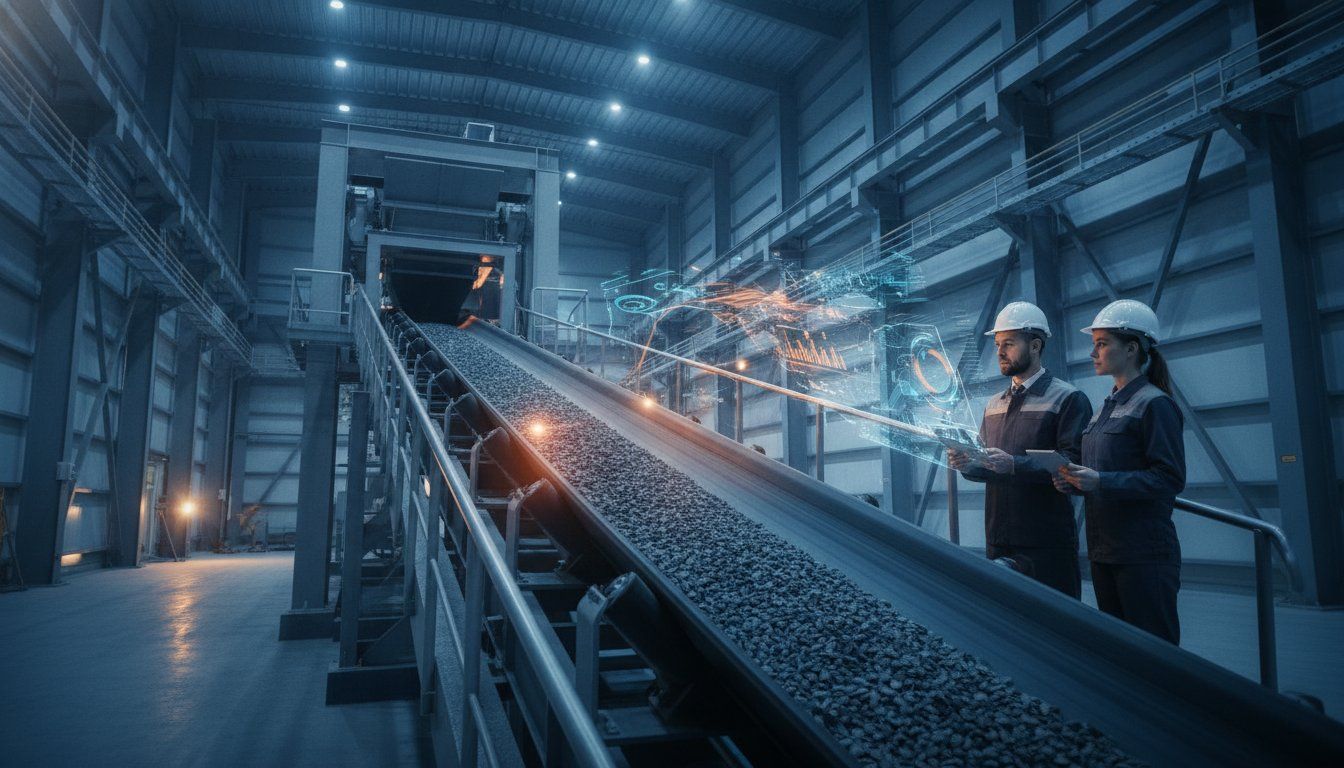
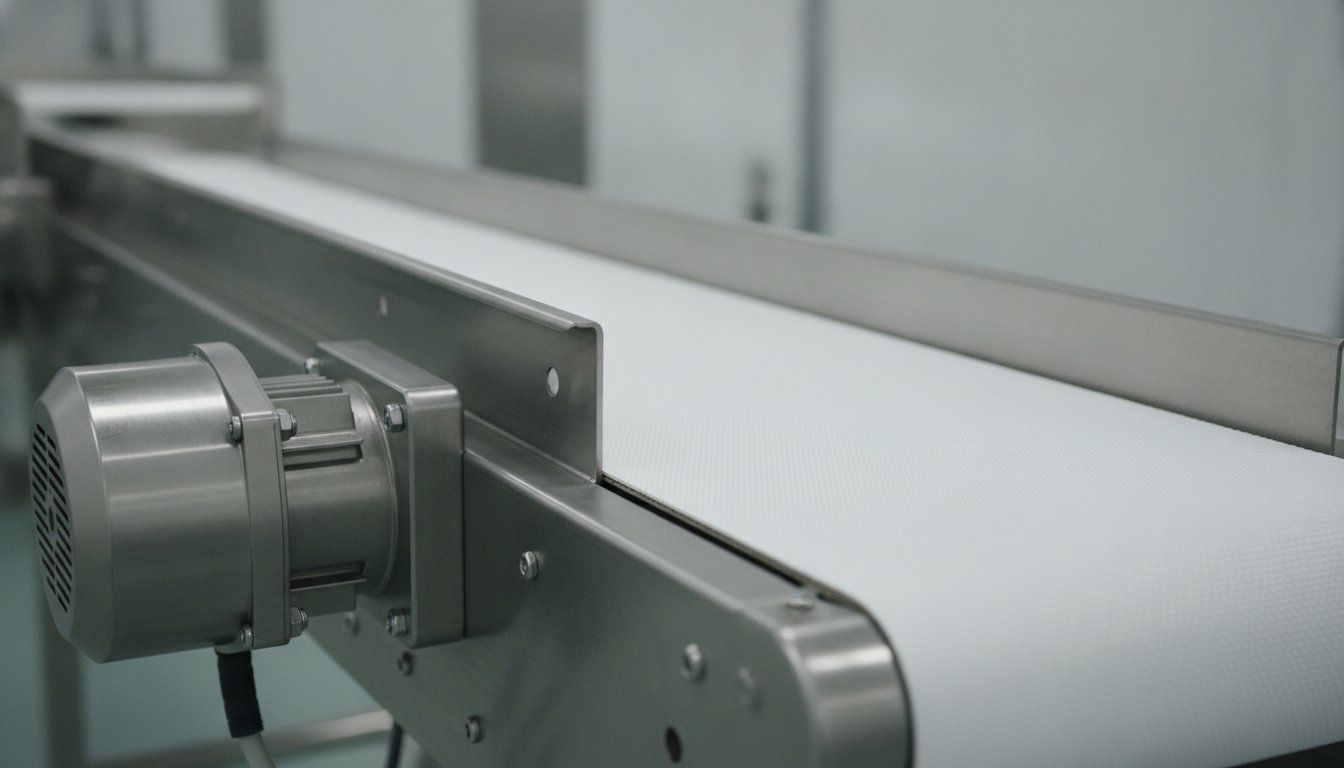
We believe that the mechanical foundation of your facility dictates the success of your digital control logic. While many competitors focus strictly on sensors and software, we understand that the key components of an automated conveyor system must withstand the physical rigors of 24/7 operation. High-performance heavy-duty conveyor belting acts as the primary interface between your system and your product. If the belt material isn't precisely matched to your throughput speeds, you'll face tracking issues that no amount of programming can fix.
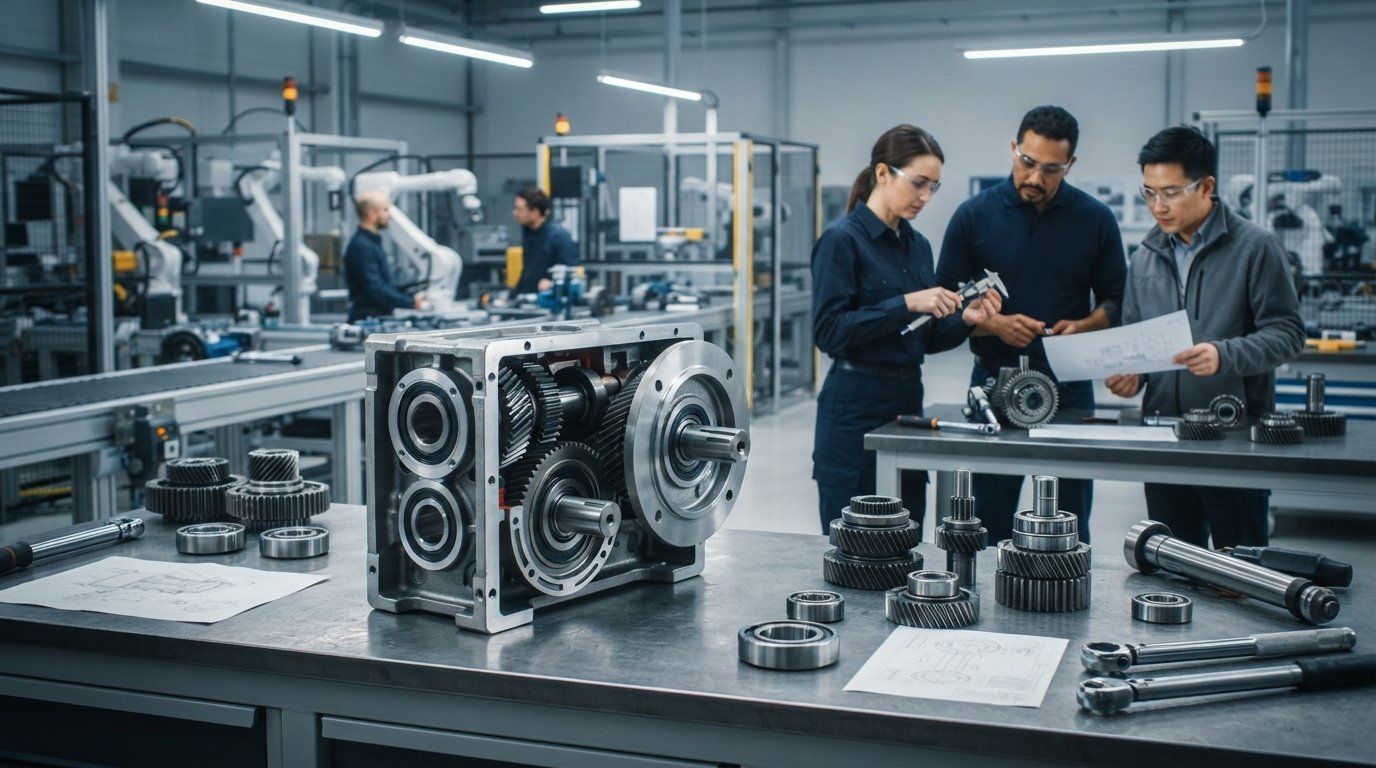
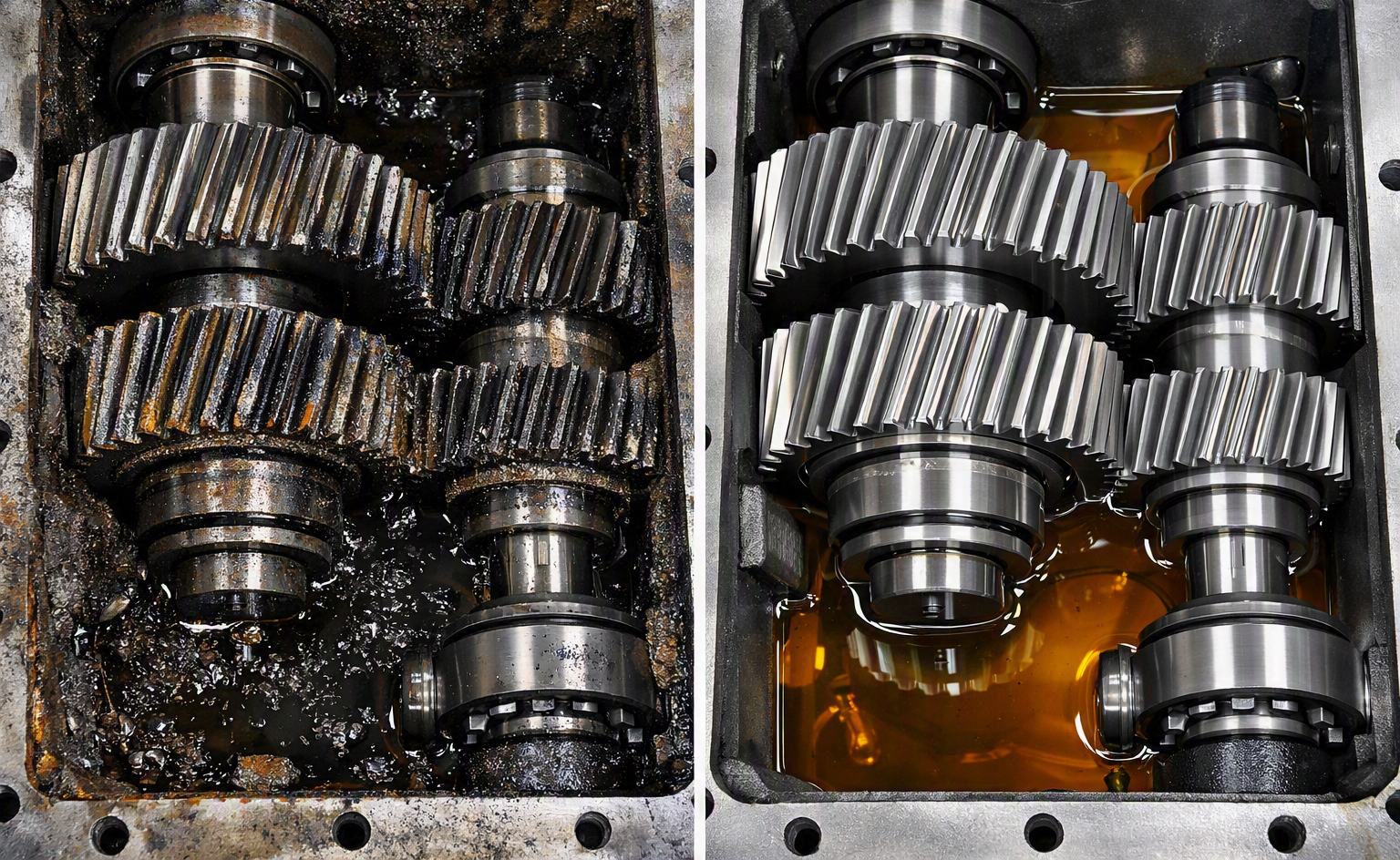
Speed reducers and gearboxes serve as the mechanical 'brain' for torque management. They convert high-speed motor rotation into the controlled force needed to move heavy loads accurately. This is critical in automated environments where start-stop cycles occur thousands of times per shift. Without precision industrial bearings, friction and heat build-up will inevitably lead to catastrophic component failure. The wrong belt tensioner shortens motor and bearing life, which is why we prioritize technical compatibility and independent sourcing over brand-specific agreements.
Selecting the Right Motor and Drive
We can help with the choice between AC and DC industrial motors for variable speed applications. While AC motors are standard for most heavy-duty tasks, the integration of soft-start controllers is non-negotiable for system longevity. These devices prevent the sudden torque spikes that lead to belt stretching, especially when maintaining 50 lb / 22.7 kg tension limits. For high-speed sortation, we recommend integrating encoders directly into the drive train to ensure precise product tracking across every foot of the line.
Material Handling Optimization
High-impact zones require specific material selections to prevent premature wear and unplanned downtime. Solid woven PVC belting is a common choice for these areas because of its superior resistance to punctures and abrasions. The synchronization of your system also depends on the quality of your sprockets and chains; a single worn link can desync an entire sortation algorithm. We advocate for standardizing on metric components whenever possible. This strategy simplifies global maintenance and ensures that your facility on any of the six continents can source replacements without the constraints of regional supply chain bottlenecks.
Future-Proofing and Global Sourcing Strategies
We approach system design with a focus on modularity to ensure your facility can adapt to 2026-2030 production projections. A rigid, single-brand setup often becomes a liability when regional supply chains fail. By utilizing brand-agnostic sourcing, we select the key components of an automated conveyor system based on technical performance rather than manufacturer quotas. This independence allows us to bypass the bottlenecks that frequently paralyze larger, brand-locked distributors. We prioritize the scalability of your hardware, ensuring that a system designed today can integrate with future robotics or sortation modules tomorrow, a strategy also championed by specialized manufacturing partners like Keiteq Co Ltd.
Standardizing your Maintenance, Repair, and Operations (MRO) kits is vital for multi-site operations. We help you curate essential spares, such as speed reducers and AC industrial motors, to ensure consistency across your global footprint. Our logistics expertise spans six continents. This approach ensures that your facility in South America or Southeast Asia receives the same high-quality components as your domestic plants without supply chain constraints.
International Procurement Challenges
Managing lead times for critical mechanical parts in non-North American markets requires a deep understanding of global trade routes. Export compliance and heavy industrial documentation can delay a project by weeks if handled incorrectly. We use our export experience since 1950 to navigate these hurdles, ensuring your equipment arrives ready for integration without customs-related downtime. We understand the nuances of international shipping, from crating requirements for heavy-duty belt conveyors to the specific documentation needed for high-value motor shipments.
Smart Technologies and IoT Integration
Predictive maintenance is no longer a luxury for modern facilities. By integrating sensors into industrial bearings, you can detect heat signatures or vibration patterns that signal failure before it occurs. This data feeds into cloud-based monitoring systems, allowing operations managers to track line efficiency from any location. These technologies are the backbone of 'lights-out' manufacturing, where automated systems handle 100 lb / 45.4 kg loads with zero human intervention. If you are planning a global rollout or need to stabilize your international supply chain, contact our export specialists to discuss your logistics and sourcing requirements.
The Jealco International, Inc. Advantage: Sourcing Without Constraints
Since 1950 we've refined our role as an independent distributor to provide you with technical solutions that aren't tied to a single manufacturer's quota. Most competitors are bound by brand-specific agreements that force them to push proprietary hardware, regardless of whether it's the best fit for your facility. Our independence allows us to objectively select the key components of an automated conveyor system based on your specific torque, speed, and environmental requirements. We prioritize functionality and robust performance over brand loyalty, ensuring your system operates at peak efficiency.
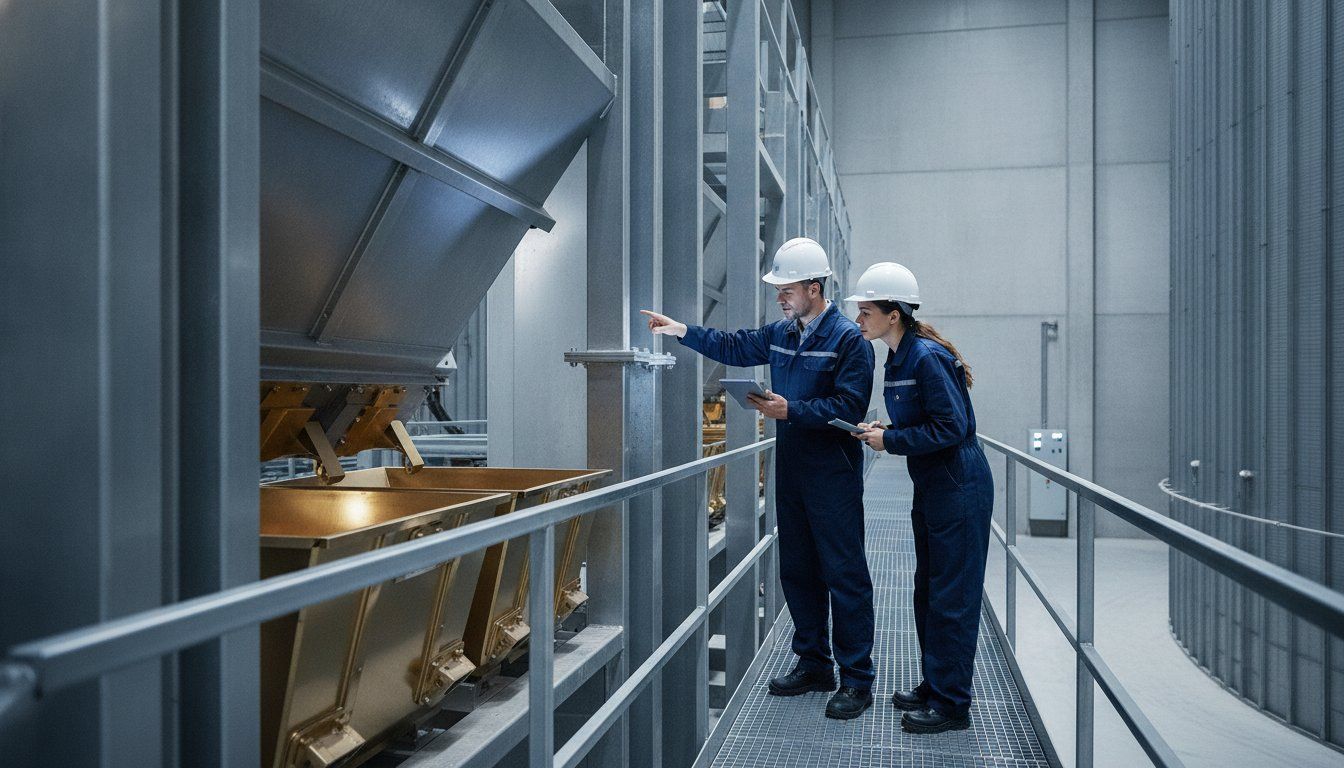
Our commitment to the mid-market means high-level consultative support. We handle everything from high-capacity elevator buckets to high-precision gearmotors with the same level of technical scrutiny. We support customers on six continents, drawing on our understanding of how different mechanical ecosystems interact. This specialized knowledge prevents the "integration friction" that often occurs when mixing components from various manufacturers without expert guidance.
Consultative Sourcing vs. Catalog Buying
We operate on an "education first" philosophy to ensure you purchase the correct part for your application the first time. Catalog buying often leads to procurement errors because it lacks the technical context of your specific material handling needs. We evaluate your requirements through an engineering lens, considering factors like the impact of 100 lb / 45.4 kg loads on your drive train. You can access our online catalog for immediate MRO needs, but our team is always available to provide the technical justification for your component selection.
Next Steps for Your Automation Upgrade
We recommend initiating a technical audit of your current system to identify the key components of an automated conveyor system that require immediate modernization. This process uncovers hidden inefficiencies in your motors, bearings, and belts before they cause a total line stoppage. If you're ready to expand your throughput, you can request a quote for a complete belt conveyor solution tailored to your operational goals. Contact our export specialists at Jealco International, Inc. to discuss your international project support and logistics requirements today.
Optimizing Your Material Handling Future
We've demonstrated that transitioning to automation is a strategic necessity for facilities facing rising labor costs and mechanical fatigue. By identifying the key components of an automated conveyor system that align with your specific throughput goals, you move beyond the limitations of manual labor. Our brand-agnostic approach ensures that you select hardware based on technical merit rather than manufacturer agreements. We use our export experience since 1950 to deliver these solutions across six continents.
Our commitment to independent distribution means we focus on your operational success rather than brand quotas. We provide the technical depth needed to justify your capital expenditure through precise ROI frameworks and long-term maintenance strategies. You don't have to navigate supply chain constraints alone. Contact Jealco International today for a consultative quote on your automation upgrade. We're ready to help you build a more robust, efficient, and scalable operation that's prepared for the demands of 2030 and beyond.
Frequently Asked Questions
How much does an automated conveyor system cost compared to manual?
Automated systems require a higher initial capital expenditure compared to manual lines. However, the long-term operational costs are significantly lower due to reduced labor requirements. Over the long term, total cost of ownership often favors automation for facilities moving heavy loads at high frequency. You'll also be less exposed to rising wages in the manual labor market.
What is the average ROI for a warehouse automation upgrade?
We help you map the key metrics against your specific throughput to establish a firm payback timeline. Payback depends on your labor costs, volume and system scope.
Can I automate my existing manual conveyor or do I need a full replacement?
You can often retrofit existing frames with the key components of an automated conveyor system , but we must first evaluate the structural integrity of your legacy equipment. If your current rollers and supports cannot handle the increased torque of modern gearmotors, a full replacement is the more cost-effective long-term solution. We prioritize technical audits to determine if a modular upgrade is feasible for your specific facility.
How does automation impact my current workforce and labour costs?
Automation reduces labor costs, though the amount depends on your operation. This shift moves your current workforce from repetitive manual tasks to higher-value supervisor roles. It also mitigates the financial impact of the ongoing labor shortage, which is expected to leave 2.1 million warehousing jobs unfilled by 2030. Your facility becomes less dependent on high-turnover manual positions and more focused on technical oversight.
What are the most critical components to upgrade first for automation?
The drive train and control logic are the most critical key components of an automated conveyor system to address first. Upgrading to high-efficiency gearmotors and precision speed reducers provides the mechanical foundation for automation. We also recommend prioritizing heavy-duty conveyor belting that can handle the specific tension requirements of your 100 lb / 45.4 kg load profiles without stretching or slipping.
How long does it take to install an automated conveyor system?
Installation timelines vary based on the complexity of the system and your facility's network infrastructure. A standard modular upgrade might take two to four weeks, while a full facility overhaul requires more extensive planning. We coordinate with your teams to manage lead times for critical components across our global logistics network. This ensures your hardware arrives on schedule for your planned maintenance window.
What maintenance is required for high-speed automated conveyors?
High-speed automated conveyors require a proactive maintenance schedule with an annual budget set from the manufacturer's maintenance plan. You'll need to monitor bearing temperatures and belt tension regularly to prevent unplanned downtime. We provide standardized MRO kits to ensure your maintenance teams have the exact parts needed for these routine inspections. This approach prevents the exponential costs associated with patching 20-year-old legacy systems.
Does Jealco provide on-site installation for these systems?
We do not provide on-site installation labor. Our role is that of a consultative independent distributor and technical partner with export experience since 1950. We source the high-quality components and provide the engineering expertise you need, but we leave the physical installation to your preferred local contractors or internal maintenance teams. This independence allows us to focus entirely on providing the best technical solution for your specific application.
Need parts or a quote?
Jealco has supplied industrial equipment and parts since 1950, in the U.S. and for export worldwide. Send us your part number, size or application and we'll quote it.
Prefer to talk? Call +1 770-998-2124. Hablamos español.
Recent Posts