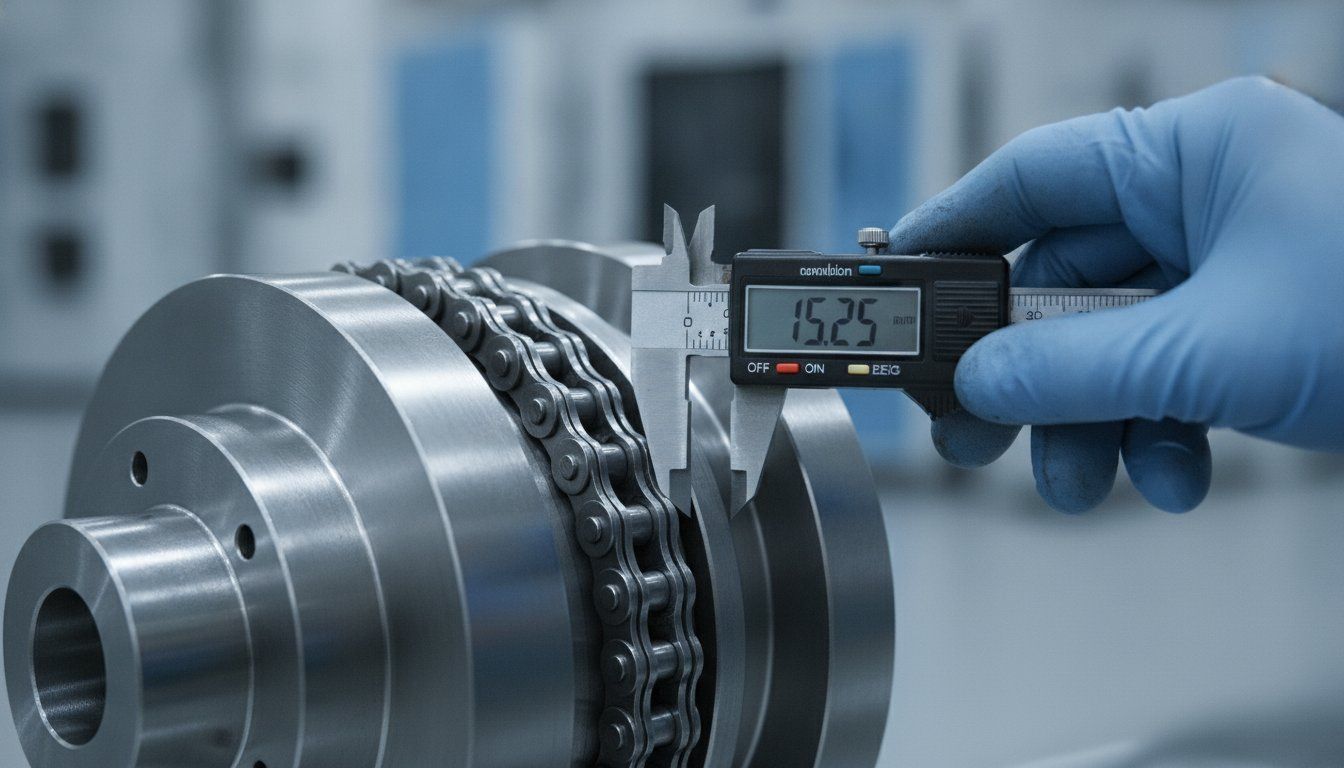
Essential Guide to Non-Magnetic Hand Tools for Safety
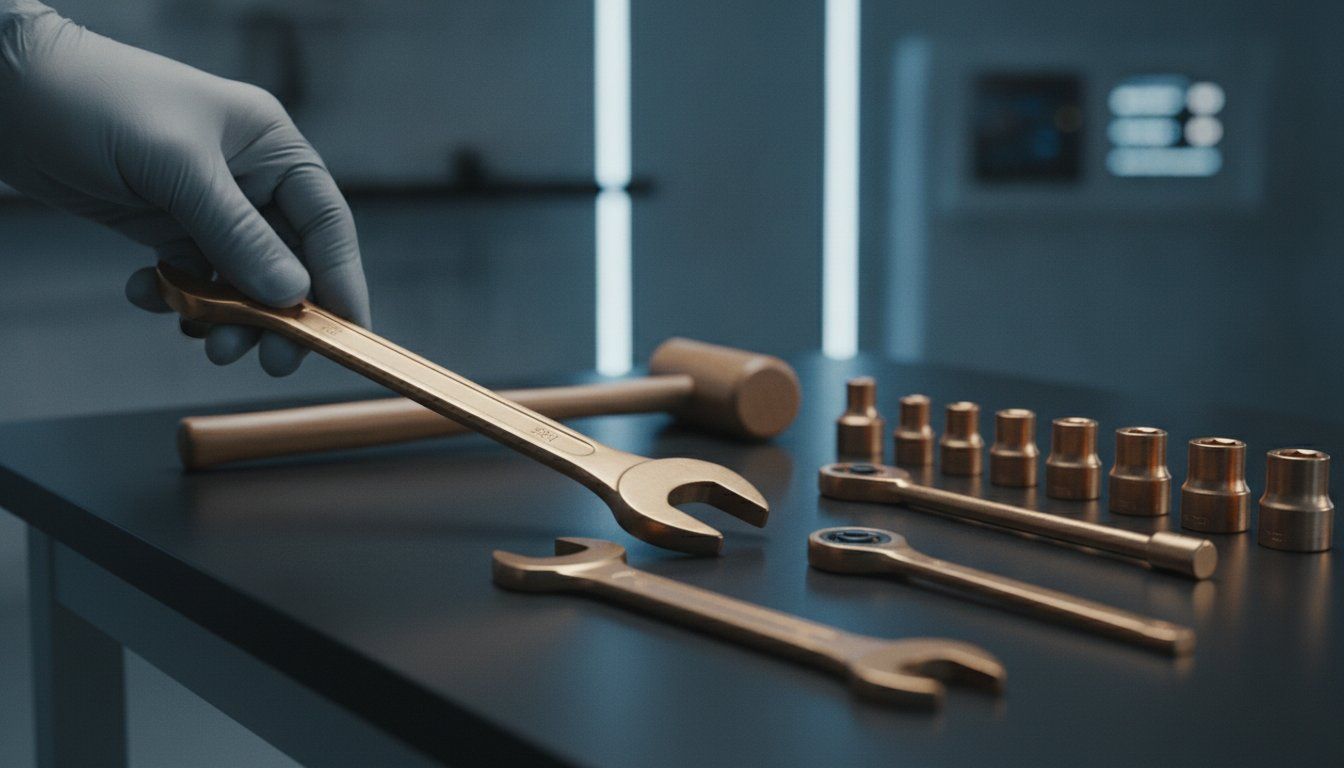
We know that for engineers in MRI suites or explosive aerospace environments, a single ferrous mistake can lead to catastrophic equipment failure. Sourcing high-quality non-magnetic hand tools often comes with the headache of high costs and long lead times for international delivery. You've likely felt the pressure of maintaining full safety compliance while navigating the confusing technical overlap between non-sparking and non-magnetic requirements.
This guide will teach you how to select the correct alloy for your specific application, such as choosing between Beryllium Copper (CuBe) and Aluminum Bronze (AlBr). We'll also explain how to establish a reliable MRO supply chain to ensure your team has the right 2 lb / 0.9 kg mallet or wrench exactly when they need it. By the end of this article, you'll have a clear strategy for sourcing and maintaining high-performance tools across your global operations.
Key Takeaways
- Identify the lethal risks of using ferrous tools in high-intensity magnetic fields exceeding 3.0 Tesla / 30,000 Gauss.
- Compare the mechanical performance of Copper-Beryllium (CuBe) and Aluminum Bronze (AlBr) to select the most durable non-magnetic hand tools for your facility.
- Establish a rigorous maintenance protocol and use dedicated storage, such as a 10 lb / 4.5 kg tool roll, to prevent ferrous cross-contamination.
- Use our export experience since 1950 to streamline international procurement and logistics across six continents.
- Access brand-agnostic technical solutions for your MRO requirements through our consultative sourcing model.
Understanding the Critical Role of Non-Magnetic Hand Tools in High-Risk Environments
We define non-magnetic hand tools as specialized implements engineered from non-ferrous alloys that do not interact with magnetic fields or generate mechanically induced sparks. In high-risk industrial zones, the presence of standard steel tools is not just a compliance issue; it's a severe safety hazard. "Non-magnetic" and "non-sparking" requirements are often confused. While many alloys like Beryllium Copper (BeCu) possess both properties, the engineering distinction is critical. Non-magnetic tools prevent interference with sensitive equipment and magnetic fields, while non-sparking tools prevent ignition in explosive atmospheres.
The primary danger in environments like MRI suites involves the "missile effect." A standard 1 lb / 0.45 kg wrench can become a lethal projectile when introduced to a 3.0 Tesla / 30,000 Gauss magnetic field. These static fields remain active even when the machine isn't scanning, creating a permanent high-risk zone. We provide specialized Ampco Safety Tools to mitigate these risks, ensuring that your facility meets the most stringent safety protocols without compromising on tool performance.
Primary Industrial Applications: From MRI Suites to Aerospace
Medical imaging facilities represent the most common application for these tools. Because MRI magnets are superconducting, the magnetic field is always "on," requiring strict non-magnetic compliance for all maintenance equipment. In the aerospace and defense sectors, technicians use these tools to work on degaussing systems and sensitive flight electronics where magnetic interference can corrupt data or damage components. We also see increasing demand in the clean energy sector, specifically for maintaining high-efficiency industrial motors and magnetic bearings that rely on precise field alignment to function correctly.
The Risk of Ferrous Contamination
The integrity of a non-magnetic tool environment depends on the total exclusion of iron-based materials. Even microscopic steel particles embedded in the surface of a non-ferrous tool can compromise its safety rating. This contamination leads to "cold sparks" which, while appearing harmless, can provide enough energy to ignite environments with a low Minimum Ignition Energy (MIE). Standard 4140 steel tools are strictly prohibited in these zones because their high carbon and iron content makes them highly susceptible to magnetic attraction and spark generation.
We help our clients establish dedicated tool inventories to prevent this cross-contamination across their global operations. Our logistics network reaches six continents, so your facility receives compliant equipment wherever it operates. This consultative approach allows us to provide technical solutions tailored to your specific MRO requirements, regardless of your location.
Material Science: Comparing Beryllium Copper and Aluminum Bronze Alloys
We select the material for non-magnetic hand tools based on the specific mechanical stresses of your application. The two primary alloys, Copper-Beryllium (CuBe) and Aluminum-Bronze (AlBr), offer distinct performance profiles that dictate their service life and safety margins. While both meet international standards for MRI and explosive environments, their hardness and tensile strength vary significantly. We recommend analyzing your torque requirements before finalizing your MRO inventory to avoid premature tool failure or safety compromises.
Copper-Beryllium (CuBe): The High-Strength Standard
Copper-Beryllium provides the highest strength and hardness available in non-ferrous safety tools, reaching 38-45 HRC on the Rockwell C scale. Its tensile strength ranges from 1100-1300 N/mm² (160-190 ksi), which is comparable to many high-grade steel alloys used in standard industrial settings. We suggest using CuBe for wrenches, pliers, and striking tools where maximum durability and high-torque capacity are paramount. This material maintains its mechanical properties even in extreme temperatures, providing a reliable solution for sensitive aerospace applications. Because these tools are both non-magnetic and non-sparking, they represent the most versatile choice for high-risk zones.
Aluminum-Bronze (AlBr): Practical Safety
Aluminum-Bronze serves as a cost-effective alternative for environments with lower mechanical demands. With a hardness of 25-30 HRC and tensile strength between 700-800 N/mm² (100-116 ksi), AlBr is suitable for scrapers, brushes, and basic adjustment tools. While AlBr is softer than CuBe, it offers excellent corrosion resistance in marine environments, which makes it common in offshore oil and gas work. This allows procurement managers to balance safety compliance with budgetary constraints effectively. AlBr tools are the primary choice for MRO managers overseeing large-scale operations where high torque is not a constant requirement.
Our independent status allows us to provide brand-agnostic technical advice on these alloys without being tied to specific manufacturer quotas. We use our export experience since 1950 to ensure your team receives the correct Ampco Safety Tools regardless of your geographic location. This global logistics reach across six continents means we manage the complexities of international shipping and customs for you. If you need assistance determining which alloy fits your specific operational parameters, you can consult with our technical team for a detailed assessment.
The Engineering Trade-offs: Durability vs. Safety in Non-Ferrous Tools
Every engineer understands that material selection involves balancing competing priorities. When we specify non-magnetic hand tools, we're intentionally choosing safety over the extreme hardness of high-carbon steel. Non-magnetic alloys are inherently softer than the 4140 steel used in standard industrial tools, which means they require a different approach to maintenance and operation. Selecting the proper alloy for the torque requirements of a task extends the tool's service life compared with a generic substitute.
One unique advantage of these non-ferrous metals is their "Self-Healing" property under mechanical stress. Unlike steel, which can develop microscopic cracks that lead to brittle fracture, alloys like Copper-Beryllium tend to undergo plastic deformation. This means the tool will bend or mushroom rather than sharding into dangerous projectiles. We provide technical guidance to help your team recognize when a tool has reached its deformation limit and requires dressing or replacement to maintain safety compliance.
Tensile Strength and Hardness Comparison
The following table illustrates the technical gap between safety alloys and standard tool steel. These figures represent the mechanical constraints your technicians must work within.
| Material | Hardness (HRC) | Tensile Strength (N/mm² / ksi) |
|---|---|---|
| Copper-Beryllium (CuBe) | 38-45 | 1100-1300 / 160-190 |
| Aluminum-Bronze (AlBr) | 25-30 | 700-800 / 100-116 |
| 4140 Tool Steel | 50-55 | 1400-1600 / 200-230 |
Because an AlBr socket is significantly softer than a steel equivalent, a 12-point socket may slip if you apply excessive force. We warn operators never to over-torque non-ferrous fasteners or use "cheater bars" to increase leverage. These tools are precision instruments designed for safety, not for breaking seized bolts that require hydraulic intervention.
Thermal Conductivity and Heat Dissipation
Safety in explosive environments depends heavily on a tool's ability to dissipate heat. High thermal conductivity prevents the generation of "hot spots" on the tool's striking face. By pulling heat away from the point of contact, these tools ensure that surface temperatures remain below the auto-ignition temperature of sensitive gases. This makes Ampco Safety Tools the preferred choice for environments containing hydrogen or acetylene, where even a tiny thermal spike can trigger an explosion. We use our export experience since 1950 to source these specialized tools for your global projects, ensuring your MRO supply chain remains robust across six continents.

Procurement and Maintenance: Ensuring Compliance and Tool Longevity
The safety of your facility depends on the integrity of your non-magnetic hand tools. Even a high-quality tool becomes a hazard if it picks up ferrous contaminants during use or storage. Storing non-magnetic kits alongside standard steel wrenches is a common cause of failed safety audits. To prevent these risks, we recommend a strict maintenance protocol that treats these tools as precision safety instruments rather than general hardware.
Proper maintenance also ensures that you maximize the ROI of these specialized alloys. Because materials like Copper-Beryllium are softer than steel, they are more susceptible to surface damage that can trap microscopic iron particles. A standardized workflow helps maintain safety compliance in high-risk zones like MRI suites and aerospace hangars.
Storage and Cleaning Protocols
Preventing cross-contamination requires a dedicated approach to tool hygiene. Follow these three essential steps to maintain the non-magnetic properties of your inventory:
- Step 1: Visual Inspection. Perform a detailed check for "embedded" steel particles after every use. Use a magnifying glass to identify any ferrous shards that may have transferred from a fastener to the tool's surface.
- Step 2: Surface Cleaning. Use only non-ferrous brushes or specialized cleaning pads to remove debris. Never use a standard steel wire brush, as this will permanently contaminate the tool with iron particles.
- Step 3: Dedicated Storage. Store all safety equipment in a 10 lb / 4.5 kg rated non-magnetic pouch or a dedicated tool roll. This prevents contact with ferrous toolboxes and ensures the tools are not exposed to magnetic attraction during transport.
International Sourcing and Logistics for MRO Components
Sourcing specialized alloys like Copper-Beryllium involves navigating complex export restrictions and international safety regulations. Port-of-entry delays often stem from incorrect documentation regarding the material's industrial application. We use our export experience since 1950 to manage the entire logistics chain, ensuring your Ampco Safety Tools reach their destination without customs interference. Our global logistics reach extends across six continents, allowing us to support remote operations that larger distributors often ignore.
We understand that a single missing wrench can halt a million-dollar maintenance project. Our consultative approach focuses on solving your MRO challenges through strategic sourcing rather than just filling orders. If you're facing lead time issues or logistical hurdles with your current supplier, contact our export specialists to streamline your international procurement process.
Optimizing Your Tool Inventory with Jealco’s Consultative Sourcing
We position Jealco International, Inc. as a strategic partner for high-stakes MRO procurement. As an independent distributor of Ampco Safety Tools, we provide objective technical guidance that manufacturers often cannot offer. Our Online Catalog serves as a comprehensive resource for mid-market operations requiring specialized safety solutions. We focus on delivering high-touch support without the bureaucratic constraints of massive corporate distributors.
The Independent Distributor Advantage
Our independence allows us to source non-magnetic hand tools based on your specific torque requirements rather than brand-exclusive quotas. We help you define the engineering specifications before you place an order to ensure the material matches the task. This consultative approach prevents the common error of using under-specced alloys in critical zones. By avoiding the supply chain constraints of brand-exclusive agreements, we provide you with a broader spectrum of technical solutions. We act as a technical extension of your team, identifying robust equipment that prioritizes functionality and long-term durability.
Global Logistics and Procurement Flexibility
We use our export experience since 1950 to source hard-to-find components across six continents. Our family-owned structure ensures a level of personal accountability and procurement flexibility that corporate conglomerates often lack. This worldwide scope allows us to secure specialized non-magnetic components regardless of local market shortages. Our borderless supply chain ensures your non-magnetic hand tools arrive on site without customs delays or logistical hurdles.
We invite you to contact us for a technical consultation to secure your facility's safety requirements. Our team is ready to assist you in establishing a reliable MRO supply chain for your most sensitive operational zones. We focus on providing high-value expertise rather than generic, high-volume content. Consult with our technical experts to refine your tool inventory today.
Securing Your High-Risk Environment with Precision Tools
Implementing a robust safety protocol requires more than just purchasing equipment; it demands a deep understanding of material science and contamination control. We've explored how selecting the right alloy, such as a 2 lb / 0.9 kg Beryllium Copper hammer, ensures both durability and safety in 3.0 Tesla environments. Maintaining your non-magnetic hand tools through dedicated storage and cleaning is the only way to prevent lethal ferrous contamination.
As an independent distributor for Ampco Safety Tools, we provide the objective technical guidance you need to optimize your MRO inventory. Our export experience since 1950 allows us to manage complex global logistics across six continents, ensuring your team remains compliant regardless of their location. We focus these specialized solutions on the operational needs of mid-market enterprises.
We invite you to contact our technical sourcing team for a non-magnetic tool quote to streamline your procurement process. Let's work together to eliminate ignition risks and magnetic interference in your most critical zones.
Frequently Asked Questions
What is the difference between non-magnetic and non-sparking tools?
Non-magnetic tools prevent field distortion and attraction in static magnetic environments, while non-sparking tools eliminate mechanical ignition risks in explosive atmospheres. While alloys like Beryllium Copper often meet both criteria, non-magnetic certification specifically requires a magnetic permeability rating below 1.01. This is critical for MRI calibration and sensitive electronic degaussing where field integrity is paramount. We help you identify the specific standards required for your zone to ensure full compliance.
Can I use Copper-Beryllium tools in an MRI suite safely?
You can safely use Copper-Beryllium (CuBe) tools in MRI suites because they have a magnetic permeability of approximately 1.0001. These non-magnetic hand tools effectively remain transparent to the 3.0 Tesla / 30,000 Gauss static fields, preventing the tool from being pulled toward the magnet bore. We recommend CuBe for its 38-45 HRC hardness, which allows for precise adjustments on superconducting magnets where softer Aluminum Bronze tools might slip and damage sensitive fasteners.
How do I prevent my non-magnetic tools from becoming magnetic over time?
The alloys themselves don't develop magnetic properties, but they can pick up ferrous contamination from steel fasteners or contaminated work surfaces. Storing them in a 10 lb / 4.5 kg tool roll made of non-ferrous material prevents the transfer of iron particles from your primary toolbox. We suggest using a dedicated cleaning station with non-ferrous brushes to maintain surface integrity. Contamination often occurs when a technician uses the same work gloves for both steel and safety alloys.
Are non-magnetic tools as strong as standard steel tools?
These tools are not as hard as carbon steel, which typically exceeds 50 HRC. Copper-Beryllium offers the highest available hardness for safety alloys at 38-45 HRC, which is sufficient for most industrial MRO tasks. You must limit torque to the manufacturer’s specifications to prevent rounding the edges of a 12-point socket. We provide technical data sheets to help your engineers calculate the exact safety margins and torque limits for your non-ferrous fasteners.
Why are non-magnetic tools significantly more expensive than steel?
The cost reflects the scarcity of raw materials like beryllium and the specialized metallurgical processing required to ensure zero iron content. Unlike mass-produced steel, these alloys are cast and heat-treated in controlled environments to prevent any magnetic permeability. This precision manufacturing is what prevents the "missile effect" in high-Tesla environments. We help mid-market clients manage these costs through strategic sourcing, so you procure only the replacements your facility requires.
How often should non-magnetic hand tools be inspected for safety compliance?
We recommend a visual inspection before every shift and a detailed technical audit every six months. Technicians should look for striking face deformation, such as "mushrooming" on a 2 lb / 0.9 kg mallet, which can trap ferrous debris. If a tool shows signs of work-hardening or significant wear, it requires professional dressing or replacement to maintain its safety rating. Our consultative approach includes helping you establish these maintenance cycles to ensure long-term operational compliance.
Does Jealco International, Inc. ship non-magnetic tools to locations outside North America?
Yes, Jealco International, Inc. ships non-magnetic hand tools to six continents, with export experience since 1950. We manage the entire logistics chain, including the specialized documentation required for shipping Copper-Beryllium alloys internationally. Our borderless supply chain allows us to support remote operations in Asia, South America, and Africa with ease. We ensure your equipment clears customs without the delays typically associated with specialized industrial MRO shipments through our consultative logistics support.
What happens if a non-magnetic tool is contaminated with iron particles?
Iron contamination creates a "cold spark" risk and makes the tool susceptible to magnetic attraction in high-Tesla zones. If a tool picks up even microscopic steel shards, it can no longer be used safely in a 3.0 Tesla environment. You must remove the contamination using a non-ferrous abrasive or replace the tool entirely if the particles are deeply embedded in the alloy. We provide rapid sourcing for replacement safety tools to minimize downtime in your most critical high-risk zones.
Need parts or a quote?
Jealco has supplied industrial equipment and parts since 1950, in the U.S. and for export worldwide. Send us your part number, size or application and we'll quote it.
Prefer to talk? Call +1 770-998-2124. Hablamos español.
Recent Posts