Sanitary Conveyor Design for Food Processing: A Technical Engineering Guide
A single contamination event can cost a food processor dearly, yet many facilities still operate with equipment that prioritizes assembly speed over deep cleanability. We know that your primary concerns revolve around the threat of product recalls and the excessive downtime required for sanitation cycles. Poorly executed sanitary conveyor design is a common cause of these operational bottlenecks.
You shouldn't have to choose between regulatory compliance and throughput. We'll teach you the engineering principles and component selection strategies needed to meet FSMA Rule 204 requirements while reducing your cleaning time. We'll cover everything from selecting the right 304 or 316 stainless steel frames to sourcing interchangeable motors, such as a 1/2 HP / 0.37 kW washdown unit, from global markets.
This guide provides a technical roadmap for building resilient systems that don't rely on proprietary parts or restrictive brand agreements. We'll examine how to use Jealco's export experience since 1950 to source high-quality components across six continents, ensuring your facility remains efficient, compliant, and easy to maintain for the long term.
Key Takeaways
- Implement "Shedding Design" principles by angling all surfaces and using stand-offs of at least 1 inch / 25.4 mm to eliminate microbial "dead zones."
- Ensure your sanitary conveyor design for food processing meets 2026 FSMA Rule 204 standards to maintain rigorous traceability and prevent pathogen colonization.
- Identify high-risk failure points in washdown environments by selecting specialized components like solid woven PVC belting and corrosion-resistant motors.
- Streamline international maintenance by stocking both imperial and metric sprockets and chains to ensure compatibility across global processing lines.
- Leverage the independent sourcing expertise of Jealco International, Inc. to select belt conveyors based on specific product chemistry rather than being limited by restrictive OEM brand agreements.
The Fundamentals of Sanitary Conveyor Design in 2026
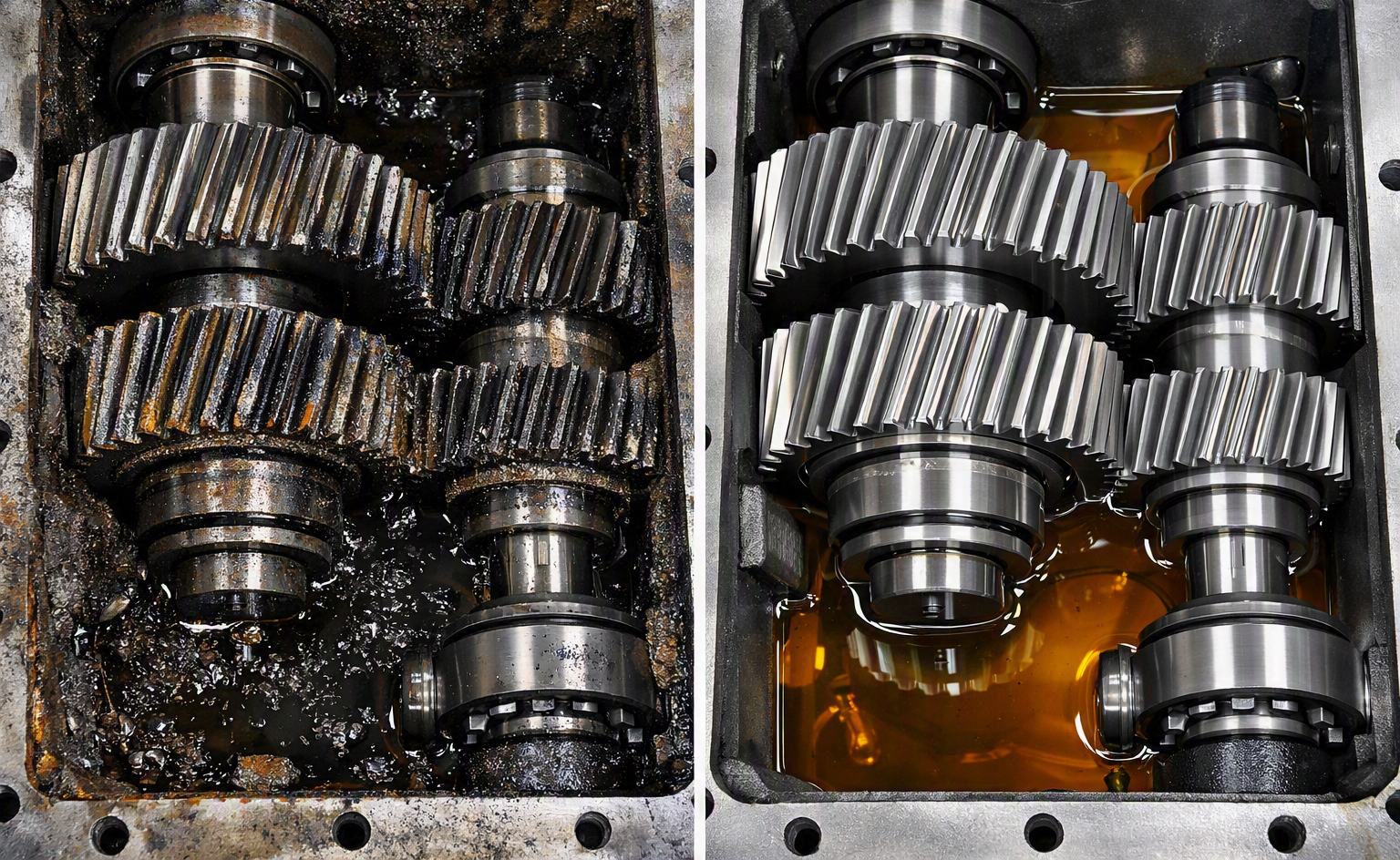
Sanitary design isn't just about using a stainless steel frame. It's the engineering of every surface to be cleanable at a microbiological level. We focus on eliminating "dead zones," which are areas where product or moisture can collect and remain untouched by standard cleaning sprays. These zones are where pathogens like Listeria, Salmonella, and E. coli colonize and eventually contaminate your product stream.
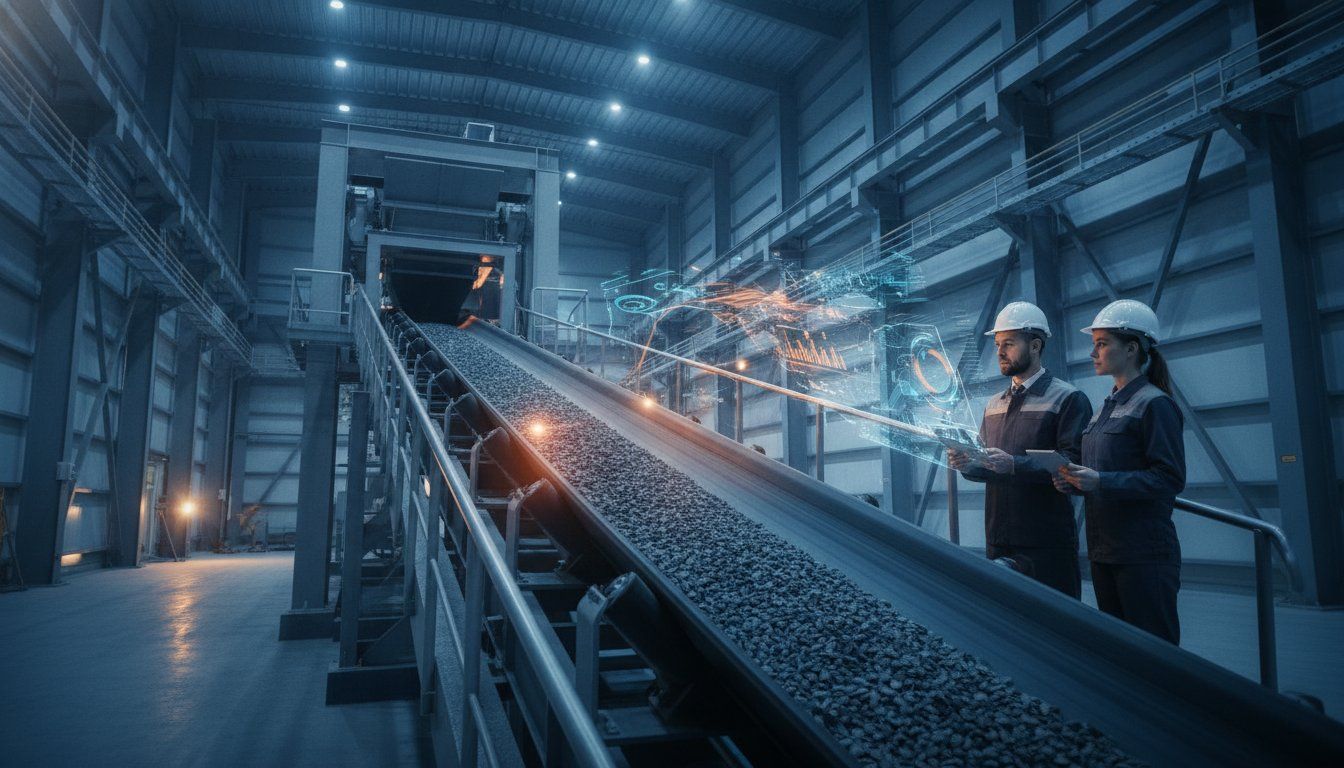
We treat sanitary conveyor design for food processing as a holistic discipline. When we specify belt conveyors for our clients,we look at the interaction between the frame, the belt, and the drive components. Our export experience since 1950 helps us identify which global components meet the highest hygiene standards across six continents.
FSMA, 3-A, and USDA: Navigating the Regulatory Landscape
The Food Safety Modernization Act (FSMA) shifted the industry from a reactive stance to a preventive one. Specifically, FSMA Rule 204 now mandates stricter traceability, with a final compliance date of July 20, 2028. We help you design systems that simplify the data collection and physical cleaning required to stay compliant with these evolving FDA mandates.
We also look to 3-A Sanitary Standards and USDA guidelines to define "Food Zones" versus "Non-Food Zones." A Food Zone is any surface that comes into direct contact with the product. These areas must have a surface finish of 32 microinches / 0.8 micrometers Ra or better to prevent microscopic pitting. Many conveyor systems fail inspections because their "Non-Food Zones," like the underside of the frame, are neglected and become breeding grounds for bacteria.
The True Cost of Hygiene Failures
The financial stakes are high. A single product recall can be very costly in direct costs alone. Beyond the immediate loss, improper design increases your daily operational overhead. If your sanitation team spends four hours cleaning a line that should take two, you're losing significant throughput.
The sanitation window is the time allocated between production shifts for deep cleaning. We aim to maximize your uptime by reducing the complexity of this window. By eliminating threaded parts in the food zone and using open-frame designs with stand-offs of at least 1 inch / 25.4 mm, we help you achieve faster, more effective washdowns.
Engineering Geometry: Eliminating Microbial Harbours
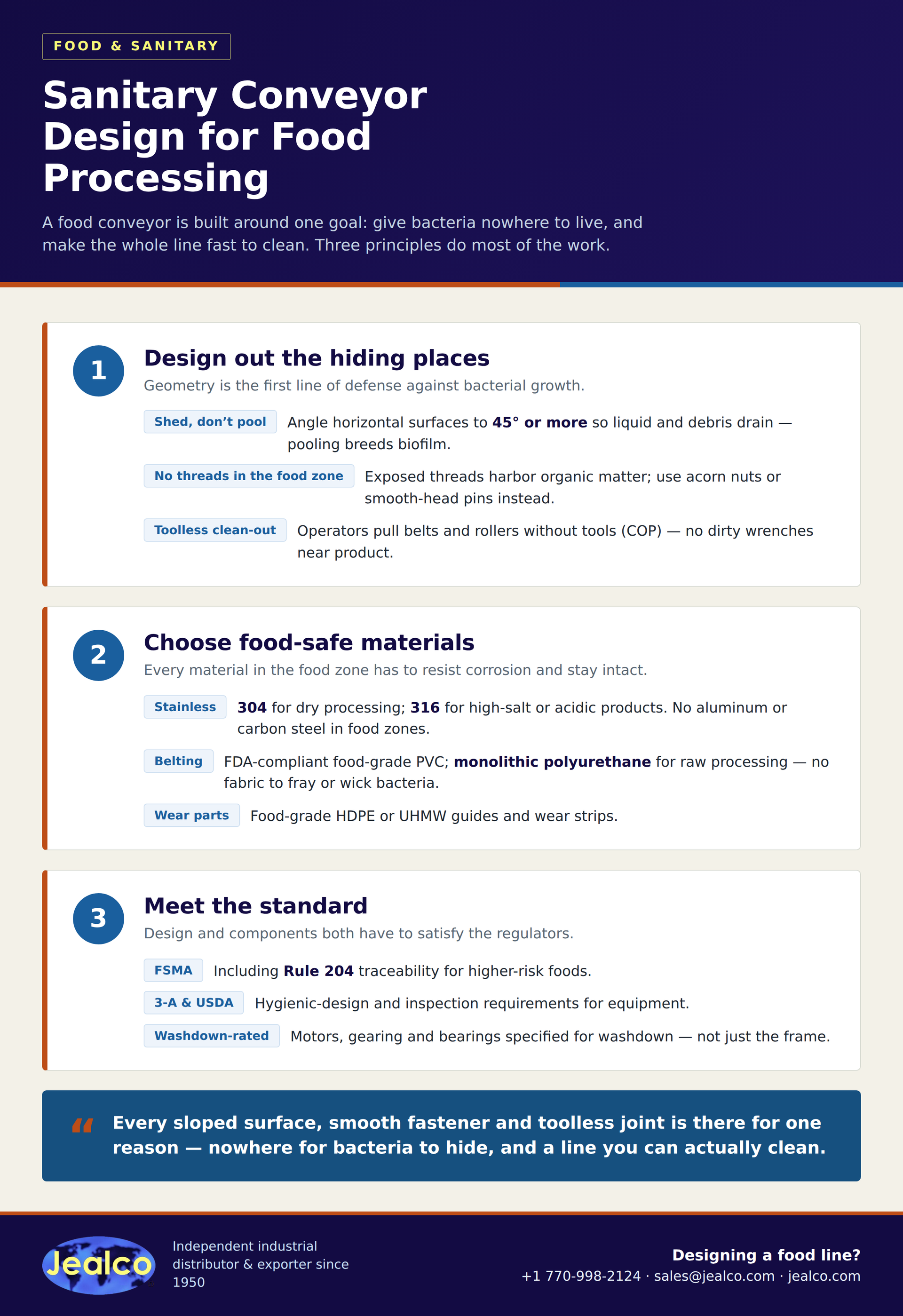
Engineering geometry serves as the first line of defense against bacterial growth. We apply the "Shedding Design" principle to every structural element of the frame. All horizontal surfaces are angled to at least 45 degrees to ensure liquids and food debris drain away immediately. Liquid pooling is a primary risk factor for biofilm development, and angled geometry prevents these reservoirs from forming during production or washdown.
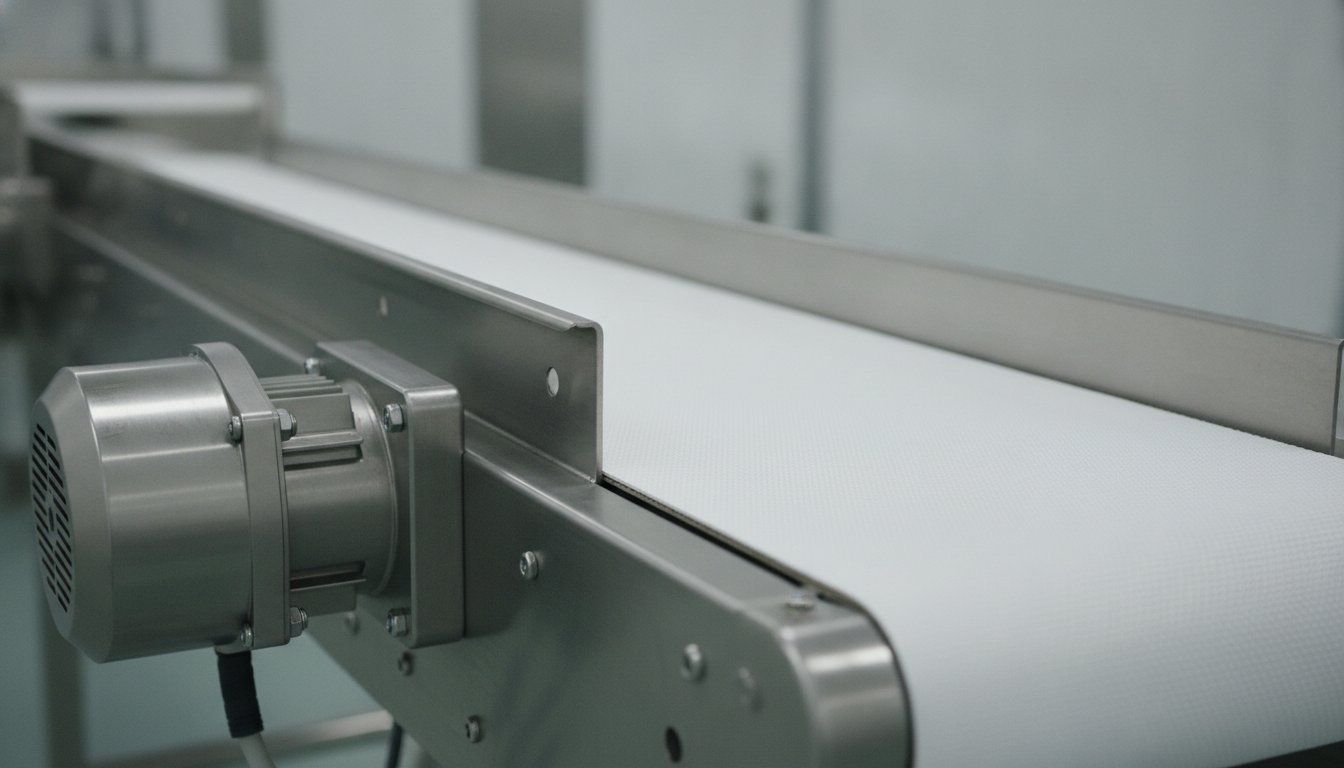
In sanitary conveyor design for food processing , we prioritize accessibility over structural complexity. We recommend open-frame construction because it allows for total visual inspection. If your sanitation team can't see a surface, they can't verify it's clean. For components that must be enclosed, we use hermetically sealed tubing with continuous, ground-smooth welds to prevent internal moisture ingress.
We eliminate mated surfaces by using stand-offs of at least 1 inch / 25.4 mm for all frame attachments. This gap allows high-pressure sanitizing sprays to reach behind brackets and motor mounts. Additionally, we specify a surface finish of 32 microinches / 0.8 micrometers Ra for all stainless steel in the food zone. This level of smoothness prevents microscopic pitting where bacteria can hide from chemical sanitizers.
Material Selection: 304 vs. 316 Stainless Steel
We specify 304 stainless steel for most dry processing applications. However, we use 316 stainless for environments involving high-salt or acidic products due to its superior molybdenum content and corrosion resistance. Aluminum and carbon steel are strictly prohibited in food zones because they oxidize and flake into the product stream. For high-wear areas, we integrate food-grade plastics like HDPE or VHMW for guides and wear strips. If you're unsure which material suits your specific product chemistry, consult our sales team for a technical review.
Toolless Disassembly and Accessibility
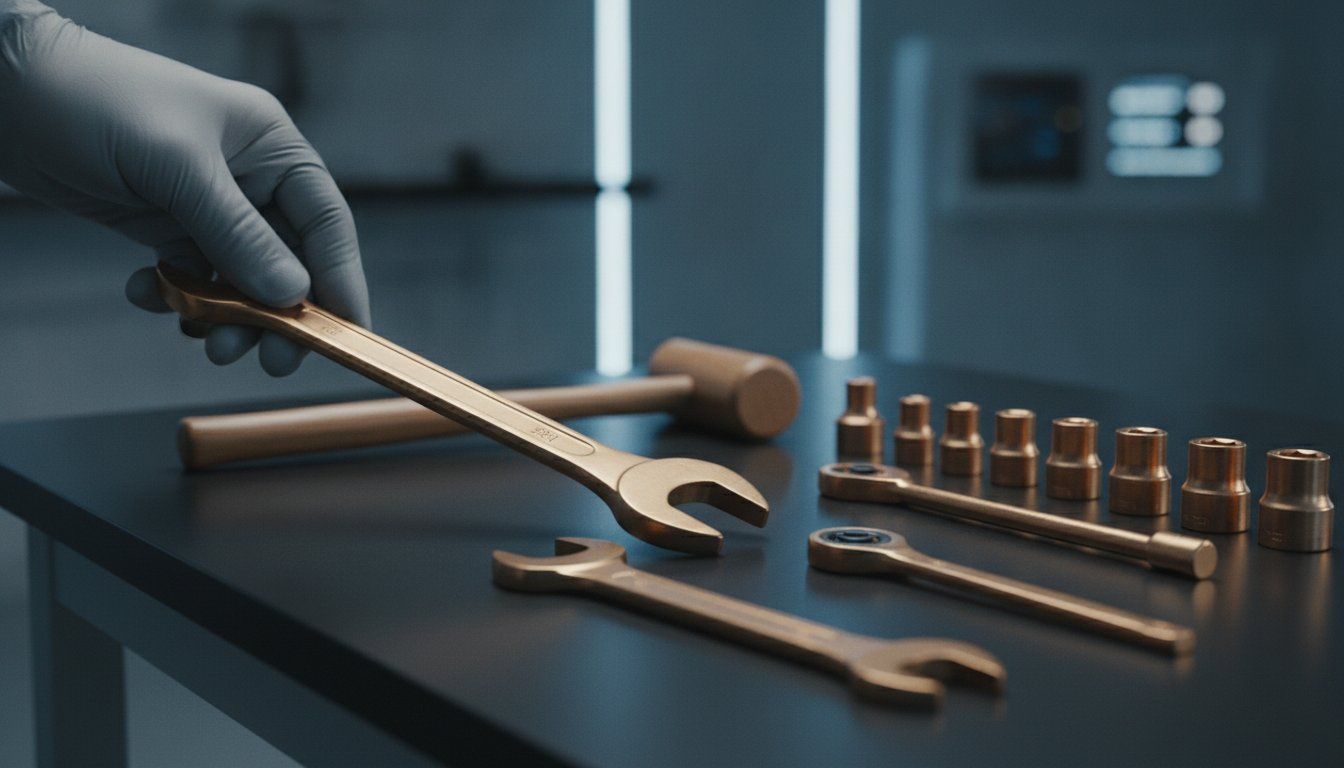
Designing for Clean-Out-of-Place (COP) is essential for rapid sanitation cycles. Effective sanitary conveyor design for food processing relies on allowing operators to remove belts and rollers without using specialized tools. This accessibility reduces the risk of cross-contamination from dirty wrenches or hand tools. We also eliminate threaded fasteners in the food zone. Exposed threads are notorious "niche points" that harbor organic matter, so we use acorn nuts or smooth-head pins to maintain a hygienic profile.
Component Selection: Belting, Motors, and Bearings for Washdown
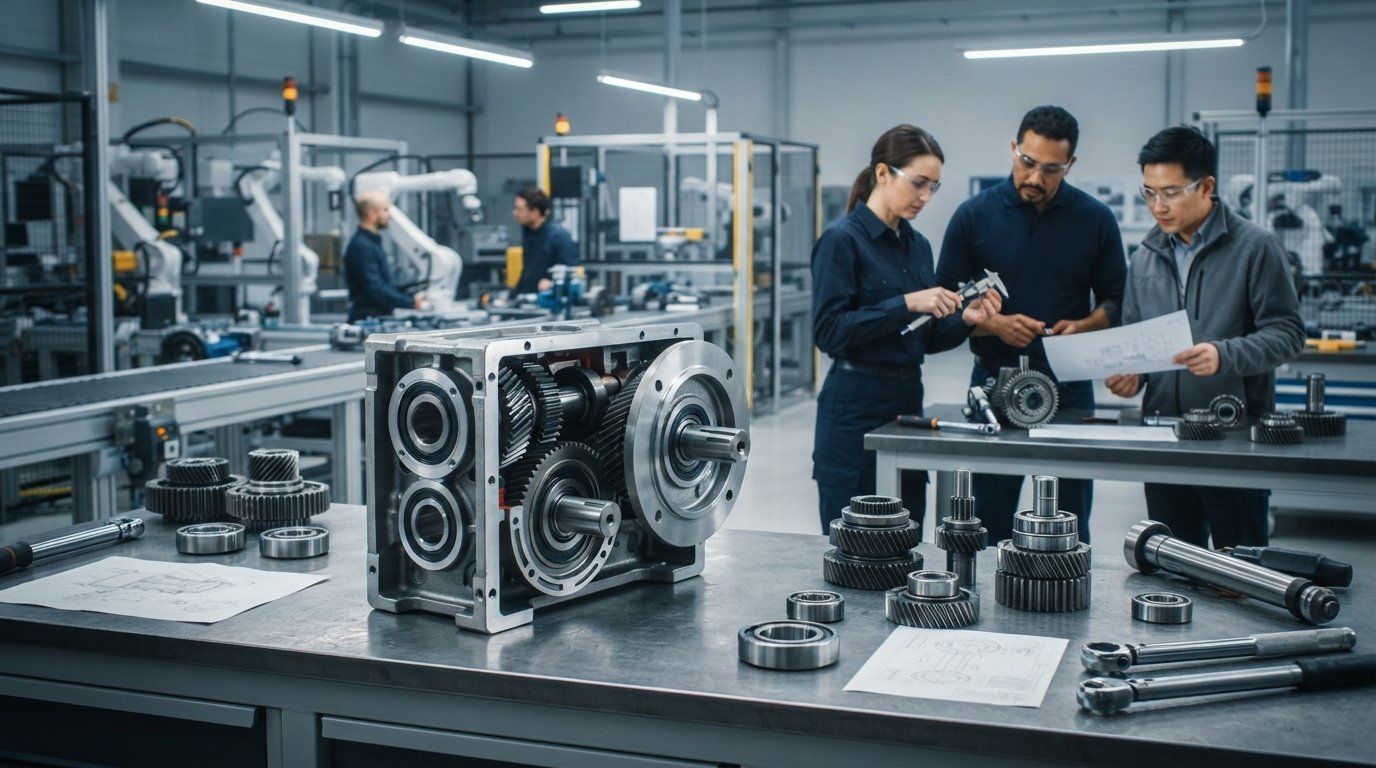
While frame geometry is critical, the mechanical components often dictate the system's longevity. A frequent failure point in sanitary systems is the motor or bearing, not the stainless steel frame itself. Standard industrial components cannot withstand the daily thermal shock and corrosive chemical exposure of a high-pressure washdown environment. Therefore, effective sanitary conveyor design for food processing requires a component-first engineering approach.
We use our export experience since 1950 to source specialized parts that meet global hygiene standards. Because we are independent of brand-specific agreements, we select components based solely on their technical performance in your specific environment. This allows us to provide consultative sourcing for mid-market processors who need robust solutions without the constraints of a single-brand ecosystem.
Food-Grade Belting: PVC vs. Monolithic Polyurethane
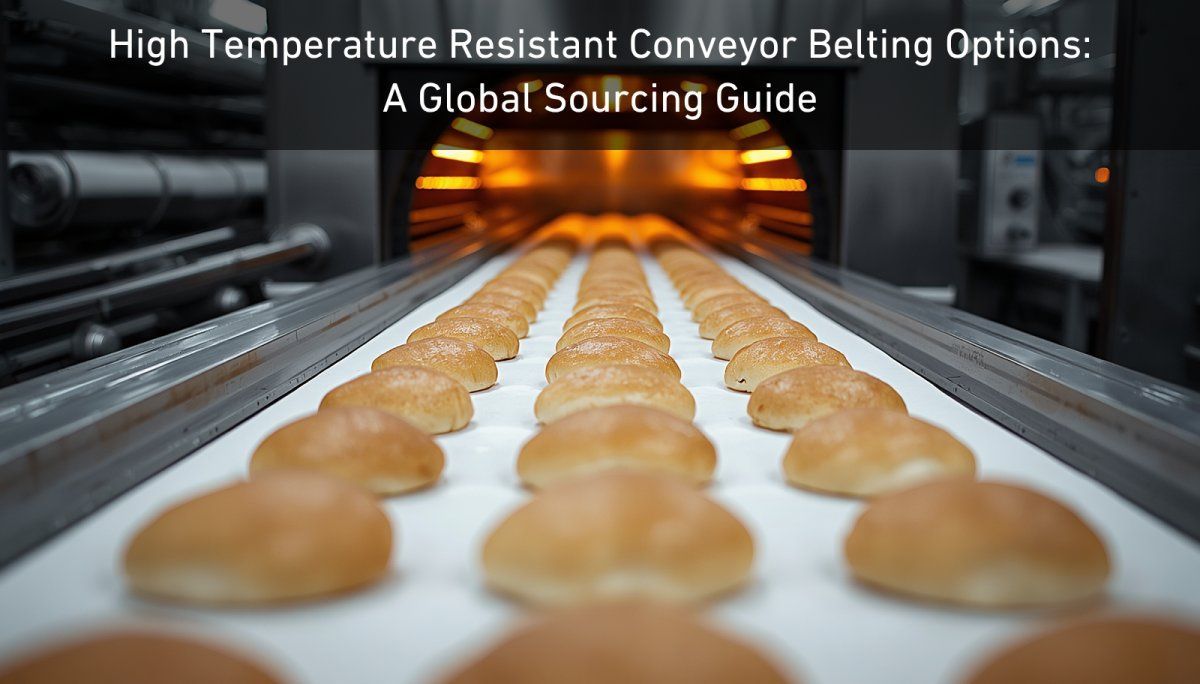
We often recommend FDA-compliant food-grade conveyor belting and solid woven PVC conveyor belting for its superior antimicrobial properties and durability. For downstream packaging lines, light-duty conveyor belting provides a cost-effective solution. However, raw processing requires monolithic polyurethane to prevent fabric fraying and bacterial wicking. We specify materials that maintain structural integrity across wide temperature ranges, typically from -20°F / -29°C to 200°F / 93°C.
Power Transmission: Gearing and Motors
Power transmission must be hermetically protected to survive the sanitation window. We specify electric motors with IP69K ratings, which are tested to withstand high-pressure water jets at 1,450 psi / 100 bar and temperatures of 176°F / 80°C. Standard IP65 motors often fail when seals degrade under chemical stress, leading to internal condensation and motor burnout.
Our selection of gearing products focuses on leak-proof designs to prevent food contamination from industrial lubricants. Drum motors are increasingly popular for raw food lines because they eliminate external drive chains and sprockets. This reduction in moving parts significantly decreases the number of surfaces your team must clean and inspect daily.
Bearings are notorious for being bacterial harborages. We recommend solid-lube, stainless steel housings for grease-free operation. Traditional grease can leak or become a trap for organic debris during production. Solid-lube technology fills the entire bearing cavity, leaving no room for moisture or bacteria to enter the housing.
Global Procurement Strategies for Sanitary Systems
Procurement is the invisible pillar of sanitary conveyor design for food processing . While the physical layout dictates hygiene, the sourcing strategy determines the long-term operational resilience of the system. The independence of Jealco International, Inc. allows us to source the best part for the application, regardless of the manufacturer, ensuring that your production lines aren't vulnerable to a single supplier's inventory shortages.
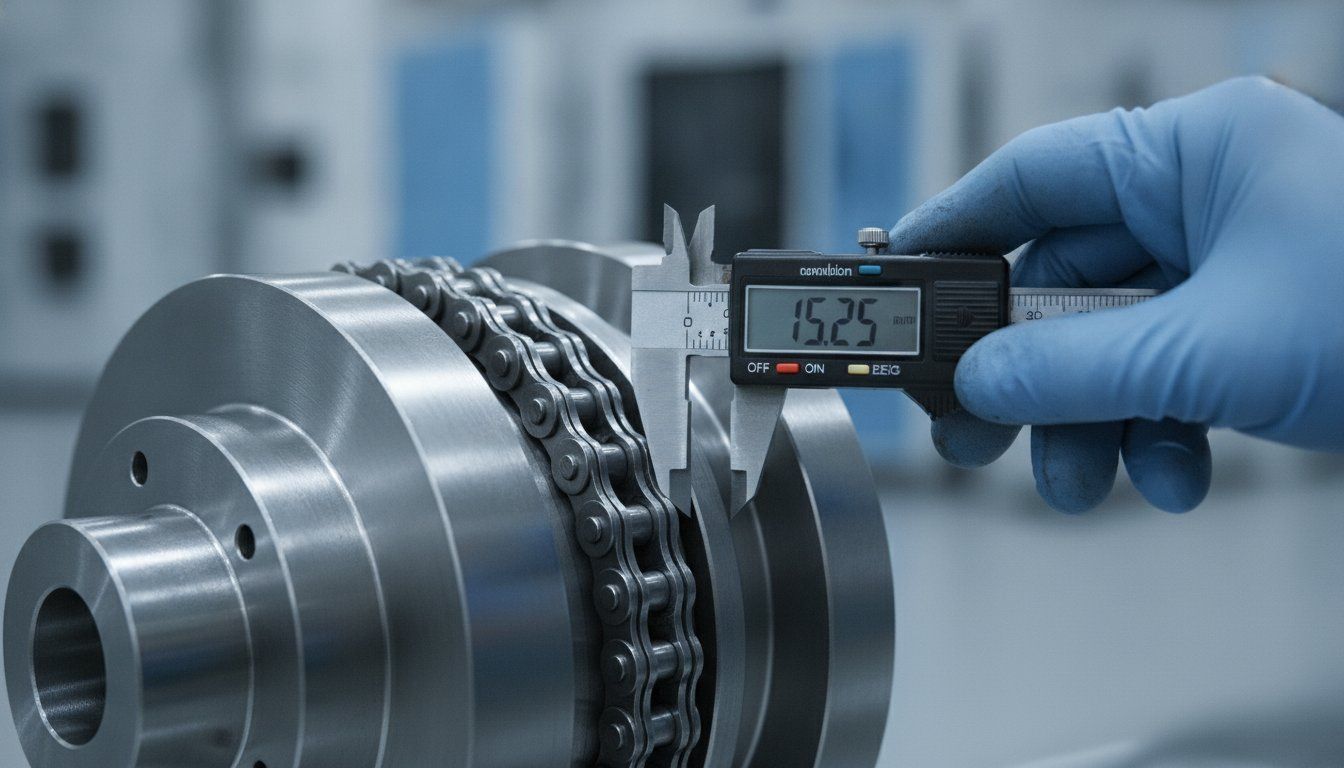
We bridge the gap between regional manufacturing standards by stocking both imperial and metric components. For example, we provide sprockets and chains in various pitches to maintain equipment manufactured in both North America and Europe. Having a partner who understands the technical difference between a 0.5 inch and a 12.7 mm pitch prevents catastrophic installation errors during emergency repairs.
Component Interchangeability and Maintenance
We focus on eliminating the "proprietary trap" that often forces facilities into expensive, long-term service contracts. By sourcing universal components that meet or exceed original specifications, we ensure your maintenance team can find replacements quickly. Stocking critical belting accessories like lacing or tracking guides is vital for 24/7 plants that cannot afford to wait weeks for a brand-locked shipment.
We source specialized sanitary parts for mid-market facilities that need precise solutions. This policy ensures you can order a single washdown motor or a specific bearing set with the same level of technical consultation we provide for a multi-line system overhaul.
Logistics for the Global Food Processor
Moving industrial hardware across borders requires deep expertise in weight limits and customs documentation. We manage shipments of heavy components, such as conveyor rollers, ensuring they reach their destination without logistics-related delays. Our export experience since 1950 covers six continents, giving us a unique perspective on global MRO sourcing for the food industry.
We handle the complexities of international shipping incoterms so you don't have to worry about the fine print. Whether your facility is in South America, Southeast Asia, or Europe, we ensure the documentation for food-grade certifications is accurate and complete. If you need assistance navigating international component sourcing, contact our global logistics team for a consultative review of your supply chain.
The Independent Advantage in Food-Grade Material Handling
Choosing an independent distributor over an Original Equipment Manufacturer (OEM) provides a distinct engineering advantage. OEMs are inherently biased toward their own product lines, which may not always be the optimal choice for your specific sanitary conveyor design for food processing . We provide an objective perspective that prioritizes your facility's operational efficiency and ROI over brand-specific sales quotas.
Our consultative process begins with identifying the right belt conveyors based on your product's unique chemistry. Whether you're handling high-acid citrus or oily proteins, we select materials that won't degrade under specific chemical stress. We help troubleshoot legacy systems, often finding ways to retrofit existing lines with modern, hygienic components without requiring a full system replacement.
Consulting Beyond Brand Agreements
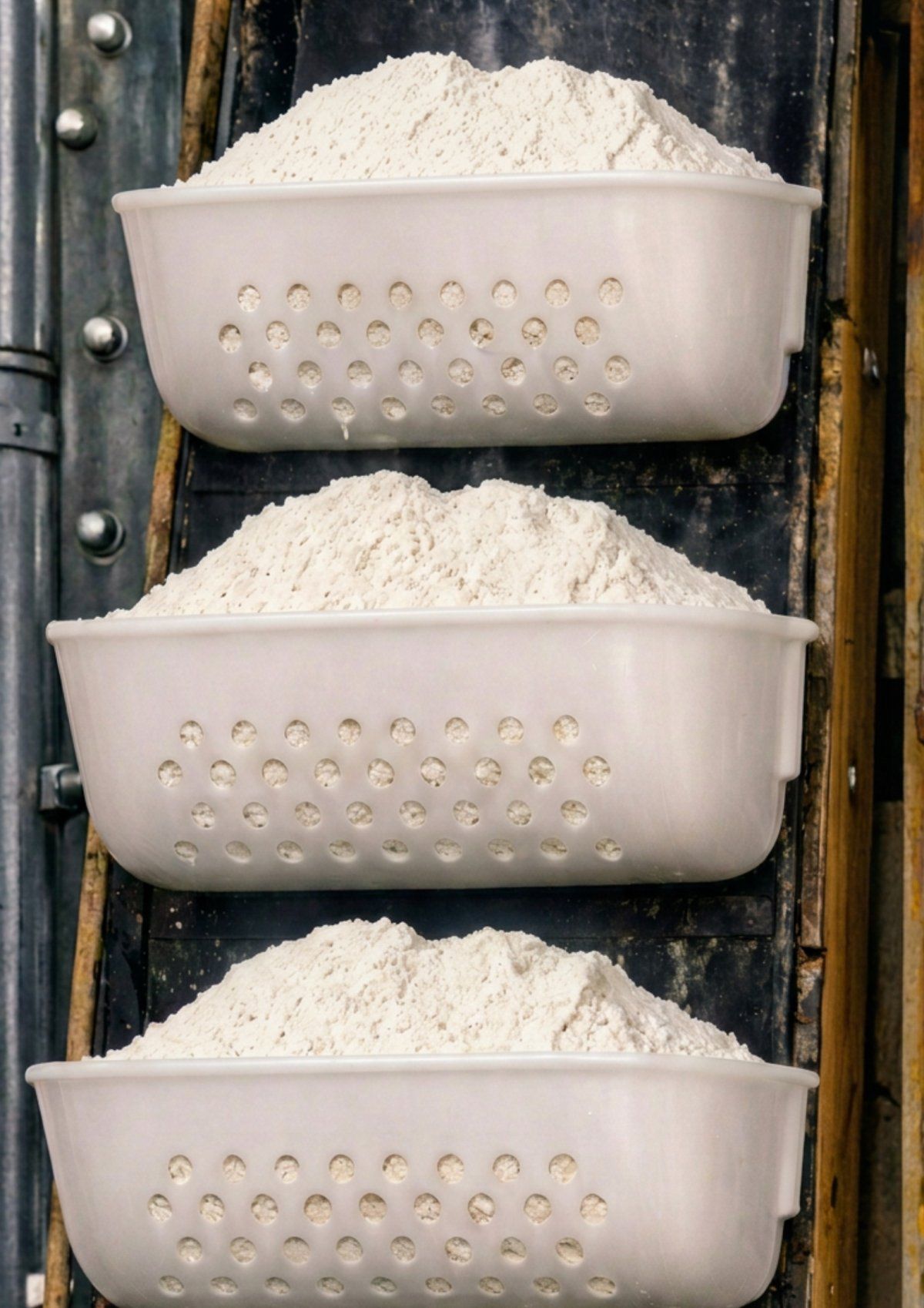
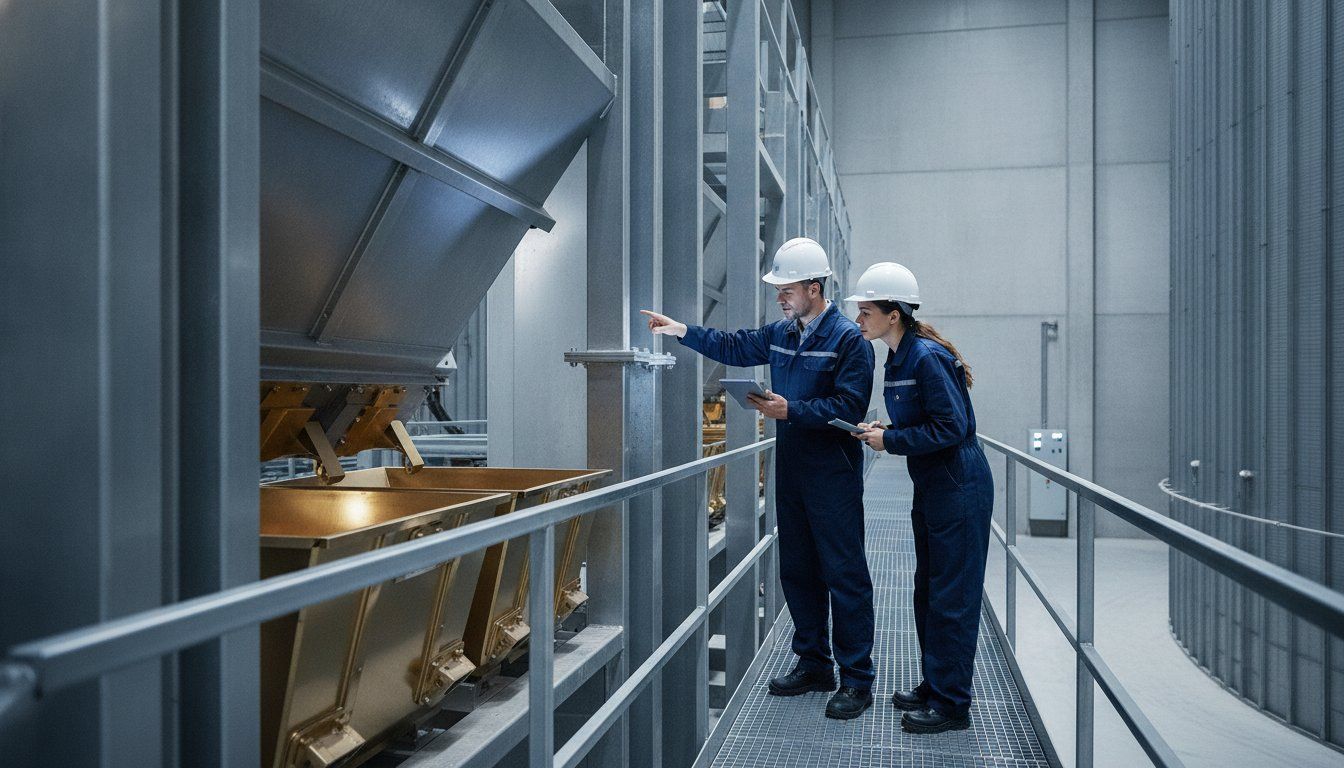
We compare multiple manufacturers to find the best technical fit for your application. This independence is especially valuable when customizing elevator buckets for vertical sanitary transport. If you need a specific bucket size, such as a 12 inch / 305 mm width, we source the exact specification without forcing you into a standard catalog item that doesn't fit your throughput requirements.
We also solve the "small order" problem that plagues many mid-market processors. Large distributors often lack the technical staff to consult on custom builds or small-scale maintenance projects. We provide expert engineering support for every buyer, regardless of the order size. We understand that a single failed bearing or a snapped 50 lb / 22.7 kg roller can halt your entire production line just as effectively as a major motor failure.
Partnering with Jealco for Long-Term Success
Our family-owned structure ensures that you receive personalized service from engineers who understand the nuances of food safety. You can access our online catalog for immediate access to component specifications and technical drawings. This transparency allows your team to make informed procurement decisions quickly, reducing lead times for critical repairs and ensuring long-term maintenance through independent component sourcing.
We combine the agility of a specialized consultant with the reach of a global logistics network. This hybrid approach allows us to support your facility locally while sourcing high-performance components from six continents. We're committed to your operational success and regulatory compliance. If you're ready to optimize your facility's hygiene and efficiency, contact Jealco International for a sanitary component consultation today.
Optimizing Your Facility for the Next Generation of Food Safety
We've demonstrated that sanitary conveyor design for food processing is a rigorous engineering discipline that requires a holistic approach. By prioritizing shedding geometry and selecting IP69K-rated components, you can reduce cleaning times while supporting FSMA compliance. These technical strategies eliminate microbial dead zones and protect your facility from the catastrophic financial and reputational costs of a product recall.
Our export experience since 1950 and global logistics support on six continents allow us to source high-performance parts without the constraints of brand-specific agreements. We provide consultative support for mid-market processors, with both metric and imperial components. This independence ensures you always receive the most durable, food-safe solution for your specific application chemistry.
Request a Technical Consultation for Your Sanitary Conveyor Components to begin optimizing your production lines for maximum hygiene and throughput. We look forward to partnering with you to achieve long-term operational excellence and uncompromising food safety standards.
Frequently Asked Questions
What is the difference between food-grade and sanitary conveyor design?
Food-grade design focuses primarily on ensuring that materials in direct contact with the product are non-toxic and non-absorbent. In contrast, sanitary conveyor design for food processing goes much further by eliminating microbial harborages through specific geometry and cleanable construction. While a food-grade belt is safe for contact, a sanitary system ensures that the entire frame, bearings, and motor are engineered to prevent pathogen colonization and allow for deep cleaning.
What are the most common materials used in sanitary conveyor construction?
The primary materials include 304 and 316 stainless steel for the structural frames and monolithic polyurethane or solid woven PVC for the belting. We specify 316 stainless steel for environments involving high-salt or acidic products due to its superior corrosion resistance. For wear strips and guides, we utilize food-grade plastics like HDPE and UHMW, which provide low-friction performance without the risk of flaking or contaminating the product stream.
How do I ensure my conveyor belt meets FDA and USDA requirements?
You must verify that every component has a Letter of Guarantee from the manufacturer stating compliance with FDA Title 21 CFR or USDA guidelines. We assist our clients by sourcing components with 3-A Sanitary Standards certification, which ensures the equipment meets rigorous cleanability benchmarks. 3-A Sanitary Standards generally call for product-contact surfaces of 32 microinches / 0.8 micrometers Ra or smoother.
What is an IP69K rating and why is it important for food processing?
An IP69K rating signifies that a component is protected against high-pressure water jets at 1,450 psi / 100 bar and temperatures of 176°F / 80°C. This is the gold standard for washdown environments where standard IP65 or IP66 enclosures would fail. We recommend IP69K-rated motors and sensors to prevent internal condensation and premature electrical failure during the aggressive daily sanitation cycles required in meat and dairy facilities.
Can I retrofit an existing conveyor to make it sanitary?
You can retrofit specific components, such as replacing standard rollers with stainless steel versions or upgrading to antimicrobial belting. However, retrofitting a non-sanitary frame is often more expensive in labor and downtime than implementing a new sanitary conveyor design for food processing . We typically recommend retrofitting power transmission components, like washdown motors, to extend the life of existing lines while significantly improving your facility's hygiene profile.
What are the best practices for cleaning a sanitary conveyor system?
Effective cleaning relies on toolless disassembly for Clean-Out-of-Place (COP) and maintaining a 1 inch / 25.4 mm stand-off for all frame-mounted hardware. These gaps allow sanitizing sprays to reach behind components where bacteria often hide. We suggest a structured five-step process: dry pick-up, initial rinse, detergent application, detail cleaning, and a final sanitizing rinse to ensure total microbial control across the entire line.
How does sanitary design impact the Total Cost of Ownership (TCO)?
While sanitary systems have a higher initial purchase price, they reduce the Total Cost of Ownership by lowering labor costs and minimizing downtime. A shorter cleaning window translates into more production time. Investing in hygienic design also reduces recall risk, making it a sound decision for any mid-market processor.
Does Jealco International ship sanitary components to Europe and Asia?
We ship specialized sanitary components to customers on six continents, including throughout Europe and Asia. Our export experience since 1950 ensures that all international documentation and customs requirements are handled accurately and efficiently. We source specialized sprockets, chains and motors for your facilities worldwide, across brands.
Need parts or a quote?
Jealco has supplied industrial equipment and parts since 1950, in the U.S. and for export worldwide. Send us your part number, size or application and we'll quote it.
Prefer to talk? Call +1 770-998-2124. Hablamos español.
Recent Posts