Mastering Material Handling Equipment: A Guide to Industrial Efficiency

May 6, 2026

Table of Contents

The Backbone of Industry: What is Material Handling Equipment?

Material handling equipment (MHE) is the essential machinery used in every manufacturing and distribution process. It bridges the gap between raw materials and finished products, forming the physical infrastructure of the supply chain.

The primary goal is simple: move goods safely, efficiently, and at a low cost. To ensure global clarity for all operations, technical specifications are often provided in both Imperial (inches/lbs) and Metric (mm/kg) measurements. ( What is Material Handling Equipment?)

The Four Pillars of Material Handling

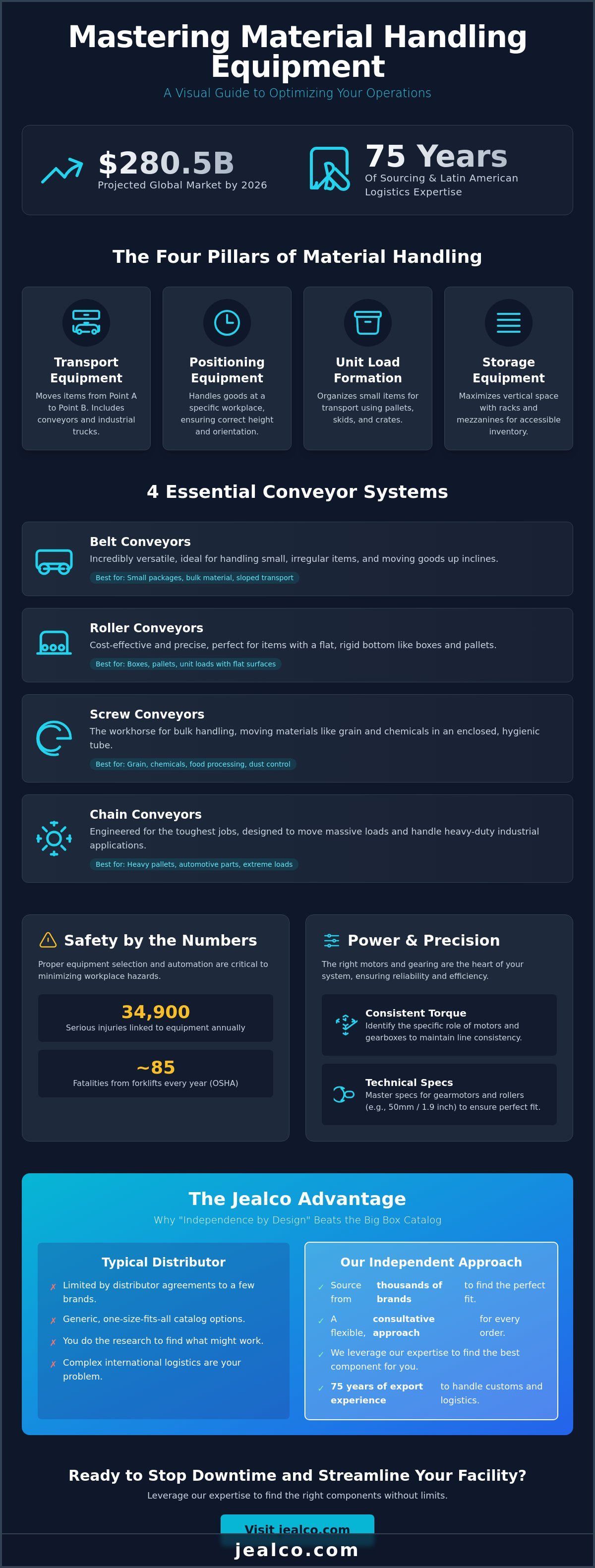
Every piece of MHE falls into one of four main categories:

  • Transport Equipment: This includes machines that move items from one location to another. Conveyors, cranes, and industrial trucks are common examples.
  • Positioning Equipment: This gear handles materials at a single location, such as lift tables, hoists, and balancers that help workers manipulate items.
  • Unit Load Formation Equipment: These items are used to group smaller goods into a single, larger unit for easier handling. This includes pallets, skids, and crates.
  • Storage Equipment: This category is used for holding materials between processes, such as racks, shelves, and mezzanines that maximize vertical space.

Why Efficiency Matters for Your Bottom Line

Investing in the right material handling equipment directly impacts profitability. Strategic automation can reduce manual labor costs and improve throughput. More importantly, it enhances worker safety by minimizing heavy lifting and repetitive strain.

Moving Goods Effectively: 4 Essential Conveyor Systems

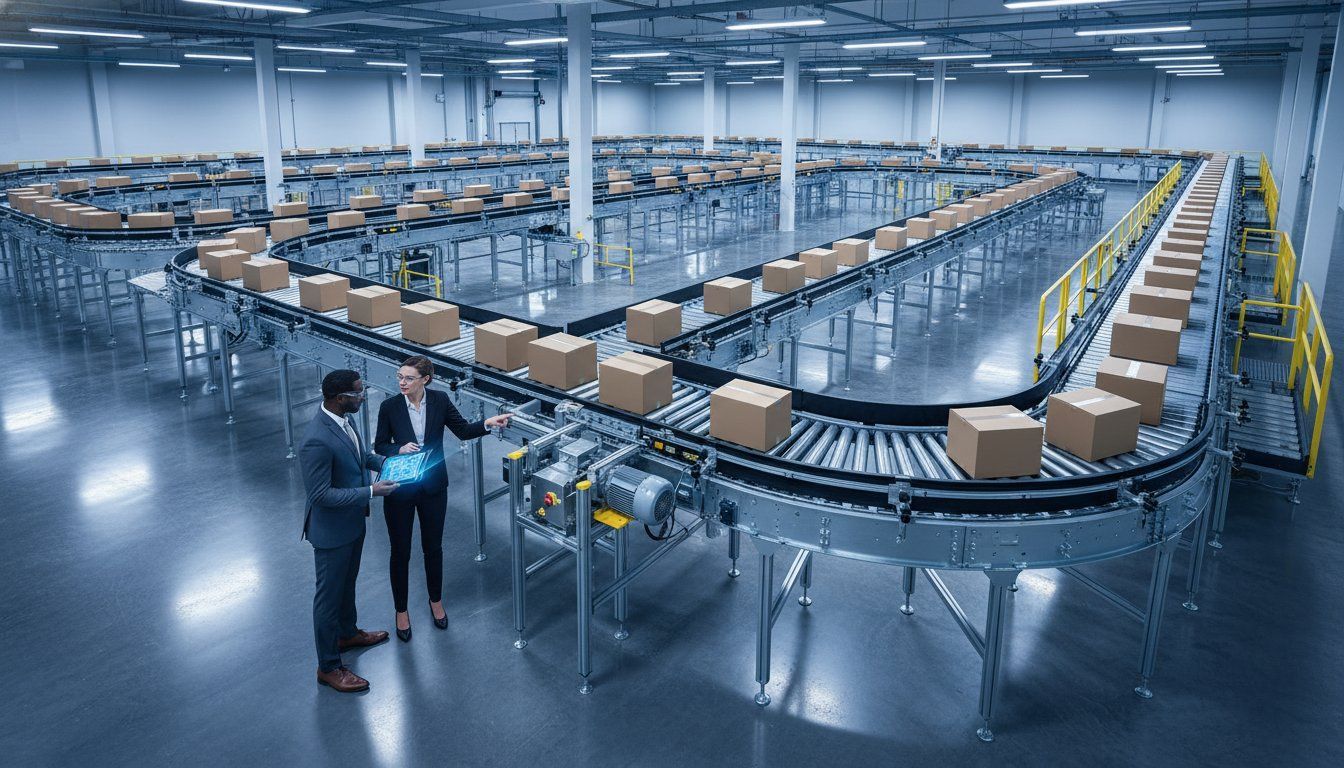
Conveyors are the circulatory system of a warehouse or plant, providing a constant flow of materials. Choosing the right system is critical and depends on the product's weight, size, shape, and the operational environment.

Belt and Roller Conveyors

These two systems are among the most common in the industry. ( designing a cost-effective material handling system)

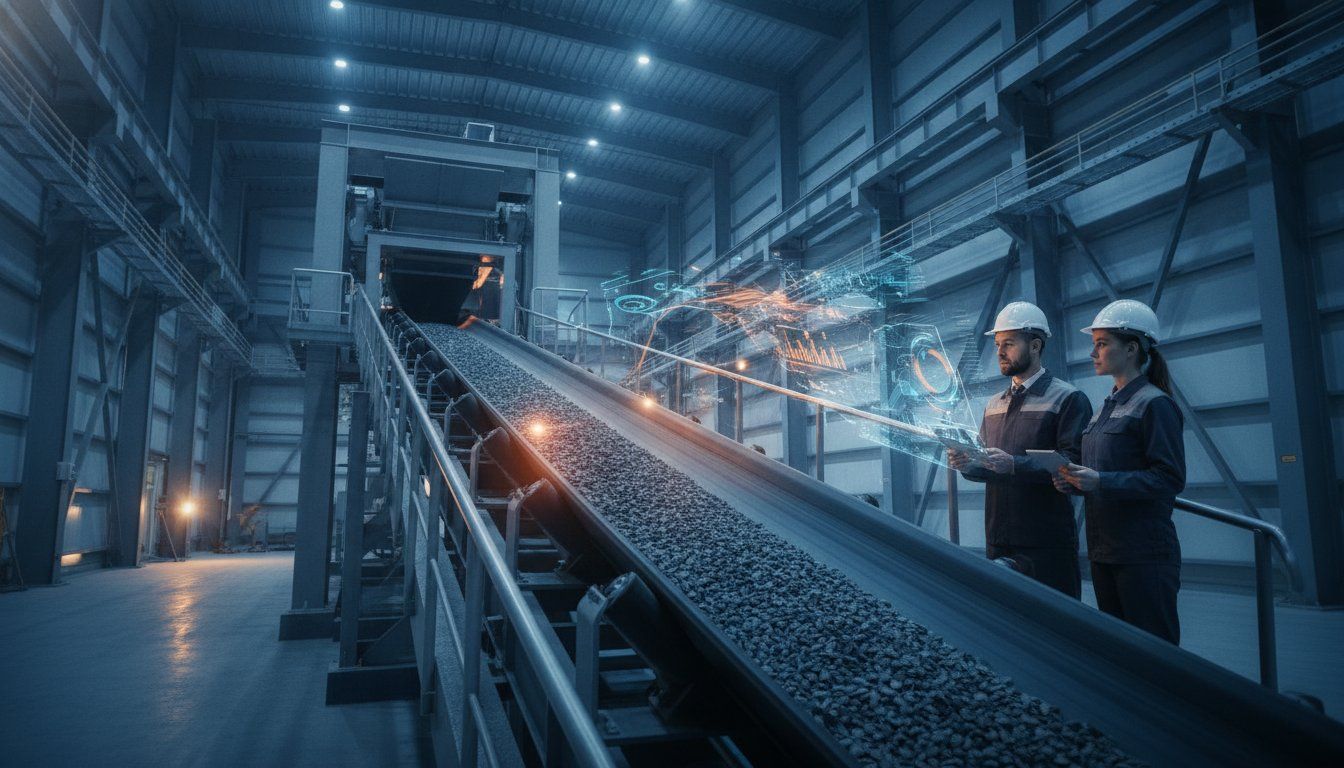
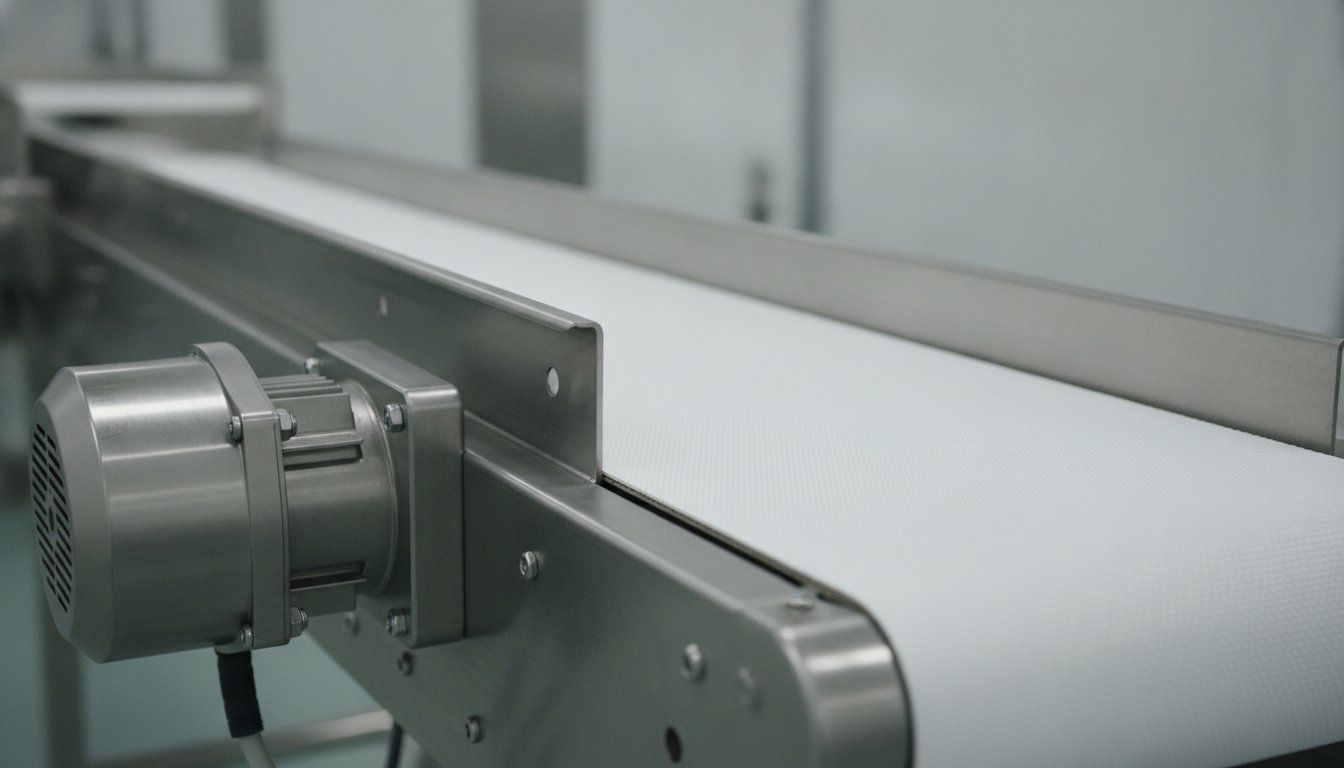
  • Belt Conveyors: A continuous belt provides a smooth surface ideal for moving small, loose, or irregularly shaped items. They are also excellent for incline or decline transport. For abrasive materials like stone or sand, specialized heavy-duty conveyor belting is necessary.
  • Roller Conveyors: These use a series of rollers to move packaged items like boxes, totes, and pallets. They can be powered for constant speed or use gravity to move items along a decline.

Screw and Chain Conveyors

For more demanding applications, screw and chain conveyors offer robust solutions.

  • Screw Conveyors: Also known as auger conveyors, these are the standard for moving bulk materials like grain, powders, and chemicals. A rotating helical screw blade moves material within a tube or trough.
  • Chain Conveyors: Built for the heaviest loads that would destroy a standard belt, such as pallets or industrial containers. They provide a durable, reliable transport method for rugged environments. For vertical bulk transport, these systems are often paired with elevator buckets.

Powering the System: The Role of Motors and Gearing

A conveyor system is only as reliable as the components that drive it. The motor, speed reducer, and gearing form the heart of any automated MHE, and matching their specifications to the load is crucial for preventing system burnout and downtime.

AC vs. DC Industrial Motors

The choice between an AC (Alternating Current) and DC (Direct Current) motor depends entirely on the application's needs. ( Material Handling Industry (MHI))

  • AC Motors: These are the workhorses of the industry, known for their durability, low maintenance requirements, and cost-effectiveness in standard, fixed-speed operations.
  • DC Motors: When an application requires precise speed control or high starting torque, DC motors are the ideal choice. They offer a level of variable control that AC motors cannot easily match. For a deeper look, see our guide on AC vs. DC industrial motors.

Gearing and Mechanical Components

Small parts play a big role in preventing catastrophic failures.

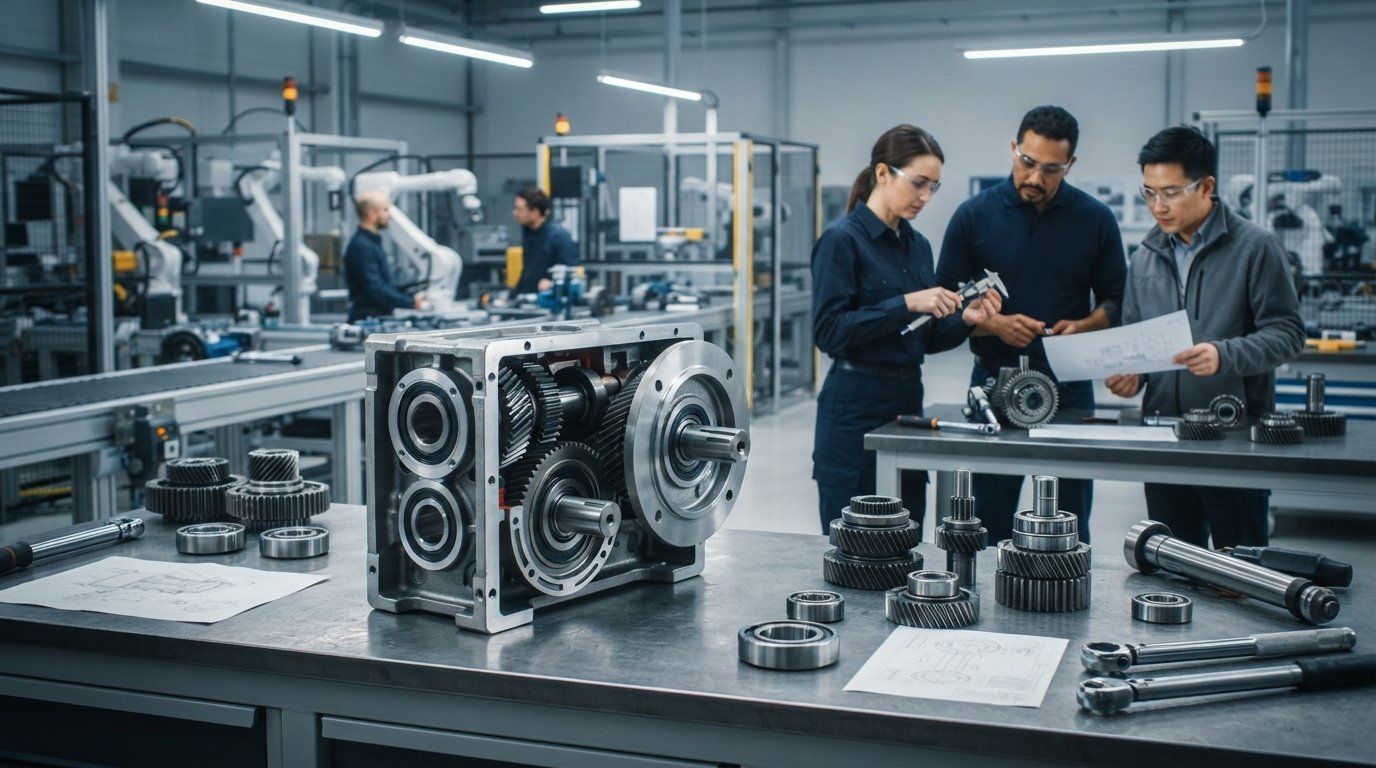
  • Speed Reducers: These are essential for managing the motor's output. They reduce speed while increasing torque, which is critical for getting a heavily loaded conveyor moving without stressing the motor.
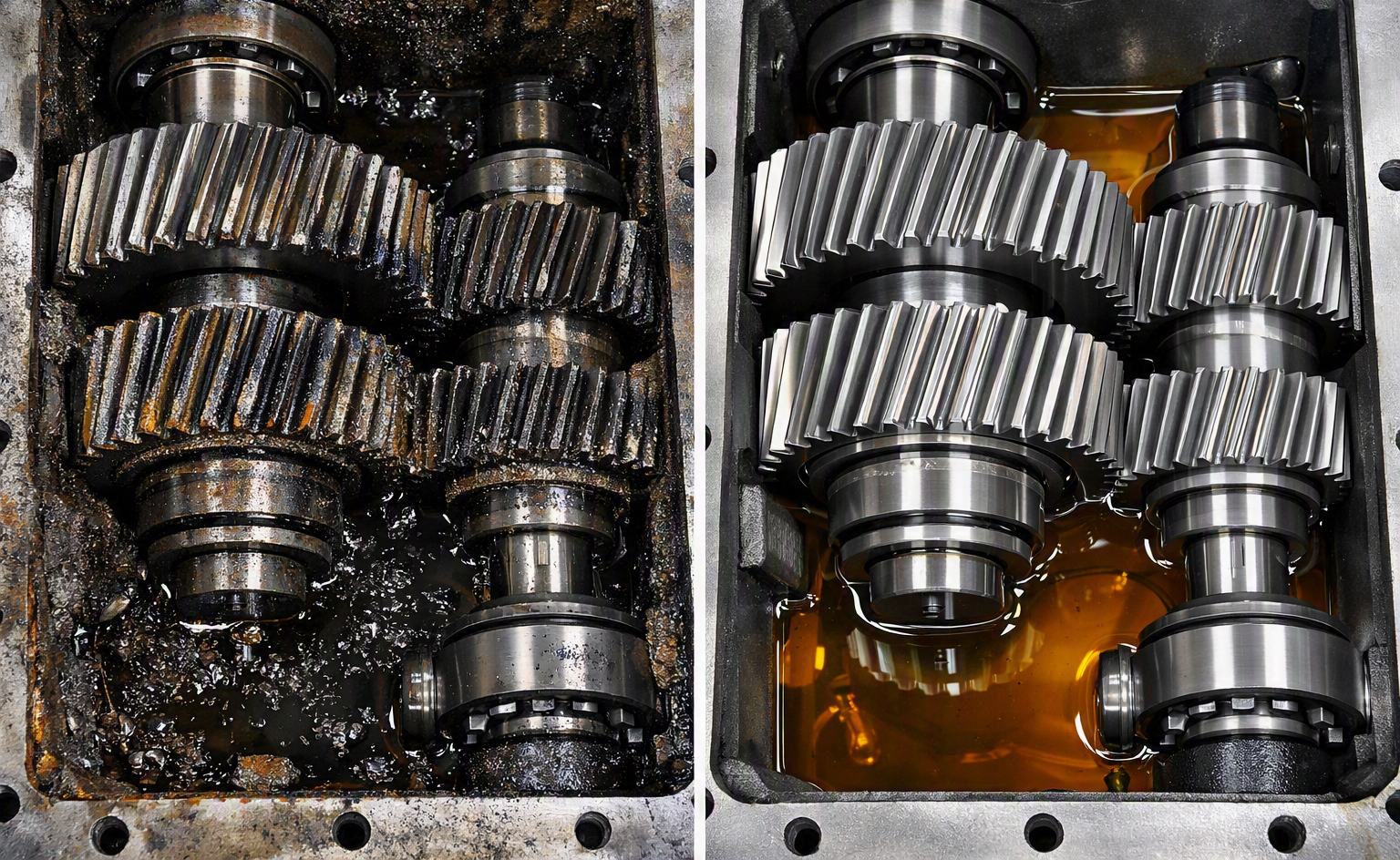
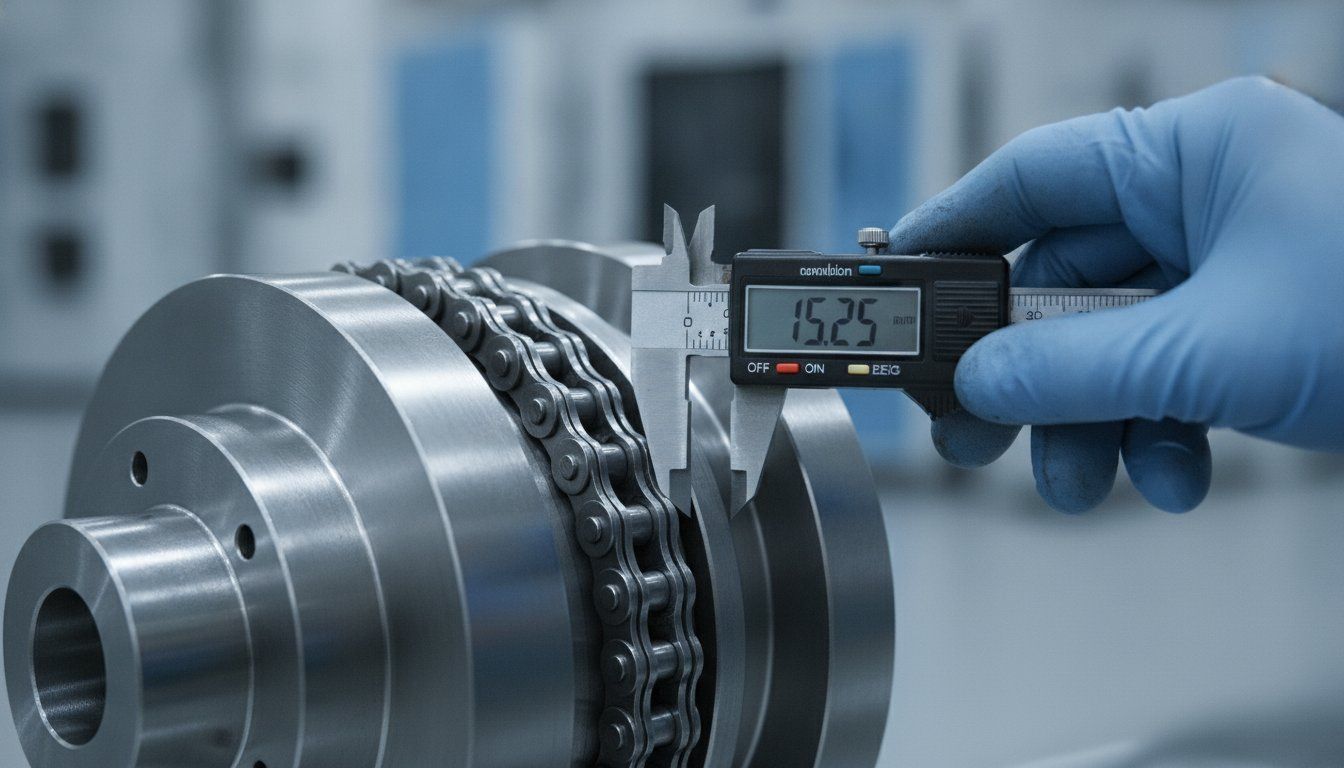
  • Bearings and Couplings: Industrial bearings allow for smooth rotation, while shaft couplings connect the motor to the gearbox. High-quality components in these roles are a small investment that prevents major breakdowns.

How to Choose the Right Equipment for Your Facility

Proper equipment selection should always start with the material being moved, not the machine itself. Before looking at catalogs, assess your load: Is it fragile, heavy, bulk, or palletized? Consider your environment as well—a food processing facility with wash-down requirements needs vastly different equipment than a dry parts warehouse.

A 5-Step Selection Framework

Follow this simple framework to guide your decision-making process:

  1. Calculate Load: Determine the maximum weight and dimensions (L x W x H) of the products you need to move.
  2. Determine Throughput: How fast do you need to move items? This is often measured in feet/meters per minute or units per hour.
  3. Map Your Space: Measure your available floor and ceiling space, noting any columns, turns, or elevation changes the equipment must navigate.
  4. Identify Power Requirements: Check your facility's available power, including Voltage, Phase, and Hz, to ensure compatibility.
  5. Plan for Maintenance: Consider the availability of spare parts and the expertise required for routine maintenance to ensure long-term reliability.

International Export and Logistics Expertise

Exporting heavy material handling equipment involves more than just shipping. It requires a deep understanding of international freight, customs documentation, and regional regulations. Working with a distribution partner with a long history of global shipping can prevent costly delays and ensure your equipment arrives cleared and ready for operation.

Why Independence by Design Beats the Big Box Catalog

Many industrial distributors are locked into contracts that limit them to selling specific brands. This can force you into a solution that is "good enough" rather than one that is perfect for your application. An independent sourcing model offers a significant advantage.

Our "independence by design" philosophy means we are not tied to any single manufacturer. We source from thousands of brands to find the exact component or system you need.

Custom Sourcing and Small Order Flexibility

We built our business by serving mid-market customers who need personalized service, not a chatbot. For 75 years, our family-owned approach has focused on finding the right fit, whether it's a single custom sprocket for an older machine or designing a complete conveyor system from scratch.

This consultative approach saves you money on the total cost of ownership by ensuring you get durable, reliable equipment that is perfectly matched to your needs.

Building a Long-Term Partnership

Ready to find the right material handling equipment for your operation? Browse our online catalog or contact us for a custom quote today!

Share this article

Recent Posts

By Jealco International, Inc. July 13, 2026
A visual estimate of chain slack is not a maintenance protocol; it is a recipe for catastrophic drive failure. You know the frustration of a snapped chain halting production during a critical shift because tensioning standards vary between technicians. We understand that inconsistent maintenance lea…
By Jealco International, Inc. July 6, 2026
What if your oven's peak temperature rating is actually the primary cause of your unscheduled downtime? Most facility managers believe they're buying sufficient thermal protection when they match a belt's peak rating to their process, but they're often inadvertently scheduling their next system fail…
By Jealco International, Inc. June 29, 2026
Did you know that over 60% of industrial conveyor failures stem directly from pulley-related issues? In our experience, these costly disruptions are often the result of improper material selection or worn traction surfaces. When your system suffers from persistent belt slippage in wet conditions, yo…
By Jealco International, Inc. June 22, 2026
Did you know that 80% of warehouses still operate without automation despite U.S. warehouse wages climbing by up to 9% in 2024? We recognize the strain that high labor turnover and rising recruitment costs place on your operational budget. You're likely also contending with unpredictable downtime fr…
By Jealco International, Inc. June 15, 2026
Why are your bearings reaching the end of their service life months before the manufacturer's L10 rating, even when your team follows every grease schedule to the letter? We know the frustration of unplanned downtime that drains thousands of dollars per hour from your production lines. In our experi…
By Jealco International, Inc. June 8, 2026
Why does a drive system that looks perfect on paper fail after only three months of heavy duty cycles? We've seen many operations managers struggle with frequent motor burnouts because their initial specifications didn't account for real-world torque spikes or the heat generated by a 100 lb / 45.3 k…
By Jealco International, Inc. June 1, 2026
Why are you still designing your facility around a single manufacturer's proprietary track when brand-independent sourcing is the key to a truly resilient supply chain? We know the frustration of managing limited floor space while facing delays from brand-locked manufacturers who can't meet your pro…
By Jealco International, Inc. May 25, 2026
In a hazardous location, a single spark is all it takes to trigger a catastrophic event. While engineers rightly focus on specifying explosion-proof motors and drive components, a frequently overlooked ignition source is the simple hand tool used for routine maintenance and adjustments. A standard s…
By Jealco International, Inc. May 18, 2026
Selecting a belt based on brand recognition rather than rigorous engineering specifications is the most common reason for premature failure in high-impact environments. You've likely dealt with the operational headache of a belt with 8 mm / 0.31 inch covers wearing thin because the compound wasn't p…
By Jealco International, Inc. May 11, 2026
What if the motor isn't your most expensive component? It's actually the sixty minutes your line spent sitting idle this morning. Downtime often costs thousands of dollars every hour. We know the stress of finding custom-sized belts or interpreting complex regulations. You likely believe that a mec…
Show More