Speed Reducer Lubrication Best Practices: Maximizing Gearbox Longevity
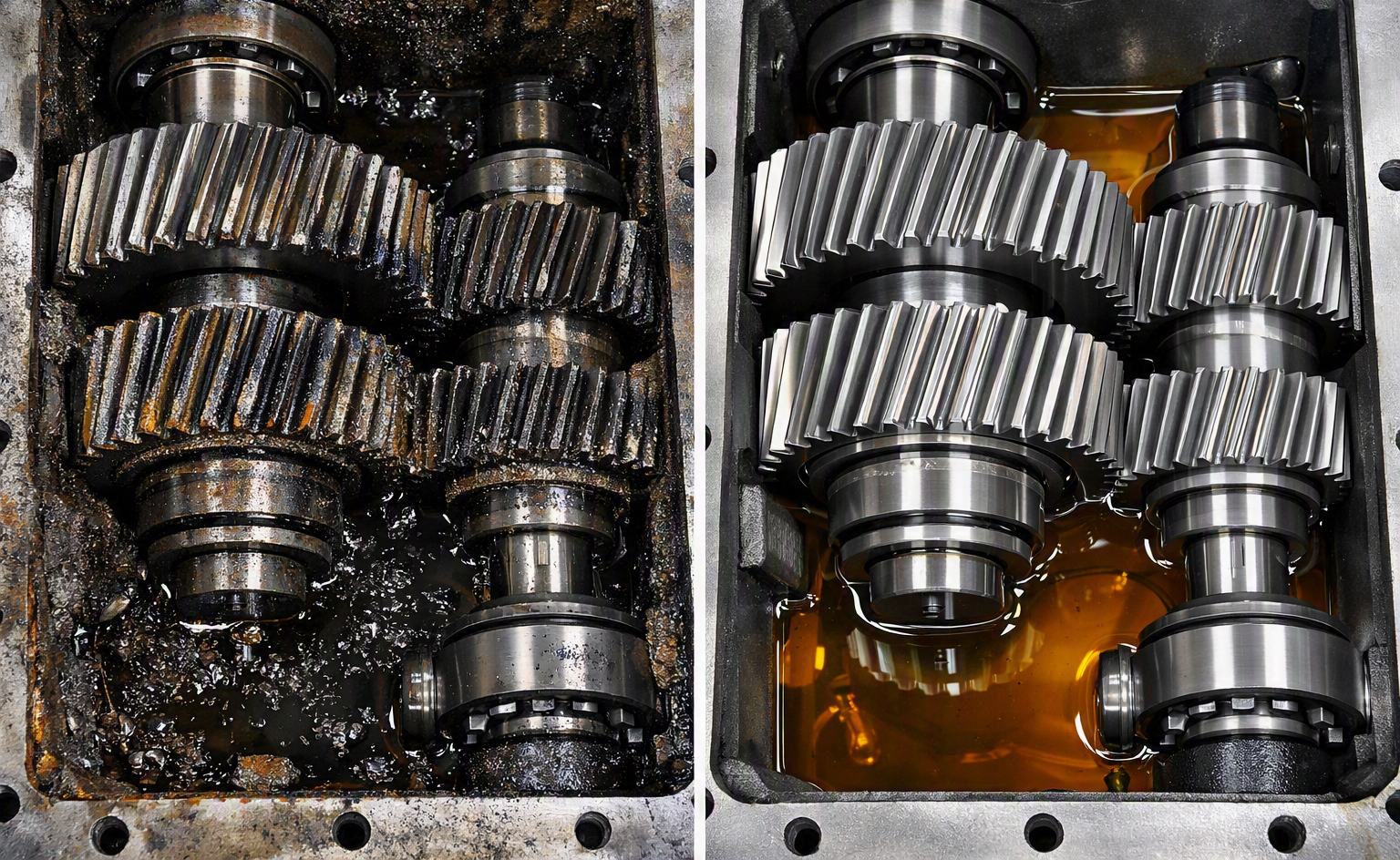
Inadequate lubrication is one of the most common causes of industrial gear failure. A single oversight in lubrication practice can lead to catastrophic downtime and expensive repairs. While many operators focus on the mechanical assembly, the fluid film protecting your gears is often the difference between a decade of service and a premature teardown.
We understand that selecting the right lubricant feels daunting when you're balancing high costs for synthetics against the risk of using an incorrect viscosity grade. It's frustrating to manage complex maintenance schedules only to face bearing failures, a leading source of gearbox breakdowns. Our goal is to simplify this process by showing you how to select, apply, and monitor your lubricants to maximize power transmission efficiency and prevent early failure.
This guide covers critical standards like ANSI/AGMA 9005-F16 and explains why monitoring operating temperatures between 140°F and 175°F (60°C and 79.4°C) is vital for oil longevity. We'll explore the shift toward high-performance synthetic lubricants and provide clear protocols for internal oil analysis. By the end of this article, you'll have a technical framework to lower your maintenance costs and extend the service life of every speed reducer in your facility.
Key Takeaways
- Identify the correct ISO Viscosity Grade (VG) based on your specific load and speed requirements to maintain a consistent protective film.
- Differentiate between the high-heat sliding friction of worm gears and the rolling action of helical gears to select the appropriate additive package for your equipment.
- Establish a "clean, cool, and dry" storage protocol and a rigorous inspection schedule to eliminate the primary sources of lubricant contamination.
- Master speed reducer lubrication best practices to significantly extend gearbox service life and optimize power transmission efficiency across your facility.
- Use our independent sourcing model to obtain OEM-specified lubricants for your global fleet, across brands.
Why Speed Reducer Lubrication is the Core of Operational Reliability
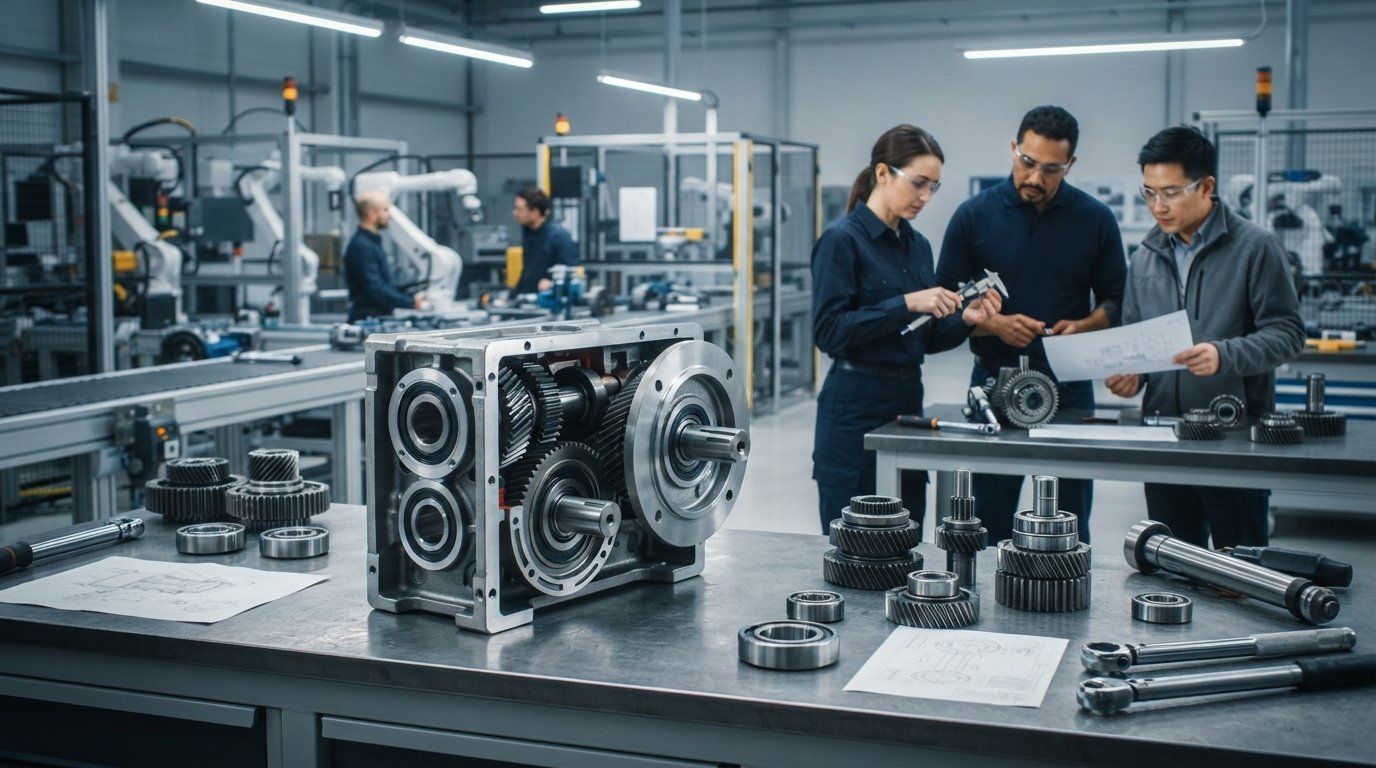
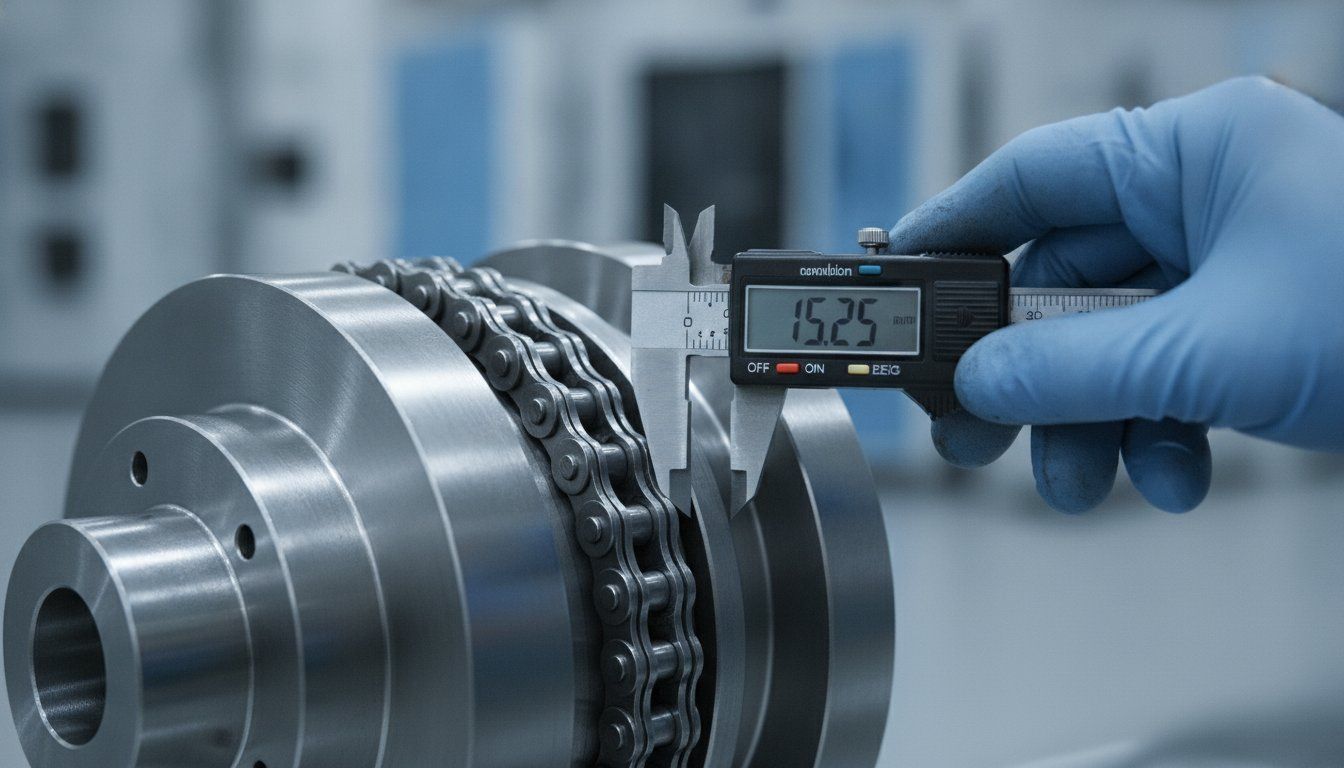
Speed reducers are fundamental mechanical assemblies that use specific gear sets to decrease the high input speed of an electric motor while increasing output torque. This Reduction drive mechanism enables heavy duty machinery to move significant loads with controlled precision. Lubrication serves as the primary defense against friction and heat in these industrial gearboxes. Without a consistent fluid film, the internal components would succumb to wear within hours of operation.
The Consequences of Lubrication Failure
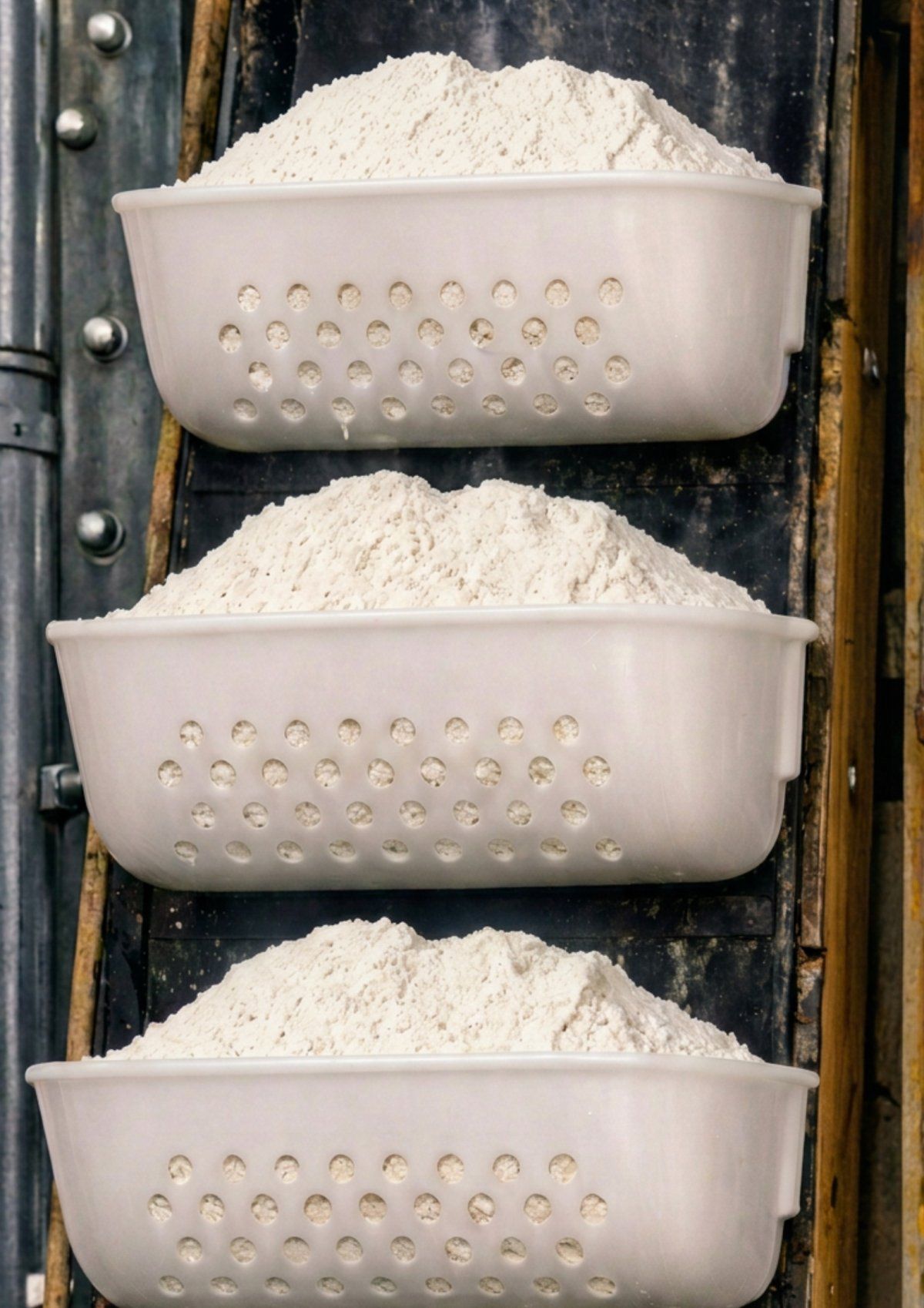
Lubrication failure often leads to a condition known as thermal runaway. As the oil film thins, friction increases, which raises the internal temperature. Operating temperatures above 200°F (93.3°C) cause rapid oil oxidation and additive depletion. This degradation results in surface fatigue, scuffing, and micropitting between the gear teeth. For operations utilizing high throughput conveyor systems, the resulting unplanned downtime creates a massive bottleneck that impacts the entire production cycle.
Our Independent Sourcing Philosophy
Our approach to MRO sourcing is defined by independent distribution experience since 1950. We aren't bound by brand specific agreements or sales quotas that limit your options. This independence allows us to source the exact gearing products and lubricants your specific environment requires. We use our global logistics network to support clients across six continents. We prioritize the robustness of your power transmission system over manufacturer alliances.
Selecting the Correct Lubricant: Viscosity, Additives, and Base Oils
Viscosity is the most critical property of any gear lubricant because it determines the thickness of the protective film between moving parts. We use the ISO Viscosity Grade (VG) system to classify oils based on their kinematic viscosity at 104°F (40°C). Selecting the right grade ensures that the oil is thick enough to prevent metal on metal contact under load but thin enough to flow and dissipate heat. Following speed reducer lubrication best practices requires balancing these physical properties against your specific machinery specifications.
The process of lubricant selection for industrial gearboxes involves analyzing your operational load and environment. We prioritize technical compatibility to ensure that the lubricant supports the mechanical integrity of the gear teeth. Improper selection often leads to increased friction and premature component degradation.
Understanding Viscosity and Temperature
Oil naturally thins as operating temperatures increase. If the lubricant becomes too thin, the protective film collapses, leading to scuffing and accelerated wear. For example, a gearbox operating at a standard ambient temperature of 70°F (21.1°C) requires a different ISO VG than one in a high heat environment. We evaluate the Viscosity Index (VI) to determine how well an oil maintains its thickness across temperature swings. A higher VI is essential for outdoor conveyor applications where seasonal changes impact the equipment.
The Role of Additive Packages
Additives enhance the performance of the base oil under specific stress conditions. We use Rust and Oxidation (R&O) oils for lightly loaded reducers where chemical stability is the priority. In contrast, Extreme Pressure (EP) additives are necessary for gearsets facing heavy shock loads. These chemicals react with metal surfaces to form a sacrificial protective layer that prevents welding and tearing. We warn against using certain sulfur phosphorus EP additives in gearboxes containing yellow metal components like bronze or brass, as they cause corrosive wear.
Synthetic vs. Mineral Gear Oils
Synthetic lubricants, such as Polyalphaolefin (PAO) and Polyalkylene Glycol (PAG), offer superior performance in extreme environments. They provide a wider temperature range and significantly longer drain intervals compared to mineral products. Mineral oils remain the more cost effective choice for standard duty cycles in controlled environments. We source both types to match your MRO budget and technical requirements. If you're unsure which base oil fits your fleet, you can consult our technical team for a specific recommendation.
Worm Gears vs. Helical Gears: Unique Lubrication Challenges
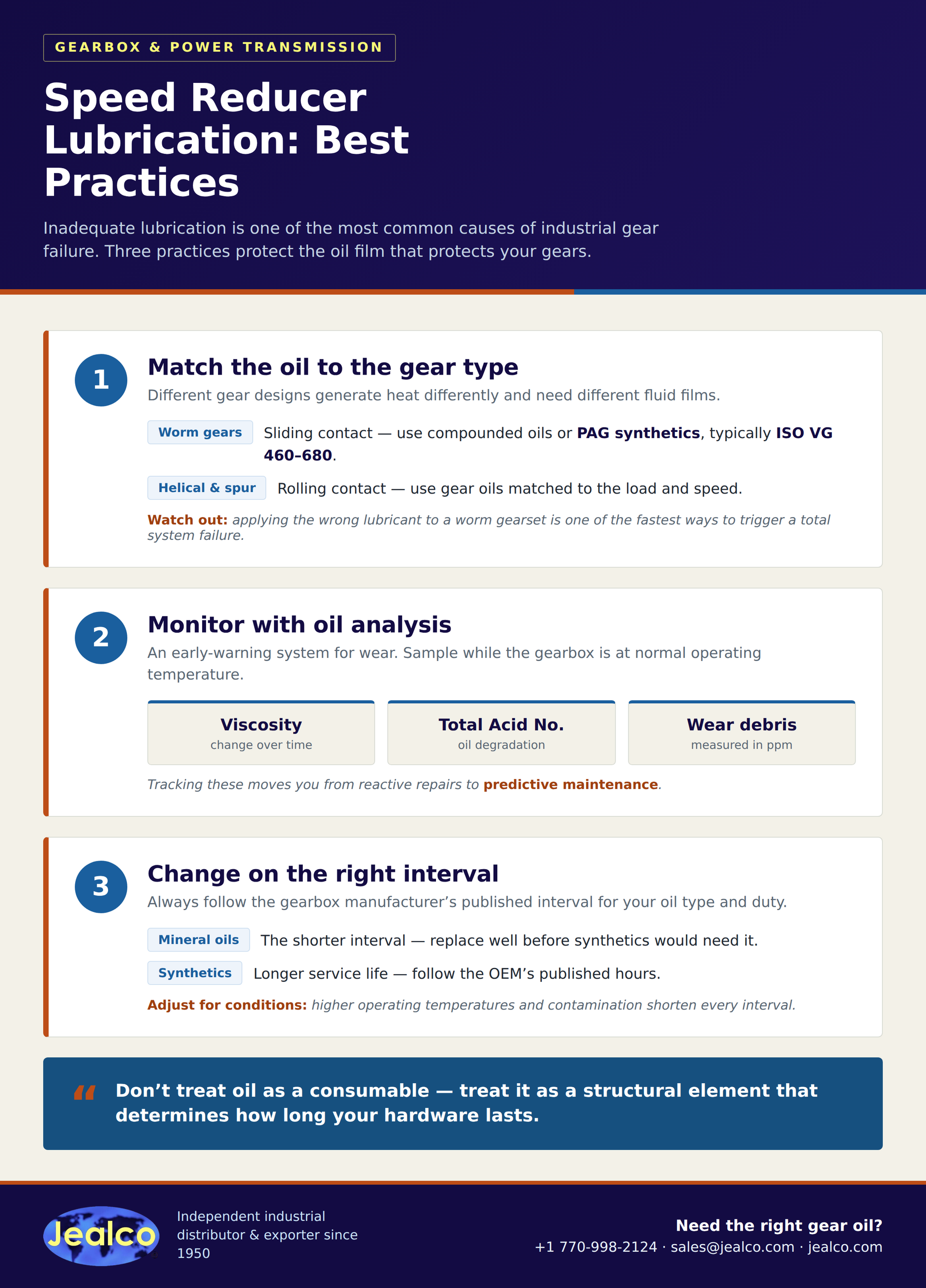
Different gear designs require distinct lubrication strategies to ensure operational reliability. Worm gears operate through a sliding action, whereas helical and spur gears utilize rolling contact. This fundamental difference in mechanics dictates the heat generation profile and the type of fluid film required to maintain speed reducer lubrication best practices. Applying the wrong lubricant to a worm gearset is one of the fastest ways to trigger a total system failure.
Sliding friction in worm gearsets generates significantly more heat than rolling contact. This thermal load demands specialized lubricants that can handle high pressure without breaking down. Most worm gears feature a bronze wheel paired with a steel worm. We must warn you that standard sulfur phosphorus Extreme Pressure (EP) additives can chemically attack these yellow metal components, leading to corrosive wear. We offer a wide range of gearing products for both configurations and provide consultative support to ensure your lubricant matches your specific gear metallurgy.
Because we operate as an independent distributor, we aren't restricted to a single oil brand. This allows us to prioritize the technical requirements of your hardware over manufacturer quotas. With export experience since 1950, we can supply the specific lubricants and components your OEM specifies, whether you operate in North America or elsewhere.
Lubricating Worm Gearsets for Efficiency
For worm drives, we typically recommend compounded oils or specialized Polyalkylene Glycol (PAG) synthetics. These lubricants offer the high viscosity, often ISO VG 460 or 680, needed to support the sliding motion. The right lubricant improves the mechanical efficiency of a worm reducer by reducing internal drag and heat. This efficiency gain directly lowers energy costs and reduces the thermal stress on your motor.
Helical and Spur Gear Lubrication
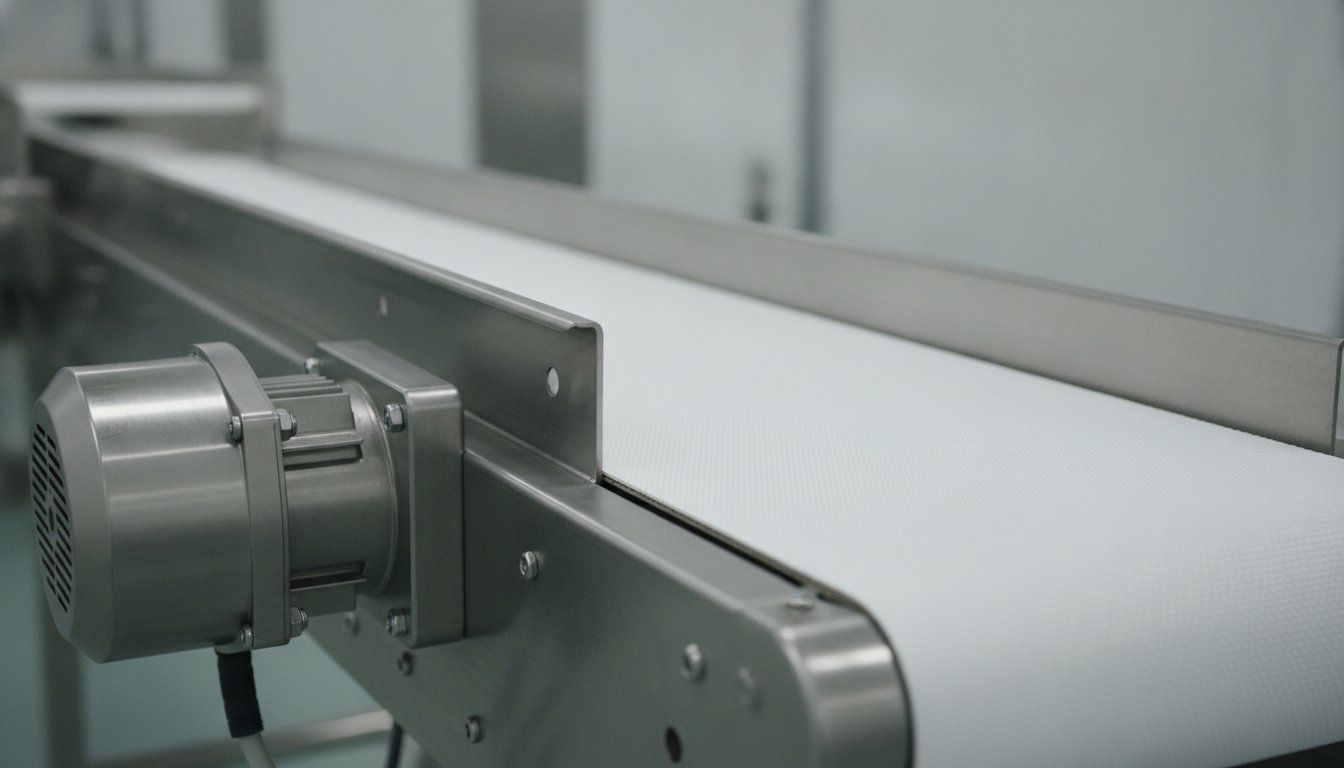
Standard mineral based EP gear oils are often sufficient for helical and spur gears because they generate lower heat levels through rolling contact. You'll frequently find helical reducers integrated into our belt conveyors systems, where they provide reliable torque for high throughput operations. Whether your system moves 100 lb / 45.4 kg or several tons, matching the lubricant to the gear geometry is essential for longevity. We ensure that every component we source is paired with the correct technical guidance for your specific load profile.
Actionable Maintenance Routine: A Step-by-Step Guide
We believe a standardized maintenance schedule is the only way to ensure gearbox longevity. A clean, cool, and dry storage environment for your lubricants prevents contamination before the oil even reaches the machine. We support these routines by providing high-quality replacement parts and MRO supplies to keep your fleet operational. Monitoring oil levels daily allows you to identify weeping seals before they turn into catastrophic leaks.
Establishing an Oil Analysis Program
Oil analysis serves as an internal early warning system for your equipment. We recommend taking representative samples while the gearbox is at normal operating temperature to ensure wear particles are suspended. You should track three key metrics: viscosity change, total acid number, and wear debris measured in parts per million (ppm). These data points help you transition from reactive repairs to predictive maintenance. Consistent oil sampling catches wear early and can extend the time between major overhauls.
Breather and Seal Maintenance
Contamination is the second most common cause of gear failure. We utilize desiccant breathers as the first line of defense against moisture and particulate ingress. Even a tiny 5-micron (0.0002-inch) particle can cause significant abrasive wear on precision gear teeth. You must also inspect shaft seals for hardening or weeping to prevent the lubricant from escaping the housing. Clean storage is mandatory.
Optimal Filling and Drainage Procedures
Implementing a complete oil flush removes sludge and residual contaminants that standard draining leaves behind. You must avoid overfilling the housing, as this causes oil churning and aeration that leads to excessive heat. We recommend installing sight glasses for immediate visual confirmation of the oil level. Precision matters here.
Following these speed reducer lubrication best practices ensures your power transmission system remains efficient. If you need to source specialized MRO supplies or components for your maintenance program, contact our technical team today for expert procurement support. We handle global logistics across six continents to keep your facility running smoothly.
Global Sourcing and Logistics: The Jealco International, Inc. Advantage
Implementing speed reducer lubrication best practices requires a procurement strategy that prioritizes technical compatibility over brand loyalty. Our independence from specific manufacturer agreements at Jealco International, Inc. allows us to source the exact lubricant your OEM specifies. We don't push high-volume house brands that might compromise your gearbox longevity; instead, we prioritize the technical integrity of your power transmission system. This flexibility ensures that you aren't forced into "one size fits all" solutions that fail to account for specific load factors or environmental stressors.
Our commitment to an "education first, sell second" philosophy ensures you receive the most robust solution for your application. We view ourselves as a strategic partner rather than a mere vendor, understanding that mid-market operations require expert guidance to navigate complex technical specifications. We focus on long term reliability rather than immediate sales volume.
Navigating International MRO Procurement
Sourcing specialized gear oils in remote international locations presents significant logistical hurdles that can stall production. We use our export experience since 1950 to manage complex documentation and customs requirements for clients on six continents. We often bundle these critical lubricants with electric motors and other gearing components to reduce your total landed cost. Whether you're shipping a 500 lb / 226.8 kg gearbox or a small pallet of synthetic oil, we ensure your MRO supplies arrive without delay or supply chain constraints.
Consultative Sourcing for Mid-Market Success
We distinguish ourselves from large national distributors by offering a consultative approach tailored to your specific facility. Our technical team works directly with your procurement team to optimize your spare parts inventory and lubrication protocols. This collaboration helps you avoid the "supermarket" approach where technical support is often non-existent or limited to a catalog number. We invite you to leverage our deep technical expertise for your next material handling or conveyor project to ensure maximum operational reliability and reduced total cost of ownership.
Strategic Lubrication for Long-Term Operational Success
Strategic management of your power transmission system relies on more than just high-quality hardware. It requires a commitment to speed reducer lubrication best practices that prioritize technical compatibility over brand loyalty. By mastering viscosity selection and implementing rigorous oil analysis, you protect your facility from the high costs of unplanned downtime and premature gear failure. These protocols transform maintenance from a reactive burden into a predictable, value-driven process.
We remain dedicated to providing the specialized components and technical guidance your operation needs to succeed. As a family-owned distributor since 1950, we solve procurement challenges across six continents. As an independent distributor, we source the exact lubricants and gearing products your OEM specifies across manufacturers.
We're ready to help you optimize your next material handling project with robust, reliable solutions. Contact our technical team for a consultative sourcing quote on speed reducers and lubricants. Let's work together to ensure your equipment delivers maximum performance for its entire service life.
Frequently Asked Questions
How often should I change the oil in my speed reducer?
Standard mineral oils are typically replaced on a much shorter interval than synthetics — check what your gearbox manufacturer publishes. High-performance synthetics can extend this interval; follow the gearbox manufacturer's published interval for your oil type and duty. You must adjust these intervals based on operating temperatures and environmental contamination levels. We recommend using oil analysis to determine the precise remaining useful life of the lubricant and to establish speed reducer lubrication best practices for your specific facility.
Can I mix different brands of gear oil if they have the same ISO VG?
You should avoid mixing different brands of gear oil even if they share the same ISO Viscosity Grade. Different manufacturers utilize unique additive packages that may be chemically incompatible with one another. Mixing can lead to additive dropout, reduced load carrying capacity, or the formation of harmful sludge. If you must switch brands, we recommend a full system flush to ensure optimal performance and protection for your internal components.
What is the difference between EP and R&O gear oils?
Extreme Pressure (EP) oils contain sulfur phosphorus additives that form a sacrificial layer to protect gear teeth under heavy shock loads. Rust and Oxidation (R&O) oils are designed for lighter loads where chemical stability and corrosion protection are the primary concerns. You must never use EP oils in gearboxes with yellow metal components like bronze. Selecting the right additive package is essential for maintaining the mechanical integrity of your gearset.
Why is my gearbox running hot even though it has plenty of oil?
Excessive heat often results from overfilling the housing, which causes oil churning and aeration. This process increases internal friction and prevents efficient heat dissipation. Other causes include using a lubricant with an incorrectly high viscosity or a mechanical misalignment within the assembly. You should monitor your operating temperatures to ensure they stay between 140°F and 175°F (60°C and 79.4°C) to prevent rapid oil oxidation and component wear.
Should I use synthetic oil in an older speed reducer?
You can use synthetic oil in older reducers, but you must first verify seal compatibility. Older seals made of nitrile or certain elastomers may shrink or leak when exposed to specific synthetic base oils. Synthetics offer superior thermal stability and better flow in extreme cold environments. We recommend a consultative review of your equipment's seal materials before upgrading to a high performance synthetic lubricant to ensure a leak free transition.
How do I know if my worm gear lubricant is compatible with bronze components?
You must check the lubricant's technical data sheet for yellow metal compatibility or non-corrosive ratings. Standard sulfur phosphorus EP additives are aggressive toward bronze and will cause rapid material loss through chemical attack. We typically recommend compounded mineral oils or PAG synthetics that are specifically formulated for worm gear metallurgy. Proper selection prevents the premature failure of the bronze wheel and ensures efficient power transmission in sliding contact applications.
What are the signs of moisture contamination in my gear oil?
A cloudy or milky appearance in the oil is the most common visual indicator of moisture contamination. You might also observe rust on the internal housing surfaces or a significant increase in the lubricant's viscosity during inspections. Water ingress reduces the load carrying capacity of the oil film and accelerates bearing wear. We utilize desiccant breathers to prevent moisture from entering the system during thermal cycling in humid or outdoor environments.
Does Jealco International, Inc. provide international shipping for small MRO orders?
Yes, we provide global logistics support across six continents for orders of all sizes. We use our export experience since 1950 to manage complex customs documentation for every shipment. Whether you need a single gearset or a small pallet of oil, we ensure reliable delivery to your facility.
Need parts or a quote?
Jealco has supplied industrial equipment and parts since 1950, in the U.S. and for export worldwide. Send us your part number, size or application and we'll quote it.
Prefer to talk? Call +1 770-998-2124. Hablamos español.
Recent Posts