Food Grade Elevator Bucket Material Selection Guide: Choosing for Safety and Speed
A single plastic chip can halt a production run instantly. We know you balance high speed with strict food safety. It's frustrating when buckets crack or complicate sanitation. That's why we've created this food grade elevator bucket material selection guide.
We'll show you how to pick perfect FDA-compliant materials. This ensures high efficiency and food safety. Choosing the wrong material leads to high replacement costs.
Component failure is a major source of downtime. We want to help you reduce maintenance and ensure easy sanitation. We've spent years refining our technical approach at Jealco.
This guide breaks down the best options for your environment. You'll learn which polymers withstand extreme temperatures. We provide the technical data you need for long-term success.
Key Takeaways
- Learn why FDA compliance is the essential baseline for food safety.
- We compare lightweight plastics against heavy-duty stainless steel for extreme heat.
- Follow our food grade elevator bucket material selection guide to simplify buying.
- Discover how monthly inspections prevent wear and keep your line safe.
- We show you which materials reduce strain on your conveyor belting.
Why Material Choice is Your Top Priority in Food Handling
Many plants struggle with the wrong bucket materials. It's a common mistake that leads to downtime. This food grade elevator bucket material selection guide helps you avoid those errors. Choosing the right material is the first step toward a safe facility. The wrong choice can ruin production schedules.
Material choice affects your hardware more than you think. Heavy buckets increase belt tension significantly. This forces your motor to work much harder. Excess bucket weight adds load on the drive and shortens motor life. A standard Bucket elevator relies on perfect balance. Lighter, food-safe polymers reduce that load.
The biggest risk is product contamination. The wrong materials can crack or shed small particles. These particles end up in your final product. This leads to costly recalls that damage your brand. In 2022, the FDA reported hundreds of recalls due to foreign objects. Most of these issues start with poor material selection on the production line.
Understanding FDA and USDA Compliance
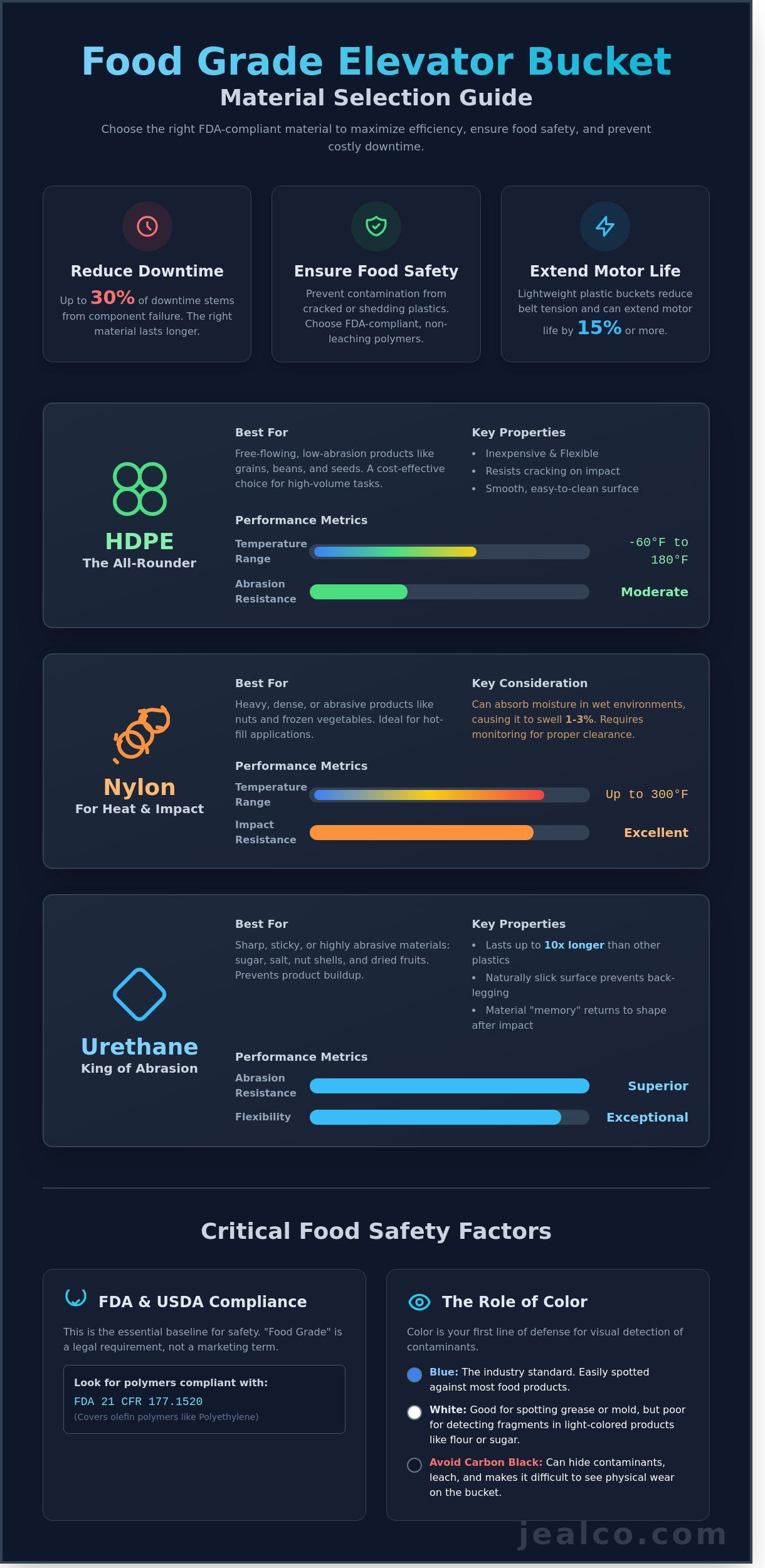
FDA and USDA compliance is the absolute baseline for safety. "Food Grade" isn't just a marketing term. It's a legal requirement for polymers. We always look for 21 CFR 177.1520 standards. This regulation covers olefin polymers like polyethylene and polypropylene. These materials don't leach chemicals into your food. We also recommend checking for 3-A Sanitary Standards. These ensure the bucket design is easy to clean. You can find compliant options in our range of elevator buckets.
The Role of Color in Food Safety
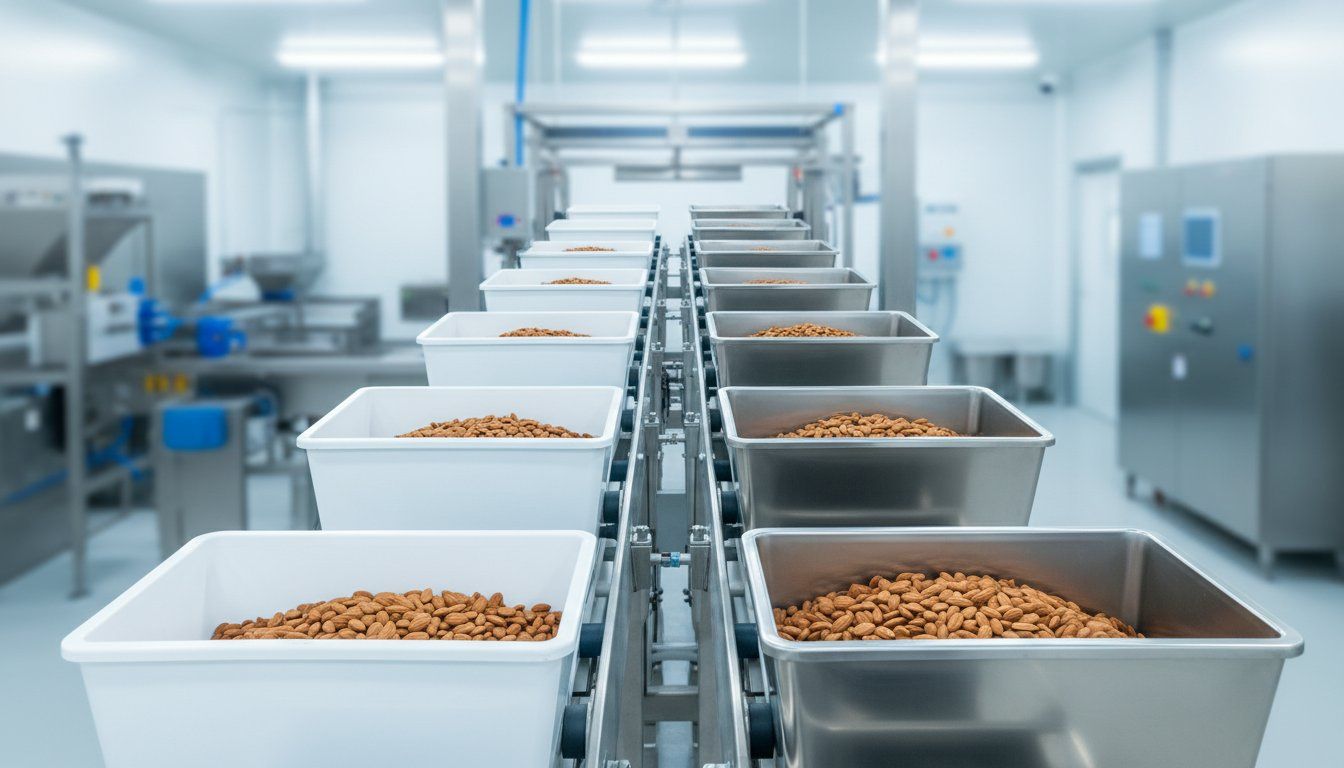
Color is your first line of defense. Blue is now the industry standard for visual detection. Most food products aren't naturally blue. If a blue plastic fragment falls into the mix, workers see it instantly. White buckets are still very common. They're great for spotting grease or mold. However, they don't show plastic fragments well in flour or sugar.
We always advise clients to avoid carbon black in their plastics. Carbon black can leach or hide contaminants. It makes it harder to see physical wear on the bucket. Stick to virgin resins with food-safe pigments for the best results. This ensures your line stays clean and your product stays pure.
We want to help you optimize your production line. Choosing the right material is just the beginning. If you have questions about your specific application, reach out to us. We offer professional guidance to keep your plant running smoothly.
Visit us at https://www.jealco.com for more technical insights.
Plastic Bucket Materials: HDPE, Nylon, and Urethane
We choose plastic for many food processing lines. It is lightweight. This reduces the load on your light-duty conveyor belting. Lighter components mean less energy consumption for your motors. Plastic is often the most cost-effective solution. It offers a lower initial price point than stainless steel.
Noise reduction is another huge benefit. Plastic buckets strike the casing with less sound than steel. This creates a safer work environment for your team. Modern resins meet strict FDA regulations for food-contact polymers. These materials handle varied temperatures without losing structural integrity. They provide a robust solution for diverse food environments.
High-Density Polyethylene (HDPE): The All-Rounder
HDPE is the standard for free-flowing products. We recommend it for grains, beans, and seeds. It works in temperatures from -60°F to 180°F (-51°C to 82°C). This material is inexpensive and flexible. It resists cracking during high-speed impacts at the discharge point. You will find it very easy to clean due to its smooth surface. This makes it a core part of any food grade elevator bucket material selection guide . It is a reliable choice for high-volume, low-abrasion tasks.
Nylon: For Heat and Impact
We suggest Nylon for heavy or abrasive food items. It handles hot-fill applications up to 300°F (149°C). This is 120°F higher than standard HDPE capacity. Nylon is exceptionally tough. It withstands rough handling of dense products like nuts or frozen vegetables. Be careful in wet environments. Nylon can absorb moisture over time. Some nylons absorb moisture and swell slightly. We monitor this closely in steam-heavy facilities to ensure proper clearance.
Urethane: The King of Abrasion Resistance
Use urethane for sharp or highly abrasive food products. It is the best choice for sugar, salt, or nut shells. Urethane has a naturally slick surface. This is perfect for "sticky" foods like dried fruits or wet corn. It prevents product buildup and "back-legging" in the elevator. You can check out our elevator buckets for specific urethane options. Urethane usually outlasts other plastics in high-wear zones. It has a "memory" that allows it to return to its original shape after impact.
Selecting the right resin ensures your line stays efficient. If you need help with your food grade elevator bucket material selection guide , we are here. Contact our technical team for a full system audit at Jealco.
Metal Bucket Options: When Only Stainless Will Do
We rely on metal for heavy-duty food processing. It handles the toughest industrial environments. Metal buckets offer durability that plastic simply cannot match. This is a vital part of any food grade elevator bucket material selection guide .
Metal excels in extreme heat. It manages temperatures exceeding 250°F (121°C). Plastic resins often warp or melt at these levels. We recommend metal for high-heat cooking or drying lines. These buckets maintain their shape under constant thermal stress.
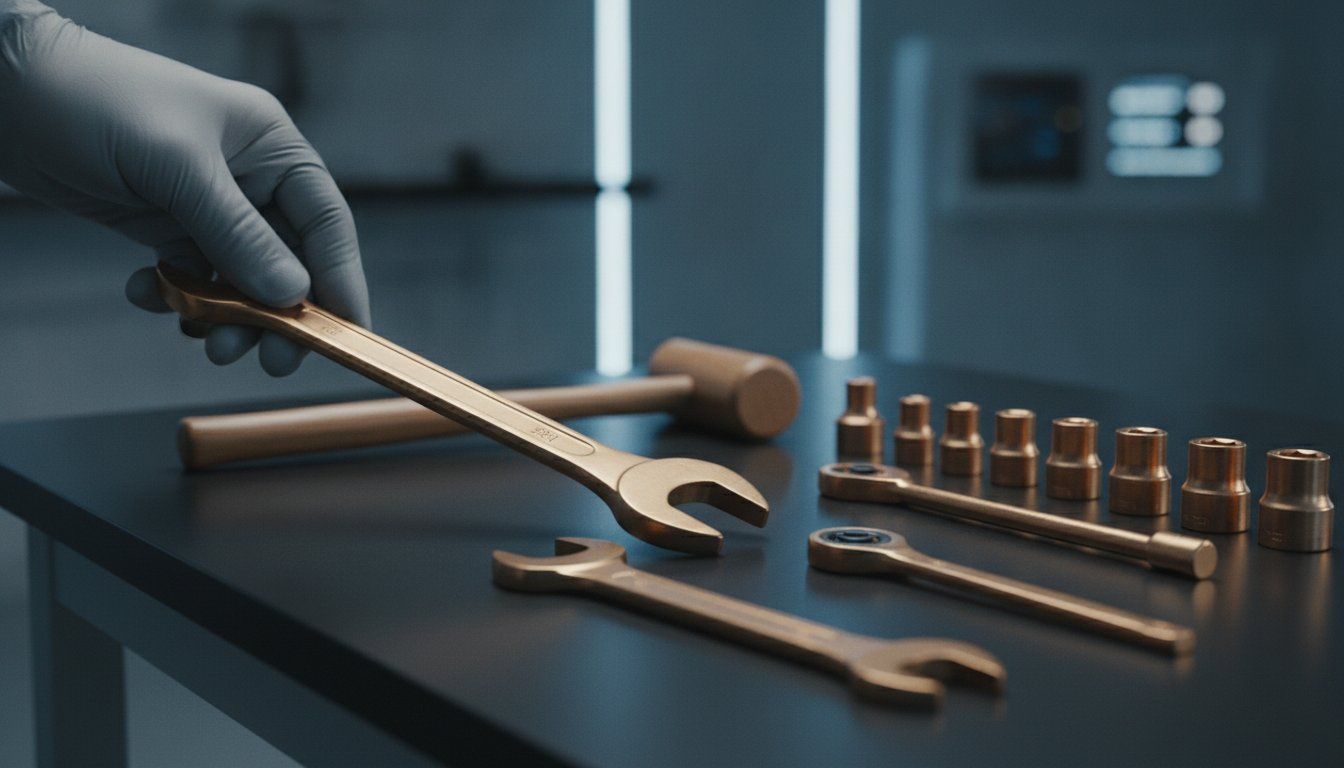
Safety is another major factor. Metal buckets work perfectly with magnetic detection systems. If a bucket breaks, sensors catch the fragments. This prevents dangerous product recalls. This is common in high-capacity nut or sugar plants. While we focus on metal here, we also monitor FDA regulations for food-contact polymers for our plastic components. Metal provides a level of security that gives plant managers peace of mind.
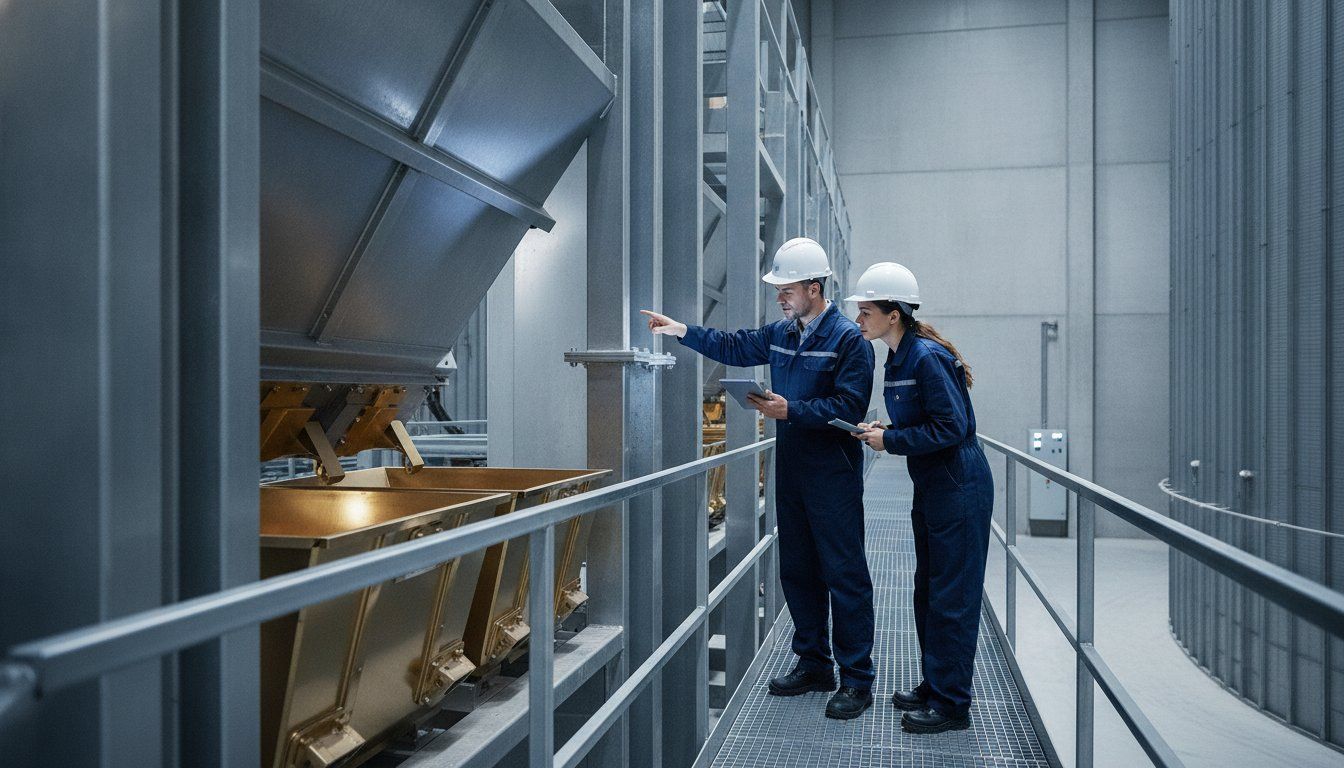
In sugar refineries, abrasive crystals wear down softer materials. Metal buckets withstand this friction for years. These suit high-capacity facilities. The robust nature of steel ensures consistent output during peak production times.
304 Stainless Steel vs. 316 Stainless Steel
We use 304 stainless steel for most food applications. It is the industry standard. It resists corrosion from water and mild cleaners. It provides a clean, professional finish for your facility. Most dry processing plants find 304 perfectly sufficient for their needs.
We suggest 316 stainless steel for harsher environments. This alloy contains molybdenum. It resists high-salt or high-acid products. Think of pickling plants or salty snack lines. You will notice a price jump for 316. This cost reflects the superior chemical resistance. It is a necessary investment for long-term reliability in corrosive settings.
Carbon Steel: The Budget Metal Option
Carbon steel is a budget-friendly choice. We only suggest it for dry, non-corrosive products. It works well for items like whole grains or beans. You must use food-grade coatings or zinc plating with this material. This prevents the raw steel from touching the food directly.
Without proper protection, carbon steel will rust quickly. We generally recommend stainless steel for better longevity. It saves money on replacements over time. Stainless steel avoids the risk of coating flakes entering the food stream. Check our full range of elevator buckets to compare these metal options. Choosing the right metal is the first step in a successful food grade elevator bucket material selection guide strategy.
Do you have questions about which metal fits your heat requirements? Reach out to us today for a technical consultation. We can help you find the best fit for your specific machinery. Visit us at https://www.jealco.com to learn more.
The Selection Framework: Matching Material to Food Type
We created this framework to simplify your buying process. Choosing the right bucket isn't just about dimensions. It's about how your specific product interacts with the material surface. Always look at the "flowability" of your product first. This determines how quickly the bucket fills and empties.
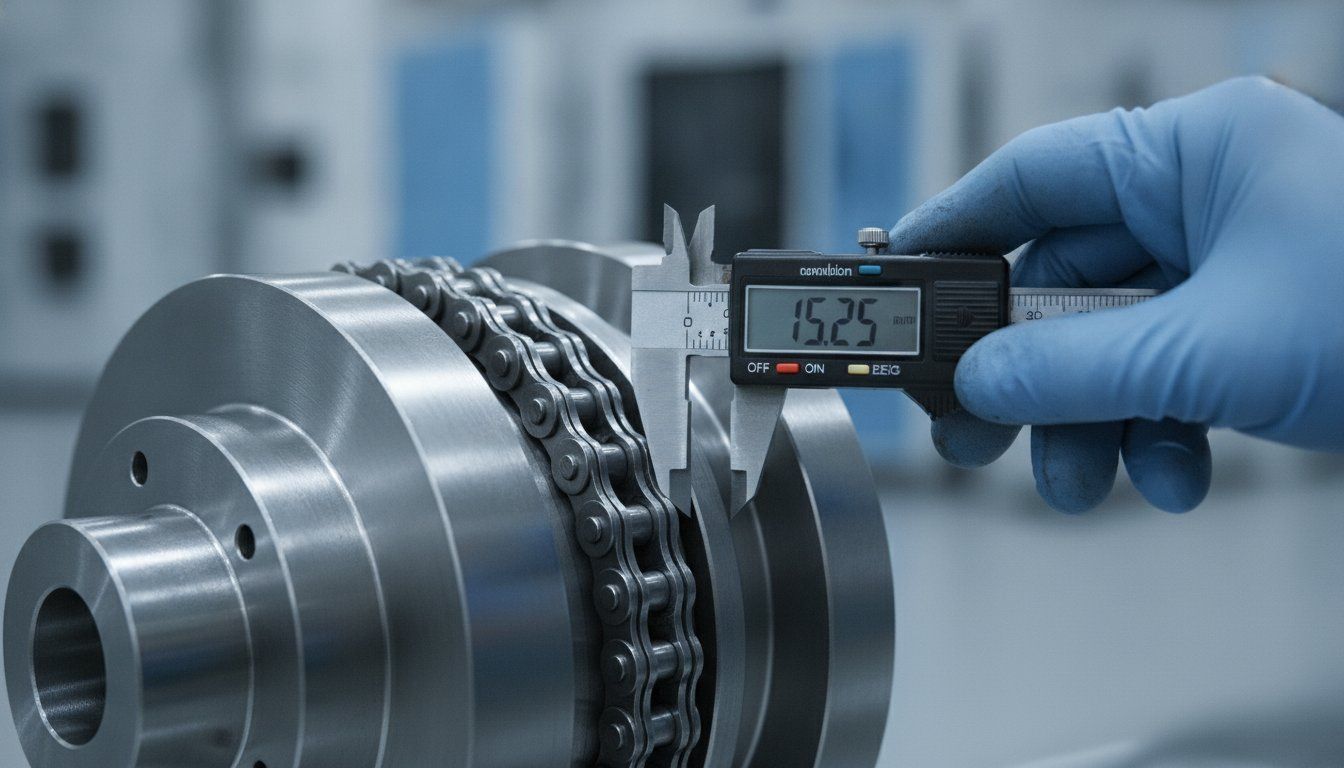
Think about the moisture content and fat levels in your food items. High fat levels, common in processed snacks, cause sticking. You should also measure your chain or pulleys before upgrading to heavier buckets. A switch from plastic to stainless steel can significantly increase the total weight load on your drive system.
This food grade elevator bucket material selection guide helps you avoid costly downtime. We focus on matching the chemical and physical properties of the bucket to your daily operations. Proper selection ensures your system runs at peak efficiency without contaminating the food supply.
Dry and Granular Products (Rice, Salt, Sugar)
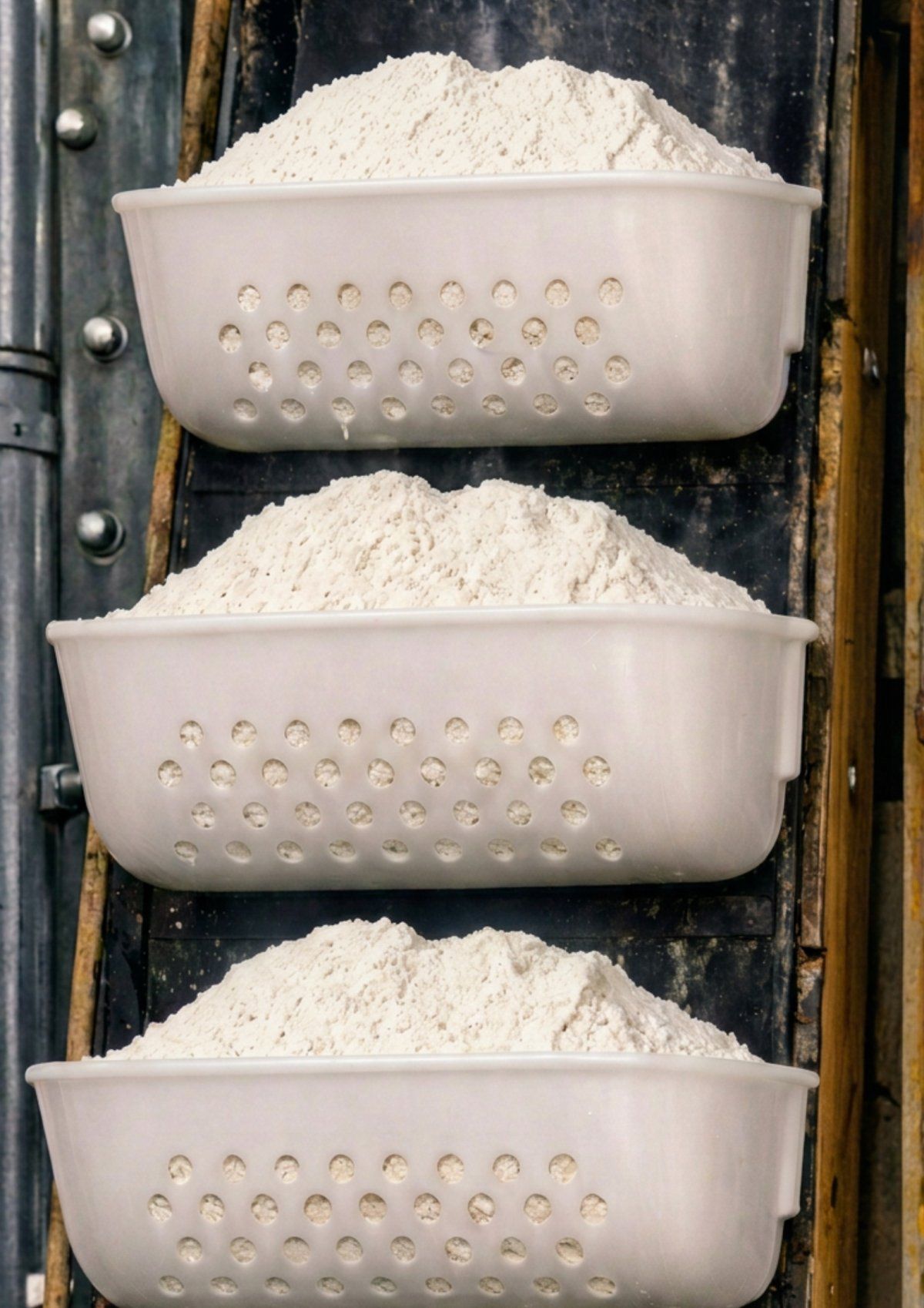
For dry grains and sugars, we recommend High Density Polyethylene (HDPE). It is the most cost-effective option for high-volume runs. HDPE provides an easy discharge because the surface is naturally slick. This prevents "bridging" where the product gets stuck in the bottom of the bucket.
We suggest 304 Stainless Steel if your line requires magnetic detection. Many industrial food plants use these detectors to catch any metal fragments before packaging. You should also avoid materials that create static electricity. Static causes fine powders, like salt or flour, to cling to the bucket walls. This leads to inaccurate weights and product waste.
Wet, Oily, or Frozen Foods
Oily foods are notoriously difficult to handle. Urethane is often the best material for preventing "hang-up" of greasy items. It has a high resistance to fats and keeps the product moving smoothly. For frozen goods like peas or corn at -18°C (0°F), HDPE works exceptionally well. It stays flexible and won't crack under extreme cold.
Sanitation is critical in these environments. Ensure all your mounting hardware is also made of stainless steel. This prevents rust from forming during frequent high-pressure washdowns. Carbon steel bolts can fail quickly in wet environments.
Abrasive and High-Impact Items (Nuts, Shells)
Nylon or Stainless Steel are the winners for abrasive products. Items like walnut shells or coffee beans act like sandpaper on softer plastics. Nylon is extremely tough and resists wearing down over time. It can handle the constant "digging" into the boot section of the elevator.
The boot is where the bucket scoops up the product. If your buckets are moving at 2.5 meters per second (approx. 500 feet per minute), the impact is significant. Stainless steel offers the highest impact resistance for these heavy-duty applications. It maintains its shape even after thousands of cycles through the boot.
Ready to upgrade your system? View our high-performance elevator buckets to see which material fits your needs.
Maintenance and Replacement: Keeping Your Line Safe
Even the best components eventually wear out in high-speed environments. Constant friction and heavy loads take a toll on your hardware. We recommend a monthly inspection of your elevator buckets to ensure everything runs safely. This routine check prevents small issues from becoming expensive disasters. A short walk-through can save hours of lost production time later.
During your inspection, look for rounding of the front lip. This wear reduces the volume each bucket can carry. You should also search for hairline cracks near the mounting bolts. These cracks often appear first in high-stress areas. Keep a stock of spare buckets on hand. Having parts ready avoids emergency downtime when a failure occurs. Our team believes that being proactive is the only way to maintain a reliable line.
Sanitation Protocols for Different Materials
Cleaning methods must match your specific bucket material. When you washdown plastic buckets, keep water pressure below 60 PSI (4.1 bar). High pressure can cause micro-stress cracks in polyethylene or nylon. We suggest using warm water instead of extreme heat for polymers. Metal buckets handle steam cleaning much better. You can safely use temperatures of 212°F (100°C) for full sterilization on stainless steel. Always check your chemical compatibility before applying new cleaners. Some alkaline detergents can degrade food-grade resins over time. This food grade elevator bucket material selection guide helps you choose materials that withstand your specific cleaning chemicals.
When to Replace Your Buckets
Replace based on measured wear. Replace a bucket when wear noticeably reduces its carrying capacity. This loss usually happens because the leading edge has worn down. In plastic buckets, check for bolt hole elongation. If the hole has stretched by more than 3mm (0.12 inches), the bucket is no longer secure. Loose buckets can detach and damage your conveyor belt or drive motors. You can browse our online catalog for immediate replacements. We provide components that align with every food grade elevator bucket material selection guide standard. Our technical experts are always ready to help you identify the right parts for your specific machinery.
Maintaining your equipment is about more than just speed. It is about protecting your product and your staff. We take pride in offering solutions that last longer and perform better under pressure. If you need help evaluating your current setup, we are here to assist. Contact us today to discuss your maintenance schedule or to order high-quality replacement parts.
Join our community for more technical insights and industry updates at https://www.jealco.com.
Optimize Your Food Handling Efficiency Today
Choosing the right bucket isn't just about moving product. It's about protecting your brand and your bottom line. HDPE handles most standard food applications. However, stainless steel is your only choice for temperatures exceeding 121°C (250°F). This food grade elevator bucket material selection guide simplifies your technical choice.
We focus on durability because we know downtime costs money. Our team has been distributing industrial components since 1950. We bring family-owned experience since 1950 to every project. We provide expert technical support for complex food-grade systems. This keeps your facility compliant and fast. Our experts understand the nuances of Nylon and Urethane for abrasive materials.
Don't let the wrong material choice slow your production. We're here to ensure your facility runs at peak performance. Need help choosing? Contact our experts or shop our elevator buckets here!
We're ready to help you build a safer, faster production line today.
Frequently Asked Questions
Are all plastic elevator buckets FDA compliant?
No, only buckets made from virgin resins like HDPE or Nylon meet FDA 21 CFR 177.1520 standards. We verify that every bucket carries a certificate of compliance. Recycled plastics often contain contaminants that violate safety codes. You must check the material certification before installation. This ensures your food grade elevator bucket material selection guide stays accurate for audits.
How do I know if I need 304 or 316 stainless steel?
Use 316 stainless steel for salty or corrosive products; 304 stainless steel works for most dry food applications. However, 316 contains 2% molybdenum to prevent pitting. We recommend 316 for seafood processing to ensure a long lifespan. It resists corrosion better in high-acid environments.
Can I mix plastic and metal buckets on the same belt?
Yes, you can mix them to balance weight and durability. A common practice is to mix in a detectable or metal bucket at a regular interval. This metal bucket acts as a scraper. It helps clear debris from the boot section. Just ensure the mounting holes match exactly. This setup keeps the system light and strong.
What is the best material for high-temperature food processing?
Glass-reinforced Nylon handles temperatures up to 300°F (148°C) effectively. If your process exceeds 400°F (204°C), you must use 304 stainless steel. Plastic buckets will warp or melt at these extreme ranges. We select materials based on your specific thermal profile. This is a vital part of a food grade elevator bucket material selection guide .
Why are many food-grade buckets colored blue?
Blue is the industry standard for optical detection, because very few natural foods are blue. If a bucket piece breaks, sensors spot it instantly. This prevents physical contamination in the final package. It's a simple way to boost your safety protocols. I always suggest blue for high-speed lines.
How does bucket material affect the total weight of my conveyor?
Plastic buckets weigh much less than steel versions. A 10x6 inch HDPE bucket weighs 1.5 lbs (0.68 kg). The steel version weighs 7.2 lbs (3.26 kg). This light weight saves energy. It lets you use smaller motors. You'll see lower power bills every month.
Can I use carbon steel for food if it is painted?
No, we don't recommend painted carbon steel for direct food contact. Paint can chip and flake into the product over time. These flakes become physical contaminants in your product. Use stainless steel or FDA-approved polymers instead. It's the only way to guarantee long-term compliance. Safety is our top priority.
For expert advice on your industrial machinery, visit https://www.jealco.com.
Need parts or a quote?
Jealco has supplied industrial equipment and parts since 1950, in the U.S. and for export worldwide. Send us your part number, size or application and we'll quote it.
Prefer to talk? Call +1 770-998-2124. Hablamos español.